14 Best Filmora Alternatives for Android in 2026: In-Depth Comparison with Stats, AI Features & How-Tos

If you’re looking for Filmora alternatives on Android, you’re probably running into watermark limits or subscription costs on the free version. The best choice really depends on what matters most to you.
Some apps shine for fast social videos with lots of templates. Others focus on clean exports without watermarks or give you a one-time purchase option for pro-level tools.
In this list, we compare 14 Filmora alternative options available for Android using the latest data from Google Play data, review volumes, and official details. So you get current stats, AI features, what users actually report about performance, and practical tips that fit real workflows.
Quick Overview of the Top Filmora Alternatives
Here’s a side-by-side look at the main options so you can see the big picture at a glance.
| App | Rating | Downloads | Pricing Model | Watermark on Free | Best For |
|---|---|---|---|---|---|
| InShot | 4.8 stars | 500M+ | Ads + in-app purchases | Yes (often removable) | Social clips and quick collages |
| VN Video Editor | 4.7 stars | 100M+ | Free with ads, optional Pro | No | Timeline work without watermarks |
| PowerDirector | 4.3 stars | 100M+ | Ads + Premium options | Varies by plan | AI effects and fast edits |
| LumaFusion | 4.1 stars | 50K+ | One-time $29.99 purchase | No | Pro multi-track editing |
| Filmora (reference) | 4.2 stars | 100M+ | Free with Pro subscription | Yes | AI tools and cross-platform sync |
Filmora Android in 2026: The Baseline for Comparison
Filmora offers solid AI features on Android, including text-to-video generation, auto-captions, object removal, and template editing. Also, multi-track timelines and keyframing are available, and you also get project sync with the desktop version if you use both.
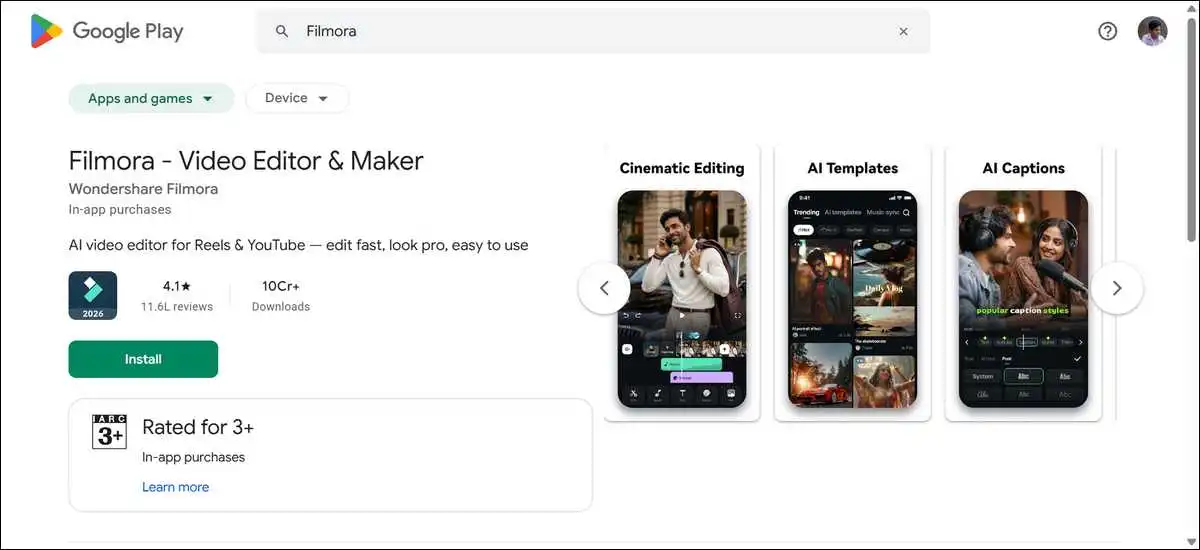
As we write this article (18 June 2026), this application already scores 4.2 stars from 1.16 million reviews with over 100 million downloads. The last major update arrived on June 12. Free exports include a watermark, while a Pro subscription removes it and unlocks more assets plus AI credits.
You’ll see that many users get good results with short social videos. That said, some report occasional crashes during longer edits or when they lean heavily on the AI tools. The free tier also restricts access to assets and can, in practice, limit export quality.
How These Alternatives Were Evaluated
We evaluated these apps using a transparent, data-driven approach to give you reliable information.
Data Sources
- Official Google Play Store data (June 2026)
- App ratings & review volumes
- Last update dates & feature lists
Review Analysis
- Aggregated feedback from millions of users
- Common praises and complaints
- Real-world performance reports
Expert Cross-Check
- PCMag mobile editing roundups (2026)
- Other reputable tech sources
- Official app documentation
Transparency Note: All statistics and observations reflect data available as of June 18, 2026. App interfaces and features can change with updates. Performance can vary depending on your Android device and version.
No single app suits everyone. Some users are fine with ads or subscriptions if they get advanced tools in return. Others just want zero watermarks and stable free use.
Also read:
Here’s what stood out across the options:
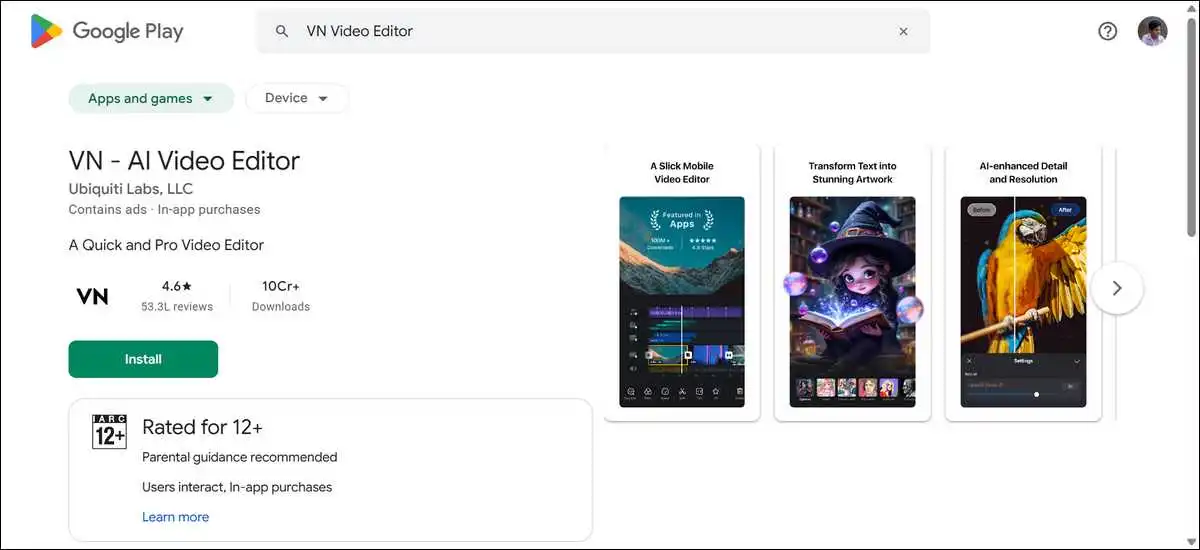
1. VN Video Editor: Delivers Strong Free Tools with No Watermark
VN works especially well if you want no watermark on free exports and precise timeline controls. You can work with multi-track editing, keyframing down to 0.05-second steps, non-destructive edits, and AI tools such as intelligent cutout, auto captions, and text-to-speech.
Current stats: It holds 4.7 stars from over 5.33 million reviews and 100 million-plus downloads. The app received an update as recently as June 16, 2026.
Timeline Interface Comparison: Filmora vs Leading Alternative
Comparison based on June 2026 app versions. Interface details reflect the latest updates available at the time of research.
Sources: Official Google Play Store listings (June 2026) + aggregated user interface feedback from millions of reviews.
With those review numbers, it’s no surprise that users often report reliable performance for standard projects on mid-range phones. What’s more, heavy overlays or long 4K timelines can cause lag or occasional crashes in recent versions. Exports support 4K at 60 fps with custom bitrate options.
Compared with Filmora, VN gives you better free-tier timeline power and clean exports without watermarks. Filmora still leads in generative AI variety and built-in asset libraries, though.
- You can apply auto captions early and use custom export settings for your platform
- It handles most projects smoothly, but saving drafts often helps with complex work
- You’ll find a cleaner free experience than Filmora for many users
- In practice, the precise keyframing tools work well for smooth motion graphics
Some recent user reports mention bugs with saving or audio sync. Regular updates fix many issues, yet it pays to keep backups of important projects.
You can download this app from → here.
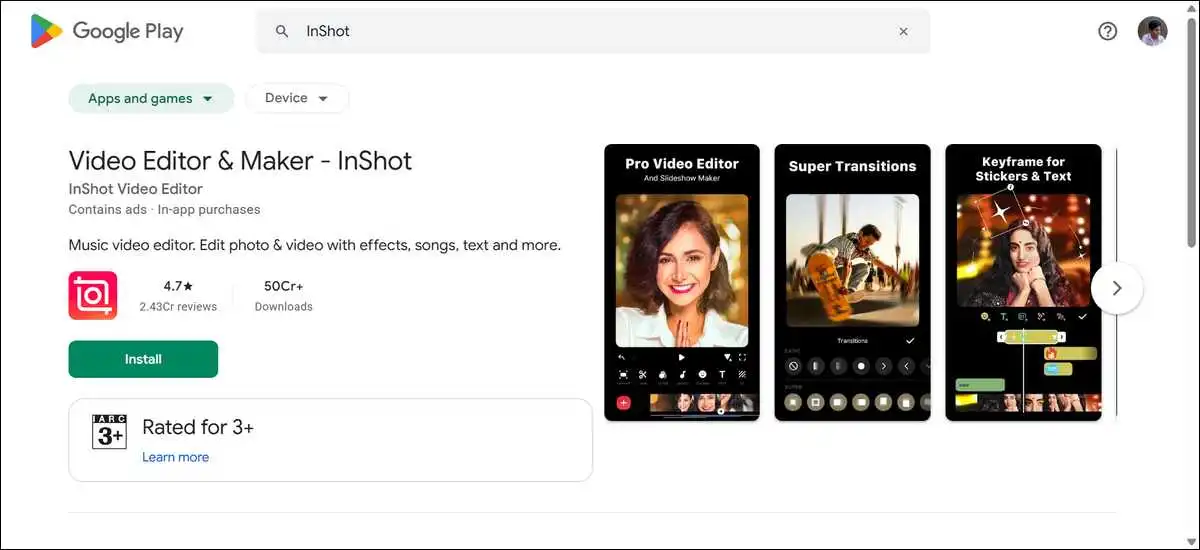
2. InShot: Suits Quick Social Clips and Photo-Video Mixes
InShot performs well when you edit short social videos and also work with photos or collages. You can use AI auto captions, background removal, body effects, smart tracking, and smooth slow-motion tools along with text, music, and transitions.
Current stats: It sits at 4.8 stars from 23.8 million reviews with over 500 million downloads. The latest update came on June 9, 2026.
Feedback shows fast results on most devices for vertical edits. That said, ads appear often, especially near export time. 4K 60 fps export works reliably once any paid features activate.
Compared with Filmora, InShot integrates photo tools more deeply and feels quicker for fast social posts. Filmora usually provides stronger generative AI and better cross-device project continuity, though.
- You can add AI captions first, then use collage layouts for posts that combine photos and video
- Performance stays smooth for quick edits, though ads can interrupt the flow
- It offers stronger collage tools than Filmora for mixed content
- Many users find it helpful to watch for ad prompts before export and consider a one-time purchase if ads get in the way
Watermarks show on many free exports. Ads interrupt more than in some other apps. A one-time purchase or subscription reduces friction for regular users.
You can download this app from → here.
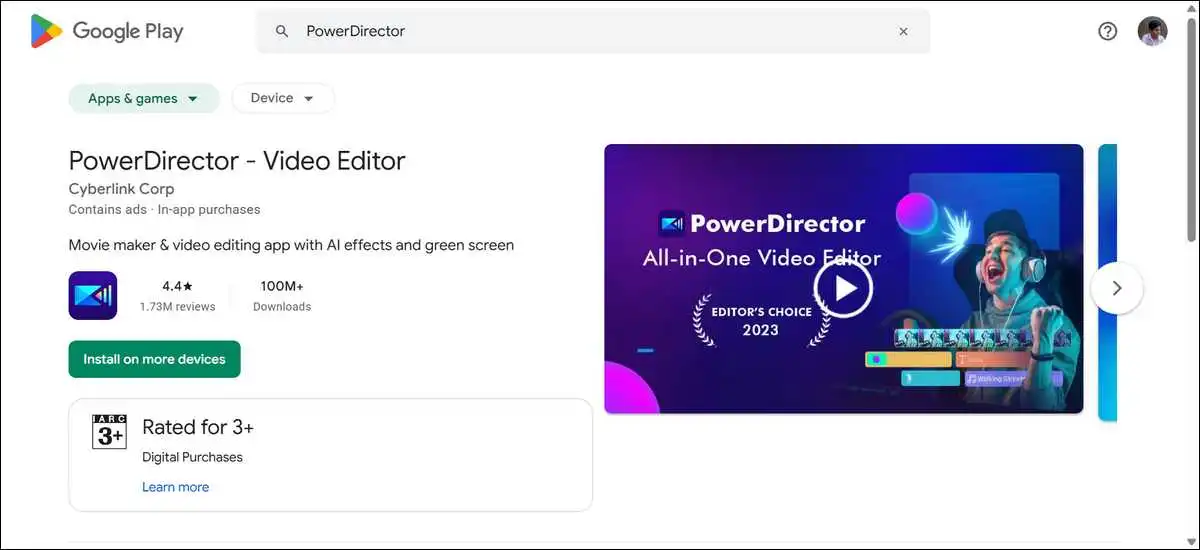
3. PowerDirector: Offers Broad AI Tools and Effects
PowerDirector gives you a wide AI toolkit plus strong effects when you want fast, styled results. You can use auto edit, image-to-video with style templates, auto-captions, voice changer, cutout, body tracking, and video enhancer along with keyframing and stabilization.
Current stats: It holds 4.3 stars from 1.73 million reviews and 100 million-plus downloads. It received a tablet and Chromebook optimization update on June 15, 2026.
Users often note good speed for AI-assisted drafts on newer phones. What’s more, complex projects with many effects can slow mid-range devices. Premium unlocks ad-free use and extra stock assets.
Compared with Filmora, PowerDirector matches or exceeds in some AI style tools and effect volume. Filmora keeps an edge in seamless desktop-to-mobile project handoff, though.
- You can run AI Auto Edit first, then refine with keyframing and color tools
- It works well for drafts, but heavy effects need capable hardware
- You’ll notice more style-focused AI than Filmora in certain areas
- In practice, testing stabilizer on handheld footage early helps with action clips
Free versions include ads and limit some content. Many users find a paid plan necessary for consistent work. Occasional stability notes appear in reviews.
You can download this app from → here.
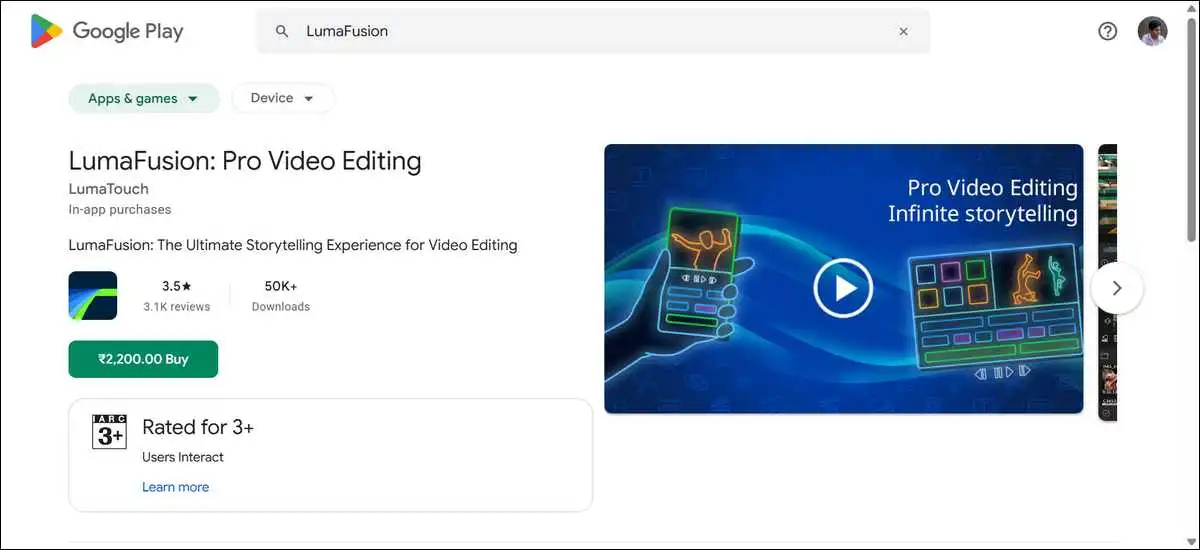
4. LumaFusion: Provides Pro Controls with a One-Time Purchase
LumaFusion suits users who want desktop-like editing and prefer a one-time purchase over subscriptions. You can work with six video tracks plus six audio tracks, a magnetic timeline, advanced color tools with scopes and LUT support, graphic and parametric EQ, and unlimited keyframing. Exports reach 4K.
Current stats: It sits at 4.1 stars from around 3,100 reviews and 50,000-plus downloads. It costs a one-time $29.99. The app was updated on June 11, 2026.
Performance feedback highlights fluid touch editing on capable devices. That said, it handles 4K media well when you have enough RAM. An optional Creator Pass adds stock assets and extra tools.
Compared with Filmora, LumaFusion delivers deeper pro timeline control and ownership without recurring fees. Filmora remains easier for beginners who value ready templates and generative AI, though.
- You can import custom LUTs and use audio ducking for clean voiceovers
- It performs best on phones with solid RAM for 4K work
- You’ll find true pro features without a subscription compared with Filmora
- In practice, transferring projects between phone and tablet works smoothly via cloud or local storage
The smaller user base means fewer tutorials than mainstream apps. The learning curve sits higher than template-heavy options. Some advanced features require the optional pass.
You can download this app from → here.
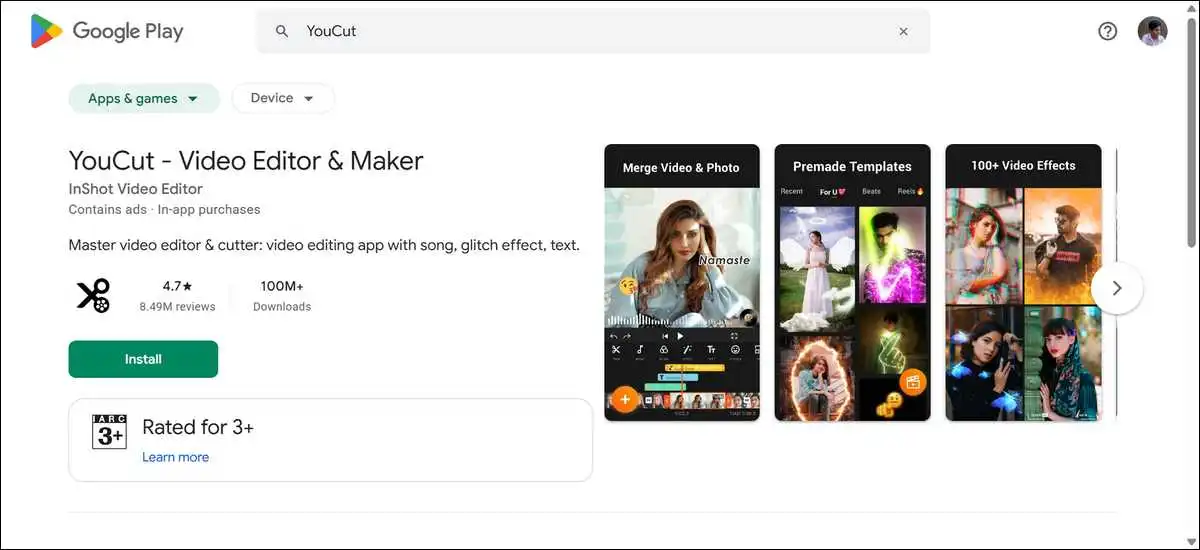
5. YouCut: Gives a Cleaner Free Experience in the InShot Family
YouCut works as a lighter alternative from the same developer as InShot when you want core editing with fewer interruptions. You can use AI captions, background tools, and effects with a focus on straightforward social video work.
Current stats: It carries high ratings near 4.8 stars in its category and solid download numbers in the tens of millions.
Users often praise clean exports and less aggressive monetization than some competitors. What’s more, performance stays smooth for standard social edits on everyday phones. Advanced layers perform better on recent devices.
Compared with Filmora, YouCut offers simpler free-tier access for many creators. Filmora provides richer generative AI and stronger cross-device continuity, though.
- You can trim clips, apply auto captions, then add music and text before export
- It feels reliable for short social clips
- You’ll often find an easier free experience than Filmora
- In practice, checking watermark behavior on your export settings before final delivery helps
Feature depth stays below dedicated pro apps. Some tools still encourage paid upgrades. It pays to test the free version first to see how it fits.
You can download this app from → here.

6. KineMaster: Supports Layered Work and Audio Focus
KineMaster helps with projects that need multiple layers and careful audio control. You can use chroma key, speed adjustments, voiceover tools, and overlay options for more complex compositions.
Current stats: It maintains steady popularity with ratings that support regular use. A subscription often unlocks full features and watermark removal.
Feedback shows reliable layer handling on mid-to-high-end devices. That said, the free version usually adds watermarks or limits, which leads many users toward paid plans. Audio mixing receives consistent positive notes.
Compared with Filmora, KineMaster emphasizes hands-on layering and audio work. Filmora leads in AI generation speed and template variety, though.
- You can build separate video and audio layers, then apply chroma key where needed
- It handles complex layers better on newer phones
- You’ll notice more manual audio control than Filmora
- In practice, exporting with custom settings helps match platform requirements
Full watermark-free use typically requires a subscription. The interface can feel busier than newer apps. Performance varies with project size.
You can download this app from → here.

7. Edits by Instagram: Fits Simple Platform-Native Workflows
Edits works well for creators who mainly post to Instagram and want minimal friction. You can use straightforward trimming, effects, text, and music tools aimed at quick Reels and Stories.
Current stats: It has a growing user base with solid ratings around 4.3 stars. Download volume sits lower than the leaders, but convenience remains high for IG users.
Performance feels light and responsive on most phones. What’s more, it handles short vertical videos efficiently without heavy resource demands.
Compared with Filmora, Edits wins for pure Instagram speed and simplicity. Filmora offers more creative depth and AI generation options, though.
- You can edit in the app and share to Reels with minimal steps
- It stays fast for short vertical content
- You’ll find it quicker for IG-only workflows than Filmora
- In practice, applying basic filters and captions early helps with consistent branding
The feature set stays basic compared with full editors. Export customization and advanced timeline controls remain limited.
You can download this app from → here.
Also read:
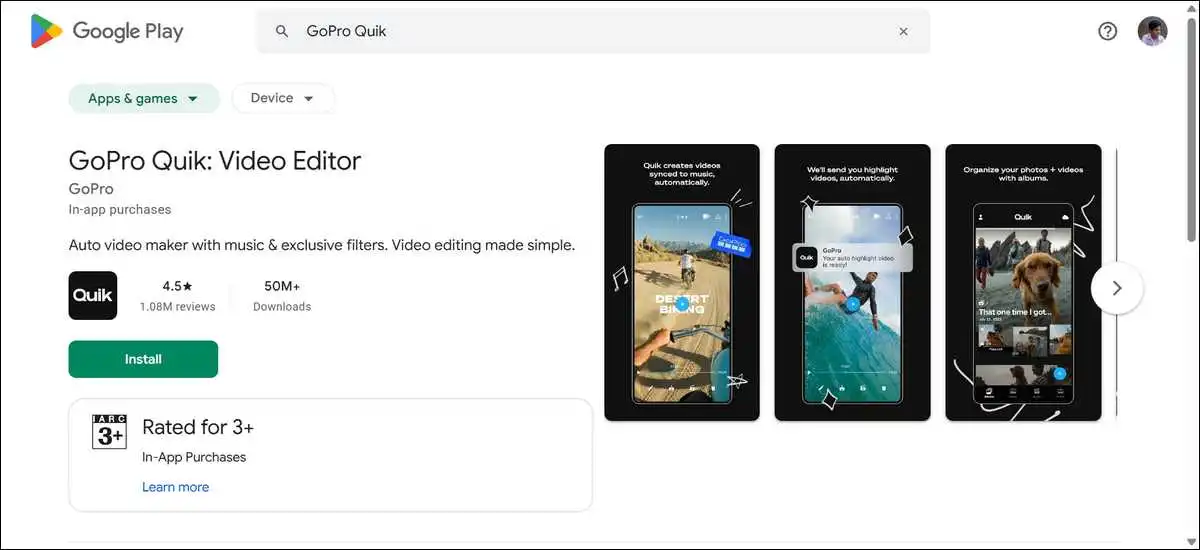
8. GoPro Quik: Handles Auto-Editing for Action Footage
GoPro Quik reduces effort when you want AI to assemble highlight reels from action or travel clips. You can let it add cinematic effects, music, and transitions automatically while still making manual tweaks if you like.
Current stats: It carries strong niche ratings around 4.6-4.8 stars and millions of downloads.
Users report fast, polished auto-edits on the first try. That said, manual adjustments stay possible. Performance stays light even on older devices.
Compared with Filmora, Quik lowers effort for simple highlight videos. Filmora provides more manual control and generative AI tools, though.
- You can import clips, let AI suggest an edit, then adjust music or trim highlights
- It stays light on resources and works on older phones
- You’ll notice less manual work than Filmora for highlight reels
- In practice, it delivers best results with action-style footage
Creative control sits lower than manual editors. Some users want more fine-tuning options. It’s worth testing with your typical clips to see if the auto style fits.
You can download this app from → here.

9. VLLO: Keeps Things Simple for Beginners
VLLO suits new editors who want a clean, low-demand interface. You can work with basic trimming, effects, text, and music without heavy resource use.
Current stats: It holds positive ratings in the 4.3-4.5 range and millions of downloads. It remains popular among casual users.
Performance excels on budget and older Android phones. What’s more, it avoids the lag that heavier apps sometimes show on low-RAM devices.
Compared with Filmora, VLLO feels lighter and less overwhelming for first-time users. Filmora offers far more AI depth and template options, though.
- You can use the basic timeline, add text and transitions, then export at 1080p
- It works well on budget phones
- You’ll find an easier entry point than Filmora for beginners
- In practice, it serves best as a starting option before moving to more advanced apps
Advanced features and AI tools stay limited. Serious projects outgrow it quickly. Many users treat it as a simple starting point.
You can download this app from → here.
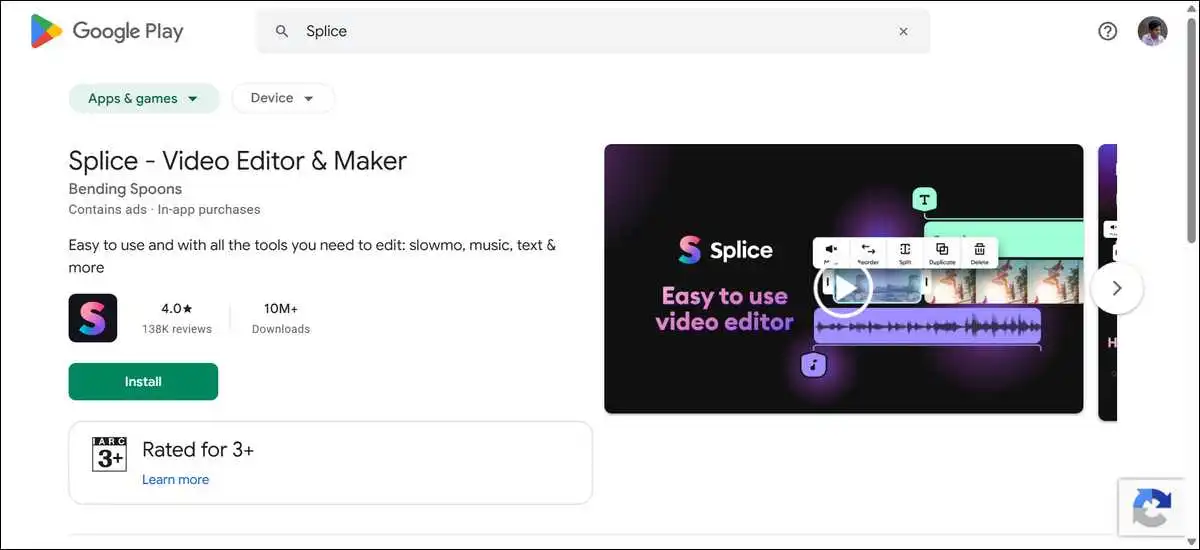
10. Splice: Offers a Calm and Logical Editing Flow
Splice receives praise when users want an intuitive interface without too many options. You can use solid core editing tools in a straightforward layout.
Current stats: It gets positive mentions in expert roundups with moderate download numbers.
Users note smooth navigation and reliable performance on standard devices. That said, it handles typical social and short video projects without issues.
Compared with Filmora, Splice provides a calmer editing experience. Filmora supplies stronger AI generation and larger asset libraries, though.
- You can organize clips first, apply effects sparingly, and use built-in export presets
- It stays stable for everyday social edits
- You’ll notice it’s less overwhelming than Filmora for some users
- In practice, it rewards people who prefer manual control over heavy automation
Fewer AI tools appear than in leading apps. Template selection stays smaller. It works well if you like a simpler, more deliberate workflow.
You can download this app from → here.
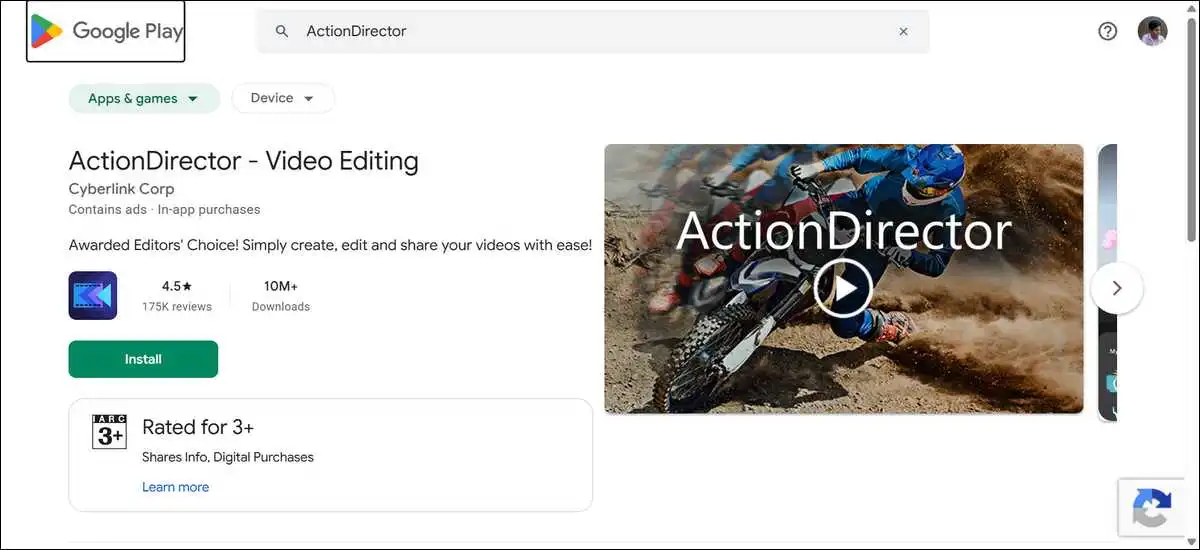
11. ActionDirector: Targets Action and Sports Footage
ActionDirector helps with stabilization, speed effects, and tools made for dynamic footage. You can use tracking and enhancement features suited to sports or travel clips.
Current stats: It carries solid niche ratings as part of the CyberLink family.
Performance handles stabilized action footage efficiently on capable phones. What’s more, users with sports or travel content often find the focus useful.
Compared with Filmora, it addresses action-specific needs more directly. Filmora covers broader use cases with more general AI tools, though.
- You can apply stabilization early, then use speed ramping for highlights
- It delivers good results with dynamic footage
- You’ll find it’s more specialized than Filmora for action clips
- In practice, testing on your typical handheld clips shows how well the tools fit
It offers less versatility for general talking-head or vlog content. Feature depth outside action tools stays average.
You can download this app from → here.
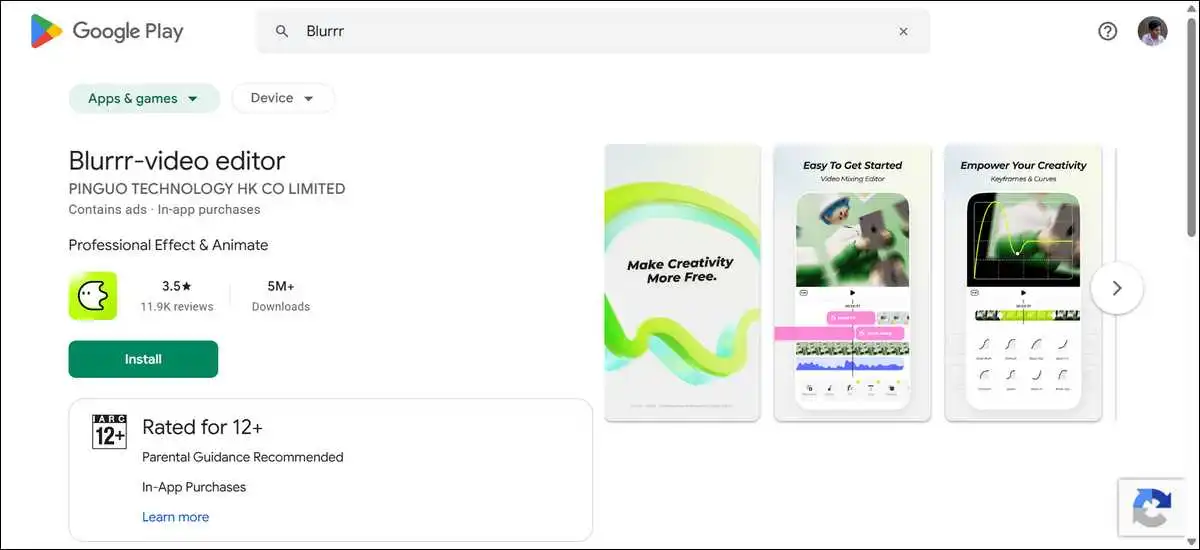
13. Blurrr: Focuses on Creative and Stylized Effects
Blurrr works for users who want artistic blurs, transitions, and stylized looks. You can use it for short creative or mood-driven pieces rather than realistic edits.
Current stats: It gets positive smaller-scale ratings and growing but not mainstream downloads.
Feedback shows good results for short artistic clips. That said, performance stays acceptable on mid-range devices for lighter projects.
Compared with Filmora, Blurrr carves a niche in creative effects. Filmora provides a more complete editing suite and AI assistance, though.
- You can experiment with blur effects on short clips and combine them with text overlays
- It suits short stylized clips well
- You’ll notice more creative effects focus than Filmora
- In practice, it works best as a secondary tool for specific creative styles
Core editing depth stays more limited than full-featured apps. Many users treat it as a specialized option rather than a main editor.
You can download this app from → here.
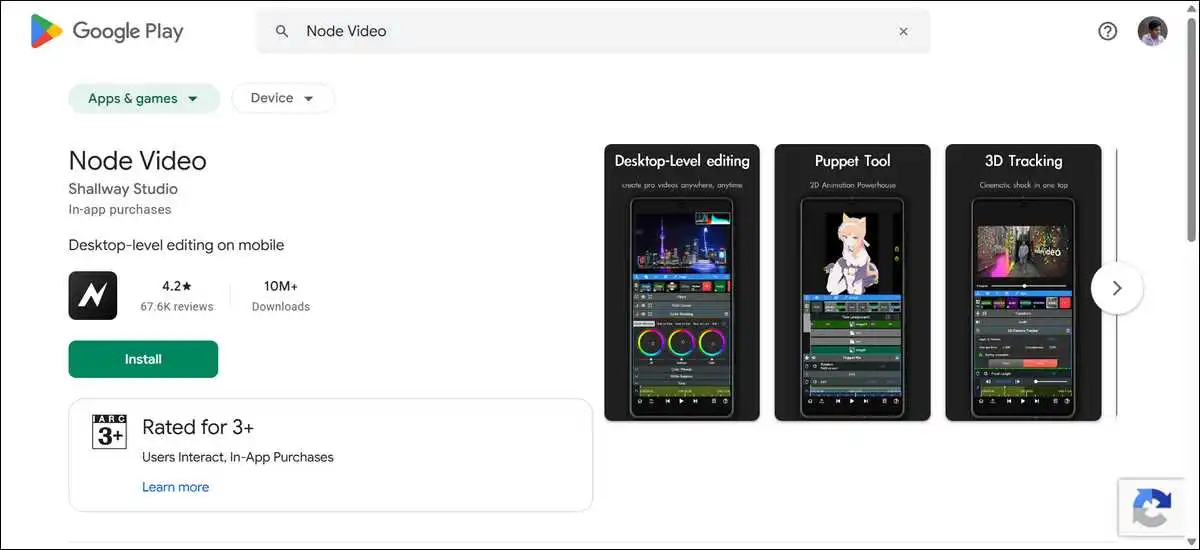
13. Node Video: Appeals to Users Who Want Technical Control
Node Video targets creators comfortable with node-based or highly customizable workflows. You can use it if you like technical editing approaches.
Current stats: It holds strong ratings among its dedicated users with smaller overall downloads.
Performance requires a reasonably powerful device for complex node setups. What’s more, users report precise control once they learn the system.
Compared with Filmora, it offers a different control style for advanced users. Filmora remains more accessible for most creators, though.
- You can learn basic node connections and test exports at target resolutions early
- It needs capable hardware for complex projects
- You’ll find more technical control than Filmora
- In practice, the learning curve sits steeper than most alternatives
The community and tutorials remain smaller. It doesn’t suit quick social edits for most people. It’s worth exploring only if you already enjoy node-based or highly technical workflows.
You can download this app from → here.
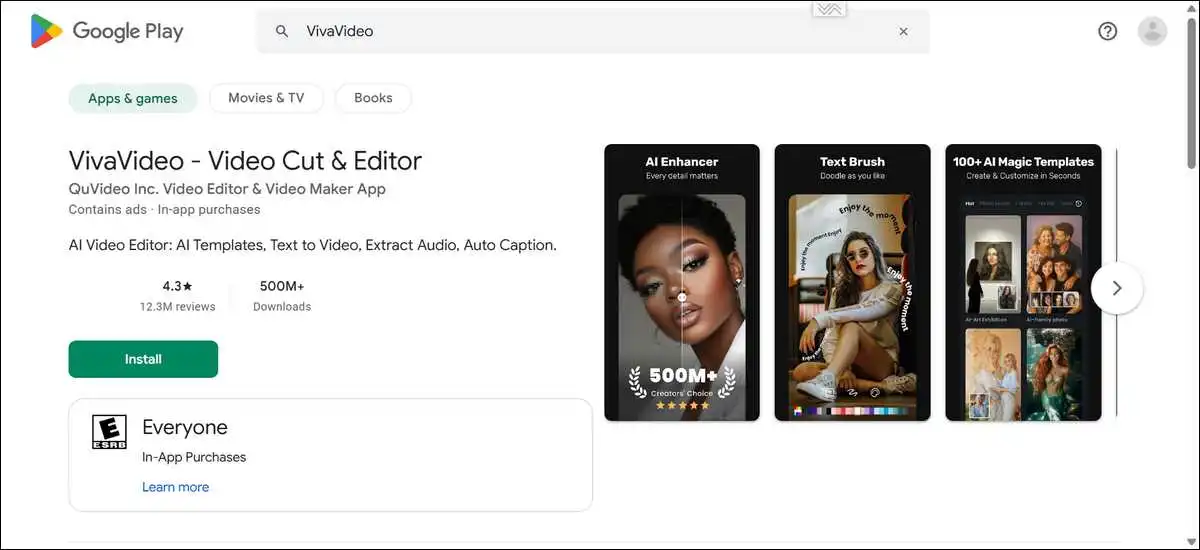
14. VivaVideo: Provides Effects-Heavy Quick Styling
VivaVideo delivers many effects, transitions, and music options for fast, visually busy edits. You can use it for short content that needs quick visual impact.
Current stats: It has an established user base with decent ratings in the 4.4-4.6 range.
Performance works well for short, effect-driven clips on everyday phones. That said, longer or 4K projects benefit from newer hardware.
Compared with Filmora, it delivers quick visual impact through effects. Filmora provides better AI tools and timeline precision overall, though.
- You can apply effects in moderation and use music sync for energetic results
- It stays good for short energetic clips
- You’ll notice faster visual styling than Filmora for some short videos
- In practice, it can feel dated compared with newer AI-focused apps
Watermark and ad presence vary by version. Serious long-form work may outgrow it. Many users treat it as a quick styling option rather than a full editor.
You can download this app from → here.
Also read:
Key Factors to Consider When Choosing an App
Pricing reality
Free tiers often include watermarks or ads. One-time purchases like LumaFusion avoid recurring costs. Subscriptions unlock features but require ongoing payment. It helps to test the free version first to see how well it fits your workflow.
Performance on Android devices
Basic edits run smoothly on most phones across these apps. Heavy multi-track or 4K work performs better on devices with 6 GB+ RAM and recent processors. User reports note lag in complex projects on older hardware no matter which app you choose.
AI capabilities
Filmora, PowerDirector, and VN lead in generative and auto tools. Results improve with device power and regular updates. AI features still need manual review in most cases.
Export needs
You can check support for 4K, 60 fps, and custom bitrate options. Social-focused apps optimize vertical exports well. A quick test export early in your process confirms quality matches your target platform.
Practical How-Tos for Common Tasks
How to handle watermarks on free tiers
Many apps add watermarks on free exports. Some let you remove them manually or by watching ads. Others require paid plans for clean removal. Exporting a short test clip first shows what to expect.
Best export settings for YouTube Shorts or Instagram Reels
You can use 1080×1920 resolution at 30 or 60 fps. Match bitrate to platform guidelines. Add captions early and test playback on a phone before the final upload. Vertical aspect ratio prevents unwanted cropping.
Quick project migration tips
Cloud sync works best in apps that support it across devices. Local transfer via USB or Google Drive works for others. It helps to save project files separately from final rendered videos.
Final Thoughts on Choosing the Right App
Your main goal guides the best starting point. Need clean exports without watermarks and strong free tools? VN often fits well. Create mostly short social content? InShot deliver fast results for many people. Want ownership without subscriptions? LumaFusion stands out. Value heavy AI help? Compare PowerDirector and Filmora side by side.
It helps to download two or three options and test them with your usual footage. Real performance and interface feel matter more than feature lists. Regular updates bring AI improvements and bug fixes across these apps.
Suggested visual: Add a simple decision checklist or flowchart graphic here. Alt text: Decision guide for picking a Filmora alternative on Android based on main editing needs in 2026.
People Also Ask For
VN comes closest for many users because of no watermark and capable timeline tools. Most other options include some free-tier limits.
AI auto-captions, cutouts, and generation speed up editing for many creators. Results still need review. Apps improve these tools with updates.
Basic editing runs on most devices. Heavy effects or long 4K timelines perform better on newer phones with more RAM. It helps to test with your device before starting large projects.
It depends on how often you edit and whether free limits slow you down. One-time options like LumaFusion suit users who prefer ownership. Many people start free and upgrade only if needed.
We hope that this information helps you make a best choice based on current data. Testing the apps that match your workflow shows what works best for you. Your device and editing style ultimately decide the right fit.