Design, Views, and Flavor: Exploring Dubai’s Elevated Dining Experiences
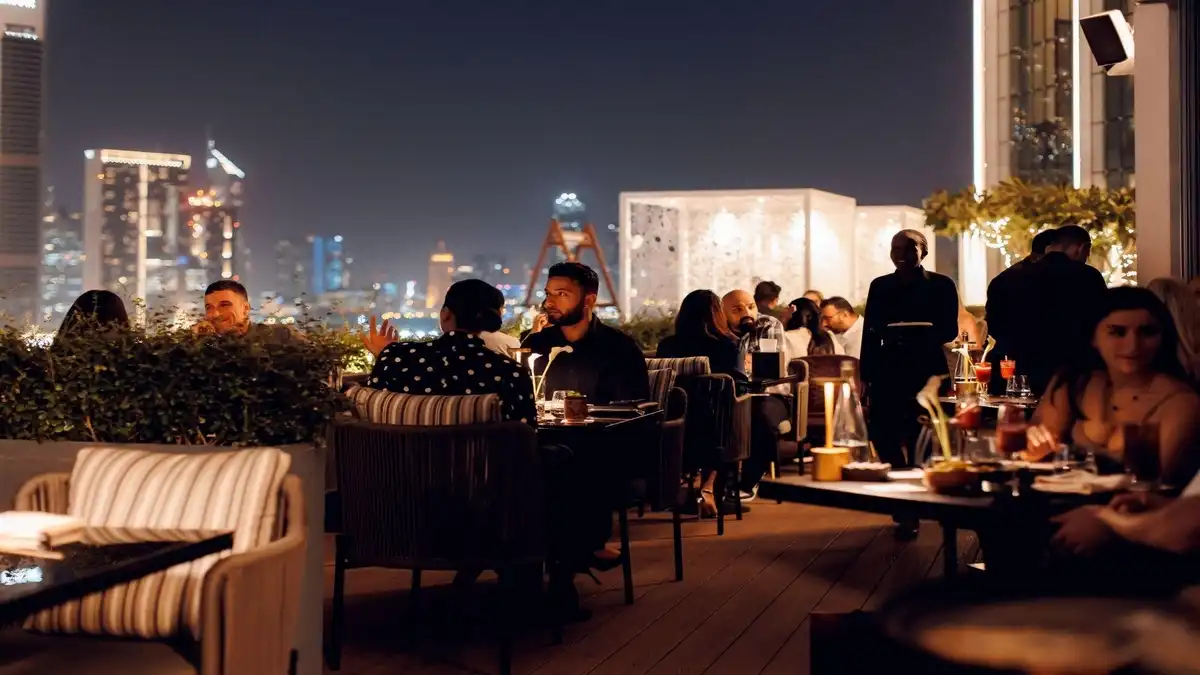
Dubai’s dining culture has always moved in step with its skyline. As the city has grown upward, so too has the way people gather, eat, and socialize. Elevated dining is no longer about novelty alone. It reflects a careful balance between architectural intent, culinary storytelling, and the rhythm of urban life unfolding below.
These spaces are shaped by design intelligence as much as by menus. Materials respond to climate, layouts frame views without overwhelming them, and lighting is calibrated to shift naturally from day to night. Toward the end of this conversation, the role of terrace restaurants in Dubai becomes clear as a defining layer of how the city experiences food beyond enclosed interiors.
Architecture as the Foundation of Elevated Dining
The success of elevated dining begins long before a table is set. Structural planning, orientation, and material selection determine whether a space feels inviting or exposed. Designers must account for heat, wind, and sound while preserving openness. This requires architectural restraint rather than excess.
Open-air structures often rely on layered shading, pergolas, and transitional thresholds. These elements create comfort without enclosing the environment. The result is a dining space that feels connected to its surroundings rather than isolated from them.
In Dubai, where climate considerations are non-negotiable, architecture plays a silent but decisive role. When done correctly, it supports the dining experience without drawing attention away from it.
Views as a Narrative Element
Views are not simply visual bonuses. They act as narrative devices that shape how a guest experiences time and place. A skyline framed at sunset tells a different story than the same view under evening lights. Elevated dining spaces are designed to anticipate these transitions.
Seating layouts often prioritize sightlines, ensuring that views remain unobstructed while still maintaining intimacy. Glass balustrades, staggered seating levels, and strategic orientation all contribute to this effect.
In well-planned spaces, views complement the cuisine rather than compete with it. They provide context, grounding the experience within the city’s broader identity.
Spatial Flow and Guest Movement
Spatial Flow and Guest Movement focuses on how guests transition through an elevated dining space with ease and intention. Thoughtful circulation, clear zoning, and intuitive layouts ensure comfort while preserving views and atmosphere.
Arrival and First Impressions
The journey into an elevated dining space is as important as the destination itself. Access points, elevators, and entry corridors set expectations before guests even reach their seats. A well-designed arrival sequence builds anticipation without feeling theatrical.
Transitions are kept fluid, allowing guests to move naturally from enclosed interiors to open-air zones. This gradual reveal enhances comfort and reduces sensory overload. First impressions are formed quietly, through proportion and pacing rather than spectacle.
Table Placement and Circulation
Once inside, circulation paths determine how relaxed the space feels. Tables must be positioned to balance privacy with openness. Overcrowding disrupts sightlines and undermines the purpose of elevation.
Designers often use subtle level changes or planters to define zones. These elements guide movement while maintaining visual continuity. The goal is to create flow without confusion, allowing guests to settle in effortlessly.
Nighttime Transformation
As daylight fades, elevated dining spaces undergo a subtle transformation. Lighting design becomes central, shifting focus from views to atmosphere. Warm tones, low-glare fixtures, and layered illumination help maintain visual comfort.
This transition is planned, not improvised. Successful spaces feel equally considered at noon and at midnight, reinforcing their versatility within the city’s dining landscape.
Culinary Concepts and Design Alignment
Menus in elevated dining spaces are rarely accidental. They are shaped by the environment in which they are served. Lighter dishes often complement open-air settings, while presentation tends to be refined rather than elaborate.
Kitchen layouts and service routes are integrated into the architectural plan. This ensures efficiency without disrupting guest experience. The connection between front-of-house design and back-of-house functionality is essential.
When cuisine and design align, neither dominates. Instead, they support one another, creating a cohesive experience that feels intentional rather than curated for effect.
Material Choices and Sensory Balance
Material selection plays a critical role in how elevated dining spaces age and perform. Surfaces must withstand heat, humidity, and frequent use while retaining visual appeal. Natural materials are often favored for their tactile quality and ability to soften architectural lines.
Acoustic comfort is another key consideration. Open-air spaces can amplify sound if not properly managed. Textured surfaces, soft furnishings, and strategic screening help absorb noise without enclosing the space.
These choices contribute to sensory balance. Guests remain aware of their surroundings without feeling overwhelmed by them.
Technology and Modern Expectations
Technology is woven discreetly into elevated dining environments. Lighting controls, sound systems, and climate management tools operate behind the scenes. Their presence is felt through comfort rather than visibility.
Digital integration supports service efficiency without intruding on the dining experience. Guests remain focused on food, conversation, and views rather than devices.
This restraint reflects a mature approach to modern hospitality design, where technology enhances rather than dominates.
Final Thoughts
Elevated dining in Dubai represents a convergence of architecture, environment, and social intent. These spaces succeed when they prioritize comfort, coherence, and contextual awareness over visual excess. From spatial flow to material integrity, every decision contributes to a layered guest experience that unfolds naturally. In this landscape, terrace restaurants in Dubai continue to shape how residents and visitors engage with the city’s skyline, while the selective inclusion of concepts like rooftop bar in Dubai downtown highlights the importance of location-driven design and audience understanding.
Behind many of these thoughtfully executed environments is the strategic planning and multidisciplinary approach championed by Nazcaa. Through architecture, interior design, and hospitality consultancy, the firm contributes to dining spaces that are not only visually compelling but operationally sound and culturally attuned, ensuring they remain relevant within Dubai’s evolving urban narrative.