12 Best Ocean of PDF Alternatives: Free, Legal, Reliable & Practical
Ocean of PDF has become a less reliable source since the recent outage. Now, many readers look for other free ebook sites. Some want fully legal sources, whereas others still need big modern collections.
So, I’ve checked the main options available in 2026 thoroughly and prepared this list. This guide compares 12 alternatives with current library sizes, formats, and practical notes.
You can use it to pick what fits your needs without any hassle or searching for something else.
Why Readers Are Looking for Ocean of PDF Alternatives Right Now
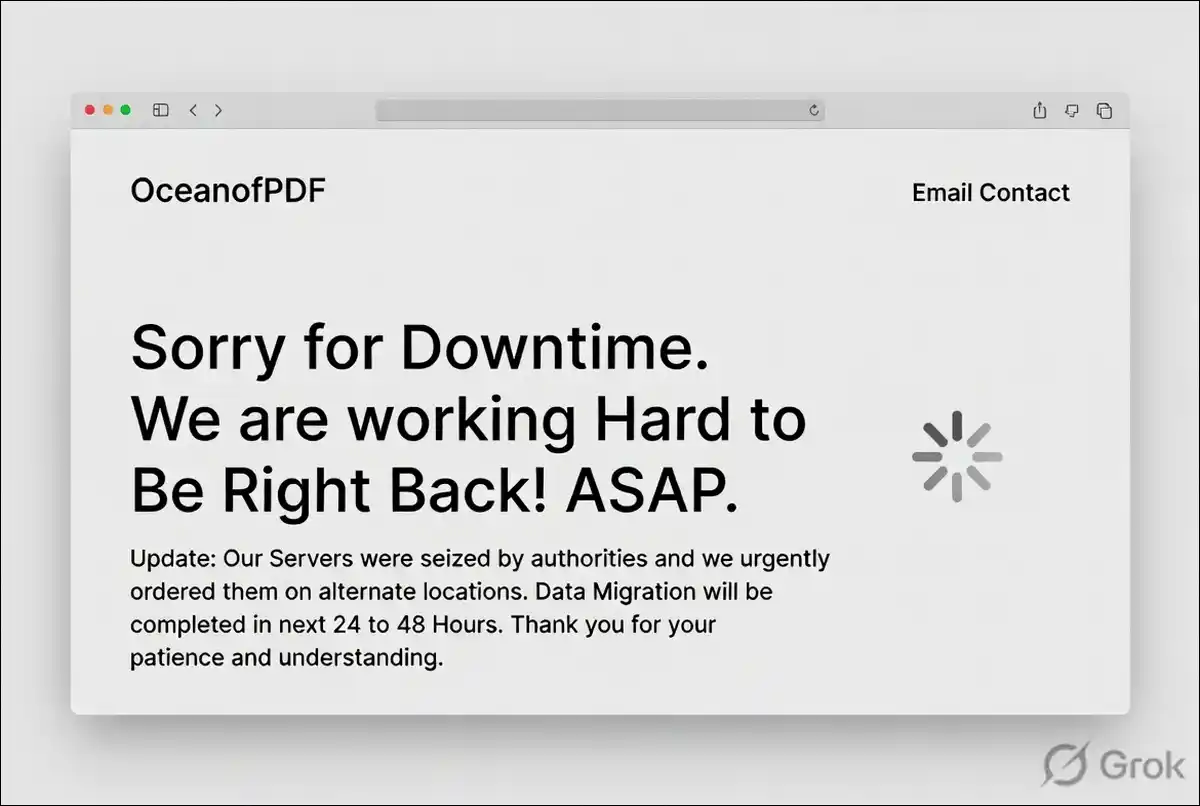
Ocean of PDF faced a clear disruption in early July 2026.
The site claimed its servers were seized, and service returned only partially in the following weeks. To add more inconvenience, domain changes and slow loading became common.
So, readers who relied on it for quick PDF or EPUB downloads are now looking for backup options. Fake mirrors also appeared during the downtime; these often carry extra risk, so you’d better choose wisely.
Legal and more stable sites have improved in recent years. At the same time, the largest unofficial collections remain useful for titles that public-domain libraries do not hold. So the practical question is which combination works for daily reading or research.
How We Evaluated These Alternatives
I looked at four main factors for each site.
- Library size and content breadth came from 2026 reports and official pages.
- Formats and search quality matter for actual use on phones or e-readers.
- Legal status ranges from fully public-domain to clear gray-area platforms.
- Ease of use includes whether you need an account and how mobile-friendly the site feels.
These points help separate sites that work consistently from those that need extra caution.
Now, let’s go ahead with our list of alternatives!
Fully Legal & Stable Alternatives
1. Project Gutenberg
Project Gutenberg holds nearly 78,000 free ebooks as of mid-2026. It focuses on public-domain classics. You can download EPUB, MOBI, HTML, or plain text with no account.
The site is fully legal. Search works by title, author, or language. Over 30 languages appear in the collection. New titles still arrive regularly through volunteer proofreading.
I find it reliable for older literature and reference works. File quality is usually clean. The interface feels simple and stays online without the domain problems common to unofficial sites. You have the option to read directly in the browser or download for offline use. It remains one of the safest starting points when you need free books.
2. Open Library
Open Library, run by the Internet Archive, offers millions of books through controlled digital lending. You can borrow many modern titles for a limited time. Formats include EPUB and PDF plus an in-browser reader.
An account is needed for full borrowing, though some titles allow short guest access. The system aims to treat digital loans like physical library copies. Multi-language browsing is available.
In practice, availability depends on how many digital copies the archive holds. Wait lists can appear for popular books. Still, the legal status and steady uptime make it a strong everyday option. You may extend loans when the system allows.
3. Standard Ebooks
Standard Ebooks takes public-domain works and applies careful formatting. Typography, metadata, and structure are cleaner than many raw Gutenberg files. Downloads come in EPUB and other common formats.
Everything is fully legal. The collection is smaller than Gutenberg but higher in presentation quality. You can browse by subject or author with no account required.
I notice the difference most on e-readers. Chapters open cleanly and text looks consistent. It works well if you want polished classics without extra editing steps.
4. Libby / OverDrive
Libby connects to your local library card and lets you borrow ebooks and audiobooks for free. The service is fully legal and widely used. Hundreds of millions of digital checkouts happen each year across library systems.
You need a valid library card. Once linked, search and borrow work much like a physical library. Loans expire automatically. Formats support most major e-readers and apps.
Availability depends on your library’s collection and licenses. Popular titles may have wait lists. For many readers, this remains the most convenient legal source of recent books.
5. Internet Archive
The Internet Archive holds millions of texts along with audio, video, and software. Book files appear in PDF and EPUB. You can often borrow or download public-domain and certain other works.
The platform is a non-profit and operates under legal frameworks for archiving. The Wayback Machine adds historical web pages. No account is required for many public-domain items.
Search can feel broad. Results sometimes mix books with other media. For pure ebook hunting you may prefer more focused sites, yet the archive stays useful for rare or older material.
6. ManyBooks
ManyBooks lists more than 50,000 titles. The mix includes public-domain classics and free indie works. Categories and basic reviews help browsing. Formats cover PDF and EPUB.
Most content is legal. No account is needed for downloads. The interface is straightforward.
It works well for casual discovery. Newer indie titles appear alongside older books. File quality varies more than on Standard Ebooks, but the site stays simple to use.
Larger Shadow-Library / Gray-Area Options
7. PDF Drive
PDF Drive indexes over 85 million files according to 2026 reports. It supports PDF, EPUB, and MOBI. No account is required. Search feels fast and includes basic recommendations.
Legal status sits in a gray area. The site functions more like a search engine for existing PDFs than a hosted library. Occasional ads appear. A mobile app is available.
I’ve found it useful for quick lookups of technical or popular titles. Results can include scanned documents of uneven quality. You may want to scan downloads before opening them.
8. Z-Library
Z-Library reports more than 22 million ebooks and 84 million articles. It supports about 11 formats. A free account is usually needed for full access. Multi-language search is strong.
The platform operates in a clear gray area. Domains change with some frequency. Collection size remains one of the larger options for modern books and academic papers.
When the current domain works, search and download speed are solid. Reliability can shift after enforcement actions. Treat it as a secondary source rather than a daily primary site.
9. Library Genesis (LibGen)
Library Genesis holds millions of titles with a strong academic and technical focus. Formats include PDF, EPUB, MOBI, AZW3, and FB2. Search by ISBN, author, or series works well. No account is required.
Legal status is gray. Mirror domains are common. The interface looks basic but functional.
I use it most often for textbooks or research material that other free sites lack. File completeness is usually high for academic works. Always verify the active mirror before downloading.
10. Anna’s Archive
Anna’s Archive indexes roughly 65.7 million books and 95.7 million papers as of July 2026. It acts as a meta-search across multiple shadow libraries and offers torrent options.
It is the largest open index of its kind. Legal status is gray to illegal in most places. The interface focuses on search and download links rather than a polished reading experience.
Collection breadth is hard to match. Uptime and domain stability vary. You have the option to use torrents for bulk needs, though that adds extra steps.
11. PDFcoffee
PDFcoffee hosts a wide range of documents including textbooks, guides, and research papers. Multiple languages appear in the collection. Search and download require no account in most cases.
Legal status is mixed. File quality and completeness vary. The site is sometimes listed among practical Ocean of PDF alternatives for specific technical or educational titles.
It can fill gaps when larger platforms miss a particular document. Approach it with the same caution you would give any gray-area host.
12. Additional Practical Mentions
A few other options surface regularly. Sci-Hub focuses on research papers rather than general books. BookBub and similar services list free or discounted legitimate titles. Some readers also use public library digital collections beyond Libby when available.
These work best as supplements. They don’t replace the broader libraries listed above but can reduce reliance on any single unofficial source.
A Side-by-Side Comparison of Ocean of PDF Alternatives
| Site | Approx. Size (2026) | Main Formats | Account? | Legal Clarity | Best For |
|---|---|---|---|---|---|
| Project Gutenberg | ~78,000 | EPUB, MOBI | No | Fully legal | Classics |
| Open Library | Millions | EPUB, PDF | Yes (borrow) | Fully legal | Modern borrowing |
| Standard Ebooks | Thousands (curated) | EPUB | No | Fully legal | Quality classics |
| Libby / OverDrive | Library-dependent | App formats | Library card | Fully legal | Recent popular titles |
| PDF Drive | 85M+ | PDF, EPUB, MOBI | No | Mixed / gray | Quick PDF search |
| Z-Library | 22M+ books + articles | 11 formats | Often yes | Gray | Broad modern collection |
| Library Genesis | Millions | Multi-format | No | Gray | Academic & technical |
| Anna’s Archive | ~65.7M books + papers | Various | No | Gray | Largest index |
Practical Decision Guide – Which Alternative Should You Use?
For students and academic research you may start with Library Genesis or Anna’s Archive for breadth, then fall back to Open Library or institutional access.
For casual fiction and everyday reading, Project Gutenberg, Standard Ebooks, ManyBooks, and Libby cover most needs with lower risk.
For professionals who need reliable low-risk access, stay with fully legal sources first. Add PDF Drive only when a specific file is missing.
You can build a simple personal system:
- Search Project Gutenberg or Standard Ebooks for older works.
- Check Open Library or Libby for borrowable modern titles.
- Use a gray-area site only if the first two options fail.
- Scan any downloaded file before opening it.
This order keeps most of your reading on stable, legal platforms.
Safe-Use Tips and Common Pitfalls
Always confirm you are on a known active domain. Fake mirrors appear quickly when popular sites go down.
Scan files with antivirus software. Prefer EPUB when possible because the format is less often abused than PDF.
You have the option to convert files with free tools if your reader needs a different format. Keep downloads organized so you can find them later.
Gray-area sites can disappear or change domains without notice. Legal sources rarely do.
Suggested image placement: [Image: Simple flowchart showing recommended order: Legal sources first, then optional gray-area fallback] Alt text: Decision flowchart for choosing Ocean of PDF alternatives safely in 2026
Our Verdict
No single site fully replaces Ocean of PDF in 2026. Legal options have become stronger and more reliable. The largest unofficial collections still hold titles that public-domain libraries miss.
The most practical approach is to treat fully legal sources as your default. Add one carefully chosen gray-area alternative only when needed. This reduces both frustration and risk while still giving access to a wide range of books.
Wrapping Up!
Ocean of PDF’s recent instability made the limits of unofficial sites clearer. Stable free reading is possible when you start with Project Gutenberg, Open Library, Libby, and similar legal platforms. Larger shadow libraries remain available for specific gaps, but they require more caution.
Choose based on how much risk and inconvenience you’re willing to accept. A short personal checklist of preferred sites usually works better than relying on any one platform.