Modern VPS Hosting Trends: Bitcoin Payments, Anonymous Servers and Reliable Infrastructure in 2025
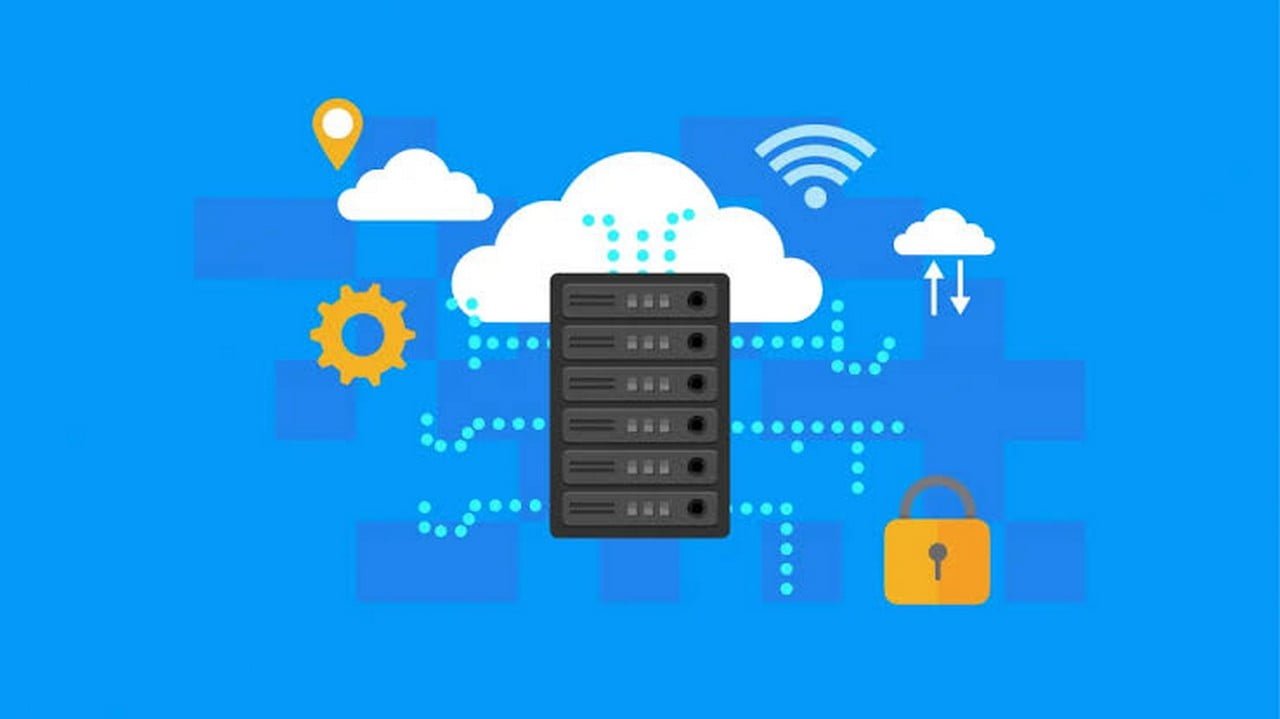
The VPS landscape in 2025 looks nothing like it did a few years ago. Users expect faster access, more privacy, and far fewer obstacles between “I need a server” and actually getting one. Payments have become simpler. Identity requirements — lighter. And providers are finally building infrastructure that matches how global teams work today. The result is a hosting market that feels more flexible, more privacy-friendly, and far more practical than ever before.
Bitcoin Payments Become a Reliable Alternative
Crypto stopped being a novelty in hosting. It became the way many users prefer to pay. Bank cards get blocked. Gateways fail. Transactions bounce for vague reasons like “regional restrictions.” In contrast, Bitcoin VPS hosting offers a clean, predictable experience. A payment goes through, the server activates, and no one asks for a selfie with your passport.
This matters for teams spread across different countries, freelancers working with overseas clients, and developers who simply want a frictionless checkout. Bitcoin payments remove delays, currency limitations and approval bottlenecks — all the things that used to slow down even the simplest VPS purchase.
Anonymous VPS Hosting Moves Into the Mainstream
Privacy is no longer a niche requirement. It became a practical necessity for people who build, test and deploy modern digital products. Startups don’t want unreleased features tied to their personal identity. Researchers need isolated environments without leaving a full profile behind. Blockchain developers often handle sensitive components that shouldn’t be linked to their personal documents.
Because of this shift, the demand to get anonymous VPS hosting keeps rising. Users want access without extra questions. A server should be a tool, not a contract that requires revealing unnecessary details. Anonymous hosting aligns with the way many modern teams operate — quiet, fast, and without intermediaries.
Performance Still Defines the Best Providers
Privacy alone doesn’t make a VPS good. What truly separates strong providers from everyone else is performance. Users expect both power and discretion. High-frequency CPUs, NVMe storage, clean routing and consistent uptime are no longer “premium features.” They’re baseline expectations for 2025.
This is why developers gravitate toward platforms like VPS from Vikhost. They get the privacy they need and the speed their projects demand. No outdated hardware. No unstable virtualization layers. Just reliable infrastructure that doesn’t get in the way.
A Shift Away From Monolithic Cloud Platforms
Big cloud platforms still dominate the market, but their weaknesses became harder to ignore. Automated shutdowns, unpredictable pricing and complex policy rules push many teams to look elsewhere. VPS hosting offers something cloud giants often don’t: transparency. Resources are clearly defined, costs are stable, and providers don’t remove servers because an algorithm misinterpreted traffic patterns.
For long-running workloads, testing environments, and global development teams, this level of predictability is crucial. VPS hosting offers independence from large ecosystems that often feel too rigid for fast-moving projects.
Infrastructure Quality and Location Matter More Than Ever
In 2025, users pay attention to where their servers actually live. Latency, uptime and data stability depend on real-world factors like data center standards, power redundancy, and physical network routes. Providers that rely on mystery colocation setups fall behind those who control their own infrastructure and offer transparent technical specifications.
Teams want hosting that matches their geography and performance needs, not generic “regions” with unclear routes and inconsistent performance. Strong infrastructure is no longer optional — it’s the backbone of reliable online services.
Conclusion
The modern VPS industry is shaped by three essential expectations: borderless payments, privacy-first access, and stable hardware. Bitcoin removes friction at the checkout stage. Anonymous servers protect identity without slowing down deployment. Reliable infrastructure keeps projects running without interruptions.
Providers who combine these elements set the standard for 2025. Fast. Private. Predictable. Exactly what global teams need to build without barriers.