
AllMoviesHub 2026: Is It Safe? Risks, India Piracy Stats & Best Legal Alternatives
AllMoviesHub operates as an unauthorized network of websites and apps. It provides links to copyrighted movies and shows without licenses. Users face real legal exposure and device security risks.
Industry reports document large-scale losses from similar platforms. Legal streaming services have expanded free and affordable options in India. In this guide, we discuss the facts, the numbers, and practical choices available in 2026 to watch movies and TV series online.
What Exactly Is AllMoviesHub and How Does It Operate in 2026?
AllMoviesHub is a piracy aggregator, and it does not host movies on its own servers. Instead, it links users to third-party file hosts and streaming sources.
The platform offers Bollywood, Hollywood, South Indian films, web series, and dual-audio options. It updates frequently with recent releases. Multiple mirror domains appear and disappear as authorities block them.
How does the site make money without charging users?
Aggressive advertising drives revenue. Pop-ups, redirects, and banner ads load on nearly every page. Some links lead to additional ad networks or tracking scripts. The operators rarely invest in original content or secure infrastructure.
This model keeps costs low while exposing visitors to external risks. Revenue depends entirely on volume and click-through rates.
What are mirror sites and why do they matter to users?
Mirror sites copy the exact layout and content under new domain names. When one domain gets blocked, a near-identical version launches within hours or days. Users searching for the latest working link often land on these clones.
The backend file hosts and ad systems stay the same. This cycle repeats as long as demand exists. Search engines sometimes surface older mirrors first, adding confusion.
Do APK versions change the risk profile significantly?
Yes. Many unofficial AllMoviesHub APKs circulate on third-party sites and Telegram channels. These apps request broad permissions including storage, accessibility, and network control.
They bypass Google Play security checks entirely. Reports from 2026 show malware families targeting fake streaming APKs. Data theft and persistent background processes appear in several documented cases. Web versions carry ad-related risks. APKs add sideloading dangers that compound quickly.
What content categories appear most often on these platforms?
- Latest Bollywood and Hollywood releases
- Hindi-dubbed South Indian films
- Dual-audio tracks for regional languages
- TV shows and web series
- Trailers and older catalog titles
Quality varies widely. Some files deliver true HD with decent audio. Others suffer from heavy compression or incomplete downloads. Broken links appear regularly because hosts change or get removed by copyright actions. Users often try multiple mirrors before finding a working file.
How do users typically discover and use these sites?
Most people get them through search engines or social media recommendations. They enter the movie title plus “download” or “full movie”. Results mix official trailers with aggregator links. Navigation feels simple at first.
Category pages and search bars guide users to titles. The experience degrades once ads and redirects begin. Many first-time visitors close the tab after encountering aggressive pop-ups.

How Large Is Online Movie Piracy in India Right Now?
India records substantial traffic to unauthorized movie platforms. Multiple independent reports track the economic footprint. These numbers help size the issue. They also reveal methodological limits that affect how readers should interpret them.
The Ministry of Information and Broadcasting, working with the Motion Picture Association and CII, released findings in 2025. The study estimates roughly 90 million Indian users accessed pirated video content during 2024.
It places annual revenue loss to the legal video sector at about 1.2 billion US dollars. That figure equals roughly 10 percent of the reported legal market size.
Scrutiny on the 90 million user and 1.2 billion dollar estimates
This data draws from traffic modeling and survey responses rather than direct observation of every device. Public summaries do not disclose exact sample sizes or precise definitions of “pirated access.”
Does it count unique devices, active accounts, or any single visit? The baseline legal industry revenue figure comes from industry associations and may use different collection windows.
Cross-reference with the 2024 EY-IAMAI report shows directional agreement on scale. Yet different collection methods produce different absolute numbers. The projection of 158 million users and 2.4 billion dollars in cumulative losses by 2029 relies on modeling assumptions about growth rates and enforcement effectiveness.
These estimates signal meaningful industry pressure. Individual users should still evaluate personal device exposure and content needs first rather than aggregate headlines.
A separate EY-IAMAI analysis from late 2024 calculated India’s overall piracy economy at 224 billion Indian rupees for 2023. Theatrical content accounted for 137 billion rupees. OTT and digital sources made up the remaining 87 billion rupees. Potential GST leakage reached 43 billion rupees.
Scrutiny on the 224 billion rupee piracy economy figure
Industry associations funded the underlying research. The term “piracy economy” aggregates estimated lost revenue across channels. It does not represent cash flowing directly to operators or measure actual profits they retain after costs. Distribution between theatrical and OTT shifts with release windows and enforcement actions.
Older reports sometimes used broader definitions that included physical media. Recent figures align with increased digital consumption patterns. The number illustrates economic stakes for producers and distributors. It does not directly measure risk or cost to any single viewer. Readers should treat it as one indicator among several rather than a precise ledger.
Global traffic estimates add further context. One analysis placed visits to illegal streaming and download sites above 216 billion worldwide in 2024. Films and television accounted for a large share of that activity.
Scrutiny on the 216 billion visit global figure
Traffic data providers derive these totals from panel measurements and extrapolated logs. Exact methodologies and confidence intervals rarely appear in summaries. The figure includes all unauthorized sources, not only AllMoviesHub mirrors. Regional enforcement, VPN usage, and domain blocking affect visibility and measurement accuracy.
The number demonstrates volume at a global level. It leaves open questions about repeat visitors versus one-time access and about how much activity comes from India specifically. Readers gain little actionable insight from the global total alone. Local factors and personal risk tolerance matter more for decisions made in India.
These statistics show piracy remains a persistent feature of the Indian market. Enforcement through court-ordered blocks occurs regularly. Operators respond by launching fresh mirrors within short timeframes. The cycle continues because demand for convenient, low-cost access stays high across demographics.
Legal platforms have responded with broader catalogs and tiered pricing models. The gap between official options and unauthorized sites has narrowed in convenience for many everyday viewing needs.
What do these numbers mean for smaller regional filmmakers and producers?
Loss estimates often focus on big Bollywood or Hollywood titles. Regional cinema operates on thinner margins. Unauthorized copies can reduce theatrical runs and early digital revenue more severely for mid-budget or independent films. Data on this segment remains patchier than for major releases. The overall figures likely understate pressure on smaller creators who lack strong enforcement resources.

What Legal Risks Does Using AllMoviesHub Carry in India?
Indian law treats unauthorized downloading or streaming of copyrighted films as infringement. The Copyright Act and Cinematograph Act provide the primary framework. Operators face the strongest enforcement focus. Individual users encounter lower but real exposure that varies with behavior and volume.
What happens to individual users in practice today?
Most individual downloaders do not face direct prosecution or fines. Enforcement resources target uploaders, link providers, and commercial operations that profit at scale. Internet service providers implement blocks on known domains following court orders. Some users receive warning notices through their ISP after detected activity.
These notices rarely escalate to fines or court cases for personal, non-commercial, low-volume activity. Still, the activity remains illegal under current law. Future policy shifts or new enforcement campaigns could tighten individual accountability without much notice.
How do site blocks actually work in the Indian system?
Courts issue orders requiring ISPs to block specific domains and sometimes associated IP addresses. AllMoviesHub and similar platforms rotate through new domains quickly once blocks take effect. Users then search for updated links or turn to VPNs and proxies. This cat-and-mouse pattern has continued for years across many similar platforms.
It raises the practical difficulty of sustained enforcement at the infrastructure level. It also increases user friction and pushes more people toward unverified or freshly launched mirrors that carry fresh risks.
Do VPNs remove or reduce the legal risk meaningfully?
No. A VPN hides your IP address from the site operator and can bypass some ISP-level blocks. It does not legalize the underlying copyright infringement. Courts and rights holders can still pursue cases based on other evidence such as payment records, account logs, or patterns of behavior. VPNs add a layer of privacy against casual monitoring. They do not create legal immunity. Some VPN providers log activity or cooperate with authorities under valid legal orders. Users who combine VPNs with high-volume downloading still accept residual legal exposure.
What about international users or travelers accessing Indian-hosted mirrors?
Laws differ significantly by country. Many jurisdictions treat personal, non-commercial downloading as a civil matter rather than a criminal one. Commercial distribution or large-scale sharing triggers stronger civil and criminal action. Travelers and non-residents should check the statutes in their home country and any transit locations. The core issue of unauthorized access to copyrighted material remains consistent across most borders even when enforcement priorities differ.
Legal risk stays secondary to security risk for most individual users in the current environment. That balance could shift with new legislation, stronger ISP monitoring, or high-profile enforcement cases. Anyone using these platforms accepts ongoing uncertainty about future consequences. The low probability of personal action does not equal zero risk or zero legal violation.
What Security Threats Do These Sites and APKs Pose in 2026?
Security exposure forms the most immediate and tangible concern for visitors. AllMoviesHub and comparable platforms rely on external ad networks and file hosts that operate outside any single aggregator’s control.
These third parties introduce variables that change daily.
What threats appear most often on the web versions?
Pop-up ads and redirects frequently lead to phishing pages or drive-by download attempts. Some ads bundle malware disguised as video players, codec updates, or system cleaners. Broken or fake download links sometimes deliver corrupted files or additional unwanted software instead of the promised movie.
Users who click through multiple layers to reach a working file increase their attack surface substantially. Basic ad blockers and script blockers reduce but do not eliminate these vectors. Determined users still encounter sophisticated redirects designed to evade common filters.
Why do APK versions carry meaningfully higher risk than web access?
Sideloading removes the Google Play Protect layer and its automated scanning. Many fake movie APKs request extensive permissions including accessibility services, broad storage access, and unrestricted network control.
Researchers documented new Android malware families in 2026 that specifically target streaming-related lures and fake download sites. Some establish persistence mechanisms or turn infected devices into proxies for other attacks. Others harvest credentials, banking details, or personal files.
Installation from unknown sources remains a leading infection vector in mobile threat reports throughout 2025 and 2026. The combination of broad permissions and unvetted code creates elevated exposure compared with browser-based access.
How can users spot higher-risk links or apps before engaging?
- Domains registered very recently with no established history or reputation
- Excessive pop-ups, redirects, or fake “download starting” messages before content appears
- APK files that request unusual or excessive permissions during installation
- Promises of “no ads,” “premium unlocked,” or “ad-free forever” versions from unofficial sources
- Poor grammar, broken English, or unprofessional design on landing pages and menus
None of these indicators offer perfect protection or guarantee safety. They simply raise the caution level and suggest walking away. The safest consistent approach treats every unofficial source and every new mirror as potentially compromised until proven otherwise through independent verification.
What basic protections actually reduce exposure in practice?
Keep operating systems, browsers, and security software current with the latest patches. Use reputable antivirus or anti-malware tools with real-time scanning enabled. Install a reputable ad blocker and script manager from trusted sources. Avoid sideloading APKs unless the source has undergone independent security review by known researchers.
Consider a reputable VPN for general privacy and block bypass, though it does not address malware delivered through ads or infected files. These steps lower the probability of compromise. They do not remove risk entirely or create a safe environment for regular use of high-risk sites.
Device compromise can lead to data loss, identity theft, ransomware demands, or long-term persistence that survives factory resets in some cases. Recovery costs time, money, and stress. Many users discover problems only after significant damage has already occurred. Prevention through avoidance or disciplined hygiene delivers clearer and more predictable outcomes than remediation after the fact.
Why Do People Still Use Sites Like AllMoviesHub Despite the Risks?
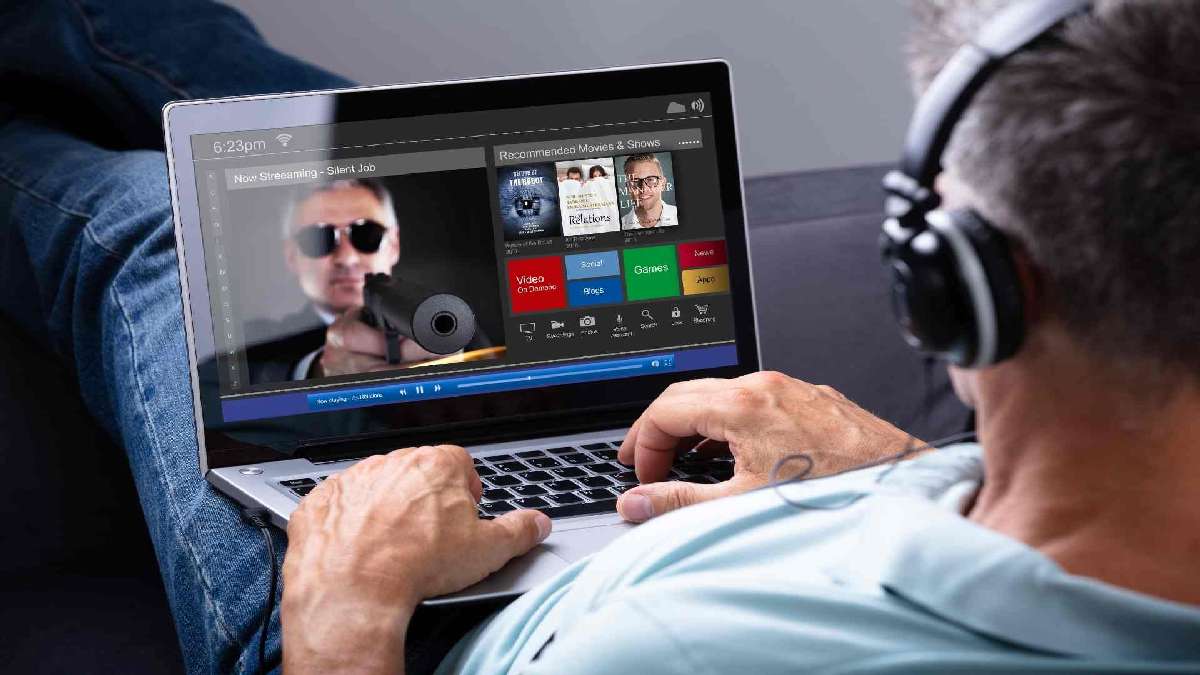
Convenience and direct cost drive continued use across demographics. Legal streaming requires subscriptions or engagement with ad-supported tiers. Multiple services often become necessary for reasonably complete catalog coverage.
Unauthorized sites appear to offer everything in one place at zero direct monetary cost to the user.
What practical advantages do users most commonly report?
- Immediate access to new theatrical releases before legal digital windows open
- Hindi dubs and dual-audio tracks for regional and South Indian content
- No monthly billing cycles or account creation requirements
- Offline files after successful download for later viewing without data use
- Mobile-friendly interfaces on many current mirrors
These benefits feel tangible, especially for viewers outside major metros, on limited data plans, or seeking specific regional dubs that legal services sometimes deprioritize. A single subscription bundle can still leave noticeable gaps in the absolute latest regional films or particular audio tracks.
What hidden costs do users frequently overlook in their calculations?
Time spent navigating aggressive ads, solving captchas, and hunting for currently working mirrors adds up across sessions. Failed or corrupted downloads waste mobile data and time. Malware incidents create direct repair costs plus lost productivity during recovery. Variable file quality leads to repeated attempts and re-downloads.
Legal risk, though statistically low for individuals, creates background uncertainty that some users feel. These frictions rarely appear in initial mental comparisons against subscription prices. They surface most clearly after repeated use or after a security incident.
How has the legal landscape changed the calculation for many viewers?
Free tiers on platforms like JioCinema have grown substantially in both catalog depth and technical reliability. They carry official dubs and a wide range of recent Indian content. Premium services improved offline download options, recommendation accuracy, and multi-device support. Price competition among Indian OTT players has lowered entry barriers for lighter users.
The pure convenience gap has narrowed for many common viewing needs. Piracy sites retain a clearer edge mainly on speed of new theatrical releases and on very obscure catalog items that legal services have not yet licensed or prioritized.
User behavior reflects ongoing trade-offs between immediate access and longer-term reliability plus security. Many people sample both ecosystems depending on the specific title and their current priorities. They weigh personal tolerance for friction, budget constraints, and device safety on a case-by-case basis rather than following a single consistent rule.
How does data cost and availability factor into these decisions in India?
Mobile data remains relatively expensive for heavy users outside unlimited plans. Downloading large HD files multiple times due to quality issues or broken links consumes data that could otherwise support legal streaming.
Legal apps often optimize better for variable connections and offer adjustable quality settings. This practical difference favors legal options more strongly for users who watch frequently or on metered connections.
Which Legal Streaming Options Deliver the Best Experience in India in 2026?
Legal platforms have invested heavily in Indian content, language support, pricing flexibility, and technical reliability. Several options now compete directly on the factors that once favored unauthorized sites for many viewers.
What free or low-cost legal choices exist with meaningful catalogs?
JioCinema offers a robust free tier supported by ads. It carries extensive Bollywood, regional cinema, and selected Hollywood titles with Hindi dubs. Offline downloads work on the free plan for many titles. Tata Play Binge emphasizes South Asian and regional content depth with strong language options. YouTube hosts official full movies and channels from studios, distributors, and public archives. Global ad-supported services such as Tubi and Pluto TV appear with varying catalog strength depending on licensing and geo-availability.

Which premium services provide the strongest overall value for different priorities?
Netflix maintains a large licensed library plus substantial originals. It supports multiple Indian languages and offers strong offline download capabilities across devices. Amazon Prime Video bundles movies and shows with shopping benefits and sometimes includes earlier access windows. Disney+ Hotstar combines extensive movies with live sports and deep Indian programming. Plans start at accessible price points. Apple TV+ focuses on higher-production originals with clean interfaces and good language support where available.
How do the main legal options compare on practical factors that matter daily?
| Platform | Starting Price (INR/month, approx.) | Regional & Dub Strength | Offline Downloads | Ad-Supported Free Tier | Best Suited For |
|---|---|---|---|---|---|
| JioCinema | Free (ads) or low premium | Excellent (Bollywood + regional) | Yes (many titles) | Yes | Budget-conscious Indian content viewers |
| Disney+ Hotstar | 299 and up | Very strong | Yes | Limited | Viewers wanting sports + movies bundle |
| Netflix | 149–649 (tiered plans) | Strong | Yes | No | Broad international library + originals |
| Amazon Prime | 179 (bundled with shopping) | Strong | Yes | No (Prime benefit) | Users already in Amazon ecosystem |
| YouTube | Free or per-title rental/purchase | Varies by official upload | Some titles | Yes (many titles) | Official free movies and discovery |
Prices fluctuate with promotions, regional offers, and plan changes. Annual discounts and bundled options appear frequently. Users should verify current details on official sites or app stores before committing. Most services offer trials or easy cancellation.
What practical differences between legal and unauthorized sources matter most in daily use?
Legal apps deliver consistent video and audio quality with professional subtitle and dub work. They avoid the broken links, variable compression, and malware vectors common on aggregator sites. Playback continues reliably across network changes. Account management, family sharing, and customer support exist when technical issues arise. These factors reduce cumulative friction once the initial subscription decision is made.
Unauthorized sites still surface certain new theatrical titles faster in some cases. Legal release windows have shortened over time. Day-and-date releases remain uncommon outside specific high-profile productions. Viewers who prioritize absolute immediacy continue to face meaningful trade-offs.
How Do You Decide Between Free Piracy Sites and Legal Services?
A clear decision framework helps cut through marketing claims, habit, and incomplete comparisons. Start with your own constraints, viewing patterns, and risk tolerance rather than general recommendations.
What questions reveal the best path for your specific situation?
- How often do you need brand-new theatrical releases versus catalog or older titles?
- Do you value reliable offline files more than on-demand streaming flexibility?
- How much monthly budget remains after essential data, device, and living costs?
- Have you or family members experienced malware, data loss, or device issues from unofficial sources before?
- How important is supporting the creators, technicians, and industry that produce the content you enjoy regularly?
When do legal options clearly deliver higher net value for most users?
Consistent playback quality, absence of malware risk, and predictable catalogs reduce hidden time costs and potential repair expenses. Free tiers on JioCinema and similar services now cover substantial Indian and regional content without direct payment. Multiple-service bundles or annual plans lower per-title effective cost for heavier viewers.
Offline downloads, multi-device support, and family sharing add practical utility that piracy sites rarely match reliably over time. These advantages compound for anyone who watches more than a few titles per month.
When do unauthorized sites retain a clearer practical edge?
Speed of access to the absolute latest theatrical titles sometimes outweighs other considerations for specific viewers. Users in areas with expensive or unreliable data may prioritize zero direct subscription cost. Obscure regional films or very specific dubs occasionally surface first or only on aggregator platforms.
These edges come with the documented security, quality variability, and legal caveats discussed earlier. They suit users who accept those trade-offs knowingly and manage exposure actively.
What hybrid approaches do some users adopt with reasonable success?
Many people maintain one or two low-cost legal subscriptions for the majority of regular viewing. They supplement selectively with aggregator checks only for specific new releases that remain unavailable legally. This approach caps overall exposure while preserving access to time-sensitive titles.
It still requires active risk management, ad blocking, and device hygiene on the unauthorized side. A pure legal approach eliminates that ongoing management overhead and the associated uncertainty.
No single answer fits every viewer or every month. The data shows piracy operates at scale with measurable economic and personal security consequences. Legal alternatives have closed much of the historical convenience gap through better catalogs, free tiers, and technical improvements.
The remaining differences often reduce to individual tolerance for friction, budget realities, and willingness to accept residual risks. Weigh the specific factors that matter most in your context. Then choose the path that aligns with your actual usage patterns and tolerance for downstream problems.

What Should You Do Next If You Want to Watch Movies Safely?
Start by auditing your current habits without judgment. List the types of titles, languages, and viewing frequency that matter most to you. Check which legal services already carry similar content or have announced upcoming additions. Calculate what one or two subscriptions would actually cost against your realistic monthly budget after data and essentials.
How do you evaluate a new legal app or service before committing?
Test free tiers or short trials first with your most common titles. Confirm language support, dub quality, and offline functionality match your actual needs. Read recent user reviews that focus on reliability, subtitle accuracy, and app stability rather than just content volume. Verify that the app comes from the official store and requests only necessary permissions. Check data usage settings and quality options for your typical network conditions.
How do you reduce risk if you still visit aggregator sites occasionally?
Use a secondary device or isolated browser profile when possible. Keep strong, updated antivirus and anti-malware active with real-time protection. Never enter personal credentials, payment details, or sensitive information on these sites. Avoid APK downloads from unverified channels or Telegram groups. Clear browser data, cache, and app data after sessions. These steps lower probability of issues. They work best as temporary measures alongside a broader shift toward lower-risk sources.
Where can you find reliable, current information on legal options and enforcement?
Follow official announcements from the Ministry of Information and Broadcasting or major rights holder groups for policy updates. Check app store listings and service websites directly for plan changes, new content windows, and regional availability. Independent tech and entertainment sites publish periodic roundups of legal catalogs and pricing. Cross-reference multiple sources before acting on any single claim or recommendation. Domain status and service features change rapidly in this space.
Frequently Asked Questions
Frequently Asked Questions
Wrapping Up!
The evidence shows clear, consistent patterns across multiple sources. Piracy platforms operate at significant scale with documented economic consequences for the industry and security consequences for users.
Legal alternatives have improved enough to serve most common viewing needs for many people at accessible price points or through free tiers. Individual choices still depend on personal priorities around cost, timing of new releases, device safety, and tolerance for ongoing risk management.
Weigh the factors that matter most in your specific situation. Then select the path that aligns with your actual habits and long-term interests.
Note: Article updated June 2026. All statistics drawn from publicly reported industry studies and government sources referenced in the text. Domain status, service features, pricing, and malware threats change rapidly. Verify current details directly from official sources before making decisions that affect your devices or viewing.