Stem Player vs Stem 2: Which One Should You Buy in 2026?
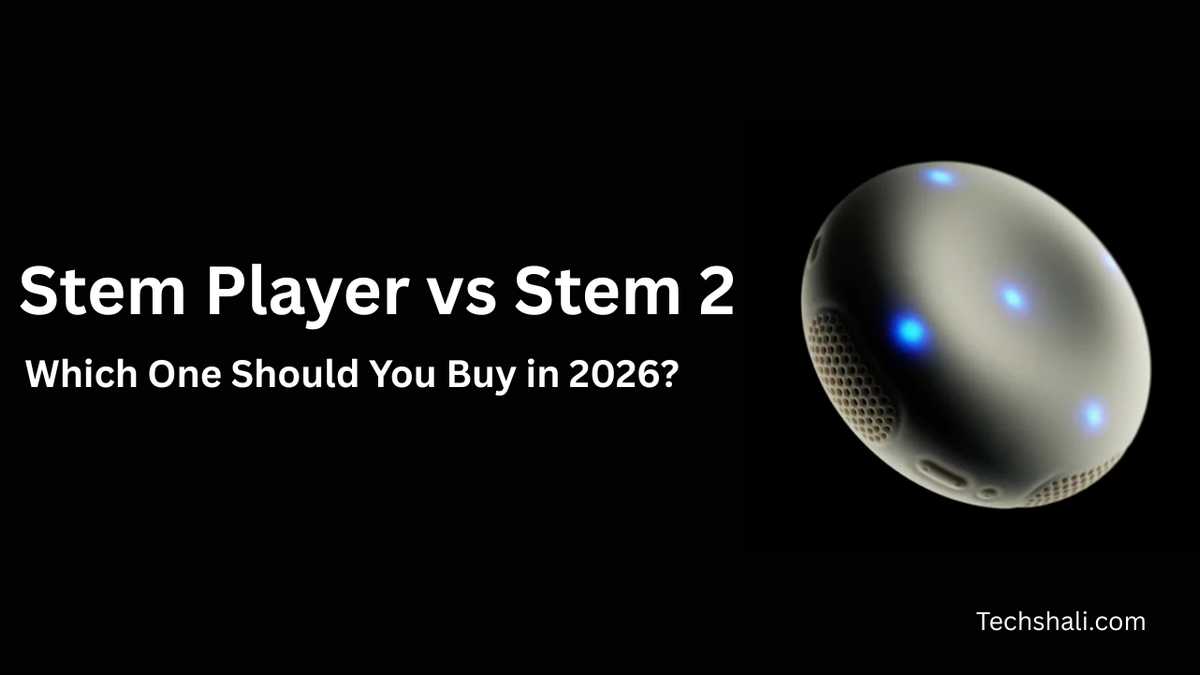
Stem Player or Stem 2 — what’s actually different and which one is worth your money? We break down design, features, Stem FM, pricing, and real limitations so you can decide without the guesswork.
The Stem Player and the Stem 2 are not just two generations of the same thing. They represent two genuinely different ideas about what a music device should do and who it should serve.
One was built to put remix control directly in your hands. The other was built to bring AI into that equation — and then push the whole concept further than the original device ever attempted.
So in this guide, we’re going to break both down completely. Design, features, platform, price, real limitations, and the type of listener each one actually fits.
We’re not here to push you toward either product. We’re here to help you figure out which one — if either — actually makes sense for you.
Let’s start from the beginning.
A Quick Background — Why These Two Devices Exist at All
To understand what you’re choosing between, you first need to understand where both products came from. Because the story behind these devices is just as important as the specs.
The Stem Player launched in August 2021. It was built by London-based tech company Kano Computing, led by CEO Alex Klein, in collaboration with Kanye West. It debuted alongside West’s tenth studio album, Donda, and it wasn’t just a music player. It was a direct challenge to how music is distributed, consumed, and monetized.
The core idea was bold and simple at the same time. What if you could hold a song in your hand and pull it apart? Vocals here, drums there, bass over here, samples in the corner. What if you could slow it down, loop a section, remix it live — without owning a studio or knowing anything about audio production?
That was the original Stem Player. A $200 physical device that let anyone interact with music at a stem level.
Then came the turbulence. Kanye West’s antisemitic outbursts in late 2022 forced Kano into a difficult position. They ended the collaboration in January 2023, discontinued the Donda-associated version, and restructured the business. The company went into administration in June 2023, was reacquired by Alex Klein, and came out the other side with a clearer sense of purpose.
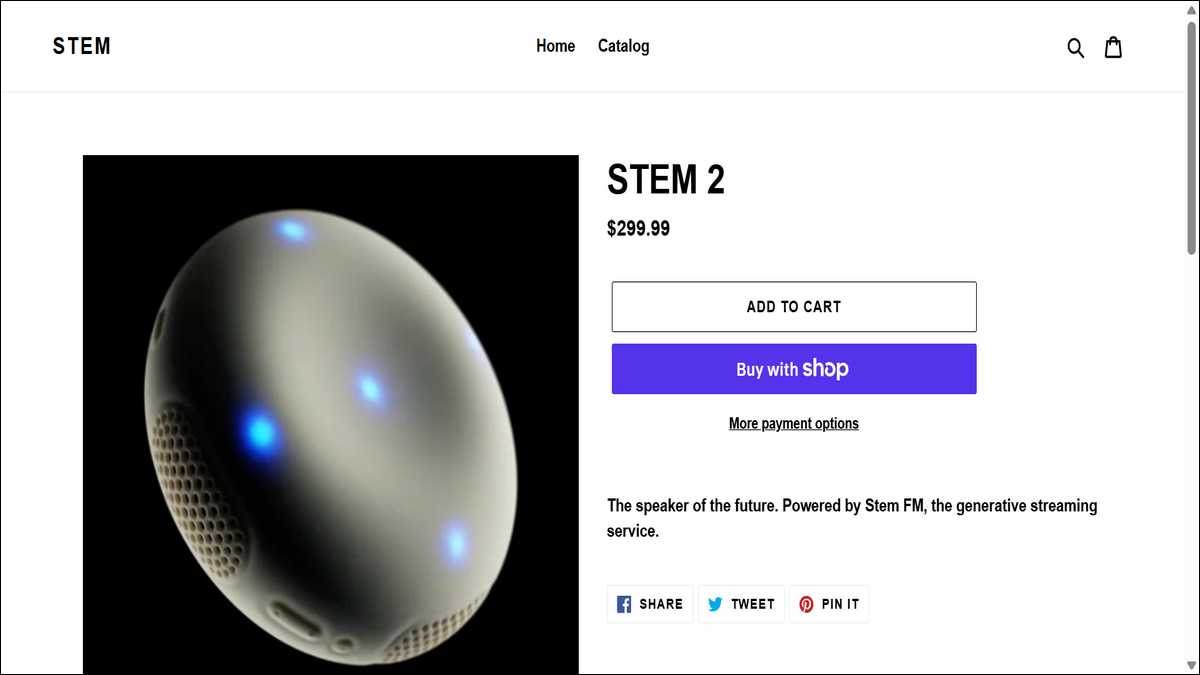
Most companies don’t survive that kind of storm. But, Kano did. And what emerged was something more ambitious than the original device — the Stem 2, currently listed at $299.99 on the official Stem shop.
The Stem 2 isn’t just a hardware upgrade. It’s the physical centerpiece of a larger ecosystem built around Stem FM, the company’s own AI-powered generative streaming service. That distinction is the whole ballgame when it comes to comparing these two products.
Also read: Erone S2TR2641E2 2 Button Remote Control
First Look — How These Two Devices Actually Feel
Before we get into features and specs, let’s talk about the physical experience. With both Stem devices, the way something feels in your hands is a deliberate part of the design, not an afterthought.
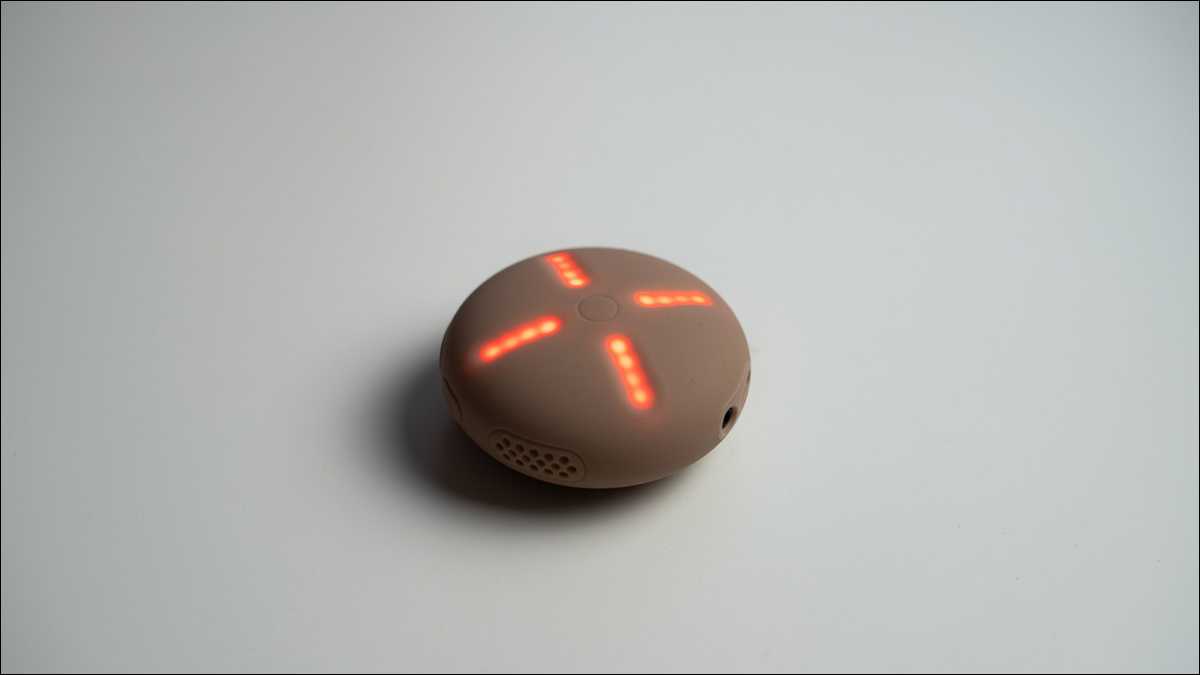
The original Stem Player is small and circular — roughly 7 centimeters in diameter. It’s soft to the touch. The material gives it an almost organic quality, somewhere between a stress ball and a piece of smooth stone.
Kano was very intentional about this. In an interview with GQ, Alex Klein explained the thinking directly:
“We wanted it to be soft and circular and multicolored and with lights and they have to appeal to your senses. We wanted to create emotional technology that’s also sensory — so not just these black screens, black boxes, squares that we feed information through, but something more that feels like an extension of your body.”
Four haptic sliders sit on the face of the device. Six physical buttons handle power, volume, and track navigation. There’s no screen. No display at all. You navigate everything through touch, light, and sound. The LED indicators pulse in sync with the music. It’s deliberately screenless — and that’s a philosophical choice, not a cost-cutting measure.
When you hold the original Stem Player, it communicates through feel. The sliders respond to your fingers. The device vibrates with the music. The lights breathe with the beat. It’s a sensory experience that earbuds, phones, and Bluetooth speakers simply don’t offer.
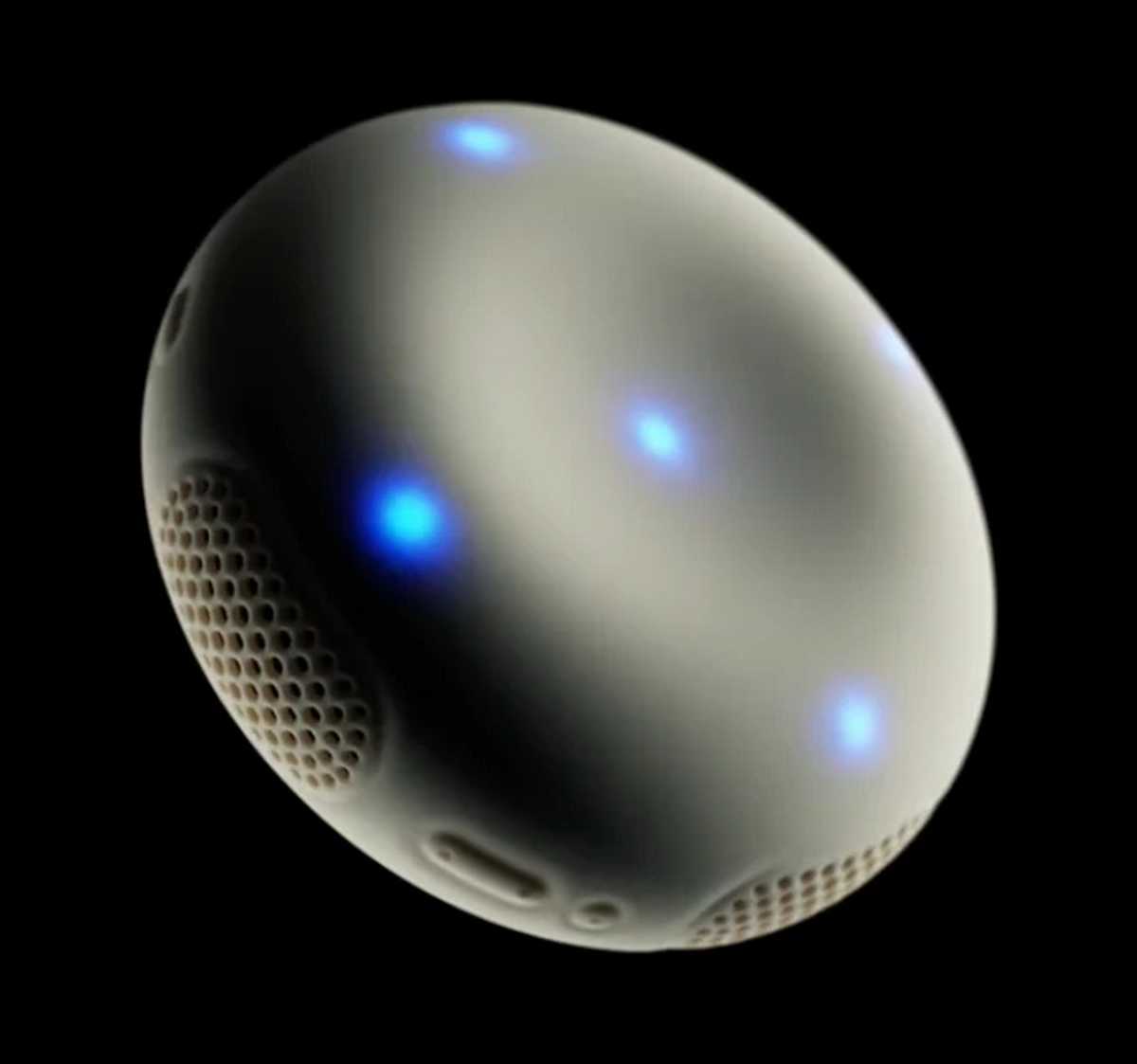
The Stem 2 shifts the form factor in a meaningful way, described on stemplayer.com as “the speaker of the future,” it moves toward a more speaker-centric design while keeping the same Stem DNA. It’s AI-native from the ground up — meaning the hardware was built with the Stem FM platform integrated from day one, not bolted on as a feature.
Where the original Stem Player was a personal remix tool you hold in your hand, the Stem 2 positions itself as an intelligent music companion. Same core spirit. Different physical presence.
That shift matters more than it might seem, and we’ll come back to it throughout this guide.
What the Original Stem Player Actually Does — Feature by Feature
Vague descriptions of “remix your music” don’t give you much to work with. So let’s get specific about what this device actually lets you do, and what that experience is really like.
- Stem manipulation is the headline feature. The four sliders each control one layer of a song — vocals, drums, bass, and samples. Drag a slider down and that element fades out. Push it back up and it returns. You can pull up a fully instrumental version of any song in about two seconds, just by moving your finger. It sounds simple. In practice, it’s surprisingly absorbing.
- Looping lets you isolate any section of a track and lock it into a repeating cycle in real time. This is where the device gets genuinely creative. Lock in a drum pattern, let the bass run under it, cut everything else out. It’s a rudimentary but effective way to experience music as a living, shapeable thing rather than a fixed recording.
- Speed control lives on the horizontal slider. Slow a track down or push it faster while it plays. The left side of the slider plays the song in reverse at various speeds — yes, backward playback is a real, usable feature. It’s not a gimmick either. Loop a reversed vocal over a stripped drum pattern and you’ll understand why people find this thing so addictive.
- Effects are handled through a dedicated menu — reverb, echo, and pitch manipulation accessible through the button and slider combination. These aren’t studio tools. But they’re real, functional, and fun to use live.
- Music loading works through the web portal at stemplayer.com. You upload a track, the platform’s AI splits it into four stems on Kano’s servers, and the separated stems are sent back to your device via USB-C. The device holds 8GB of music, so you’re curating a specific selection rather than carrying your entire library.
- Audio output from the 97dB built-in speaker is genuinely impressive for a device this size. It also supports a 3.5mm headphone jack and Bluetooth for external speakers. Battery life sits at 16 hours — solid for daily use.
What it doesn’t have: wireless music downloading, any streaming capability, or a screen. You work entirely with files you manually load. Depending on your perspective, that’s either a limitation or a feature. We’ll come back to that.
Also read: Siemens Hearing Machine Price: Read This Before You Buy
What the Stem 2 Actually Does — And Where It Goes Further
The Stem 2 carries everything the original established and adds a layer that fundamentally changes what kind of product you’re dealing with.
The biggest addition is Stem FM integration. Stem FM is the company’s own generative streaming service, and it is not like Spotify or Apple Music. As stemplayer.com describes it directly: “Hear in a new way. Discover new songs and artists. Create seamless playlists. Mix any songs with advanced transitions. DJ any song yourself, or let Stem AI DJ for you.”
That last line is worth sitting with. The original Stem Player requires you to manually load music and manually manipulate it. The Stem 2, through Stem FM, gives you an AI that can DJ for you — blending tracks, handling transitions, and creating a listening experience that is generative and evolving, not static and pre-selected.
This is a real shift. You’re no longer just the person at the controls. You can hand those controls to the AI and let it curate and mix in real time. Or you can take over and do it yourself. The device supports both modes comfortably, which means it works whether you’re in an active, creative headspace or just want great music flowing without thinking about it.
- Music discovery is also woven into the Stem FM experience. The original device was really about music you already owned. The Stem 2 is about finding new music through a platform that treats you as an active participant, not a passive consumer. It surfaces new artists and tracks in a way that feels appropriate to how you actually interact with music on this device.
- Advanced transitions between songs are handled by the AI — the kind of seamless beat-matched crossfading a DJ would do manually. The platform takes care of the technical side behind the scenes.
The core stem manipulation that made the original device compelling is still here. Vocals, drums, bass, samples — all controllable in real time. The foundation hasn’t been removed. It’s been built upon. That continuity matters.
Stem FM — Why the Platform Is the Real Story
We need to give Stem FM its own section, because it’s genuinely the most important part of the Stem 2 conversation and most discussions of this device underexplain it.
Stem FM is not a streaming service in the traditional sense. Spotify gives you a library. Apple Music gives you a library. Both deliver music passively. You press play, you listen, the transaction ends there.
Stem FM takes a different approach entirely. It is a generative streaming service — meaning the music experience isn’t just played back, it’s actively created and adapted based on how you interact with it. The AI isn’t simply recommending your next song. It’s mixing, transitioning, and building a continuous evolving audio experience around you.
Think of it less like a streaming app and more like having a personal AI DJ running a live set that responds to your taste and interaction in real time. One that knows when to drop the vocals out, when to extend a section, when to blend into the next track. It’s a fundamentally different relationship with music than what any existing streaming platform currently offers.
Stem FM is also the channel through which artists release exclusive content into the Stem ecosystem. Since the Kanye split, Kano has been building relationships with independent artists who use the platform as a direct-to-fan release mechanism.
Ghostface Killah, J Dilla estate content, Bhavi — all have dropped exclusive material through Stem. When you buy the Stem 2 and access Stem FM, you’re not just buying a speaker with smart features. You’re buying access to a music discovery ecosystem that is genuinely growing.
That’s a harder thing to put a number on than storage size or battery life. But for the right listener, it’s actually the most valuable part of the whole package.
Also read: DJI Fly App — Download, Install and Learn to Control Drones
Pricing — What You’re Actually Paying For
Let’s look at the numbers clearly, because the price difference deserves a transparent breakdown.
| Stem Player (Gen 1) | Stem 2 | |
|---|---|---|
| Price | $199 USD | $299.99 USD |
| Form Factor | Handheld remix device | AI-native smart speaker |
| Streaming Service | None | Stem FM integrated |
| AI DJ Feature | No | Yes |
| Music Discovery | No | Yes (via Stem FM) |
| Manual Stem Control | Yes — 4 haptic sliders | Yes |
| Speaker | 97dB built-in | Updated built-in |
| Storage | 8GB | Updated |
| Connectivity | Bluetooth, USB-C, 3.5mm | Bluetooth, USB-C |
| Screen | None | None |
| Battery | 16 hours | Updated |
| AI Stem Separation | Via web portal | Via Stem FM platform |
| Platform Status | Static | Actively developed |
Both products are available directly through the official Stem shop, and the pricing reflects more than just hardware differences.
The $100 gap between these two devices isn’t really about hardware differences. It’s about platform access. The Stem 2 is priced as a connected, evolving device — its value grows alongside Stem FM’s content library and AI capabilities over time. The original Stem Player is priced as a standalone tool.
Here’s the part most people don’t factor in. If you buy the original Stem Player in 2026, you’re buying hardware that is no longer receiving active firmware development. The device works. The sliders respond. The stems play. But it is a finished product — nothing meaningfully new is coming to it.
If you buy the Stem 2, you’re buying into a platform that Kano is actively building. That’s an ongoing investment in the product’s future, and it changes what that $100 actually represents.
The Limitations Nobody Talks About
Every product has real limitations. Both devices have theirs. You deserve to know what you’re walking into before you buy.
Original Stem Player — the honest picture:
The stem separation process is not done on the device itself. You upload a song through the web portal at stemplayer.com, the AI splits it into four stems on Kano’s servers, and those separated stems are sent back to your device via USB-C. That process takes time — sometimes frustratingly long, especially with longer tracks or during high-traffic periods on the portal. For a device that feels so tactile and immediate in use, the loading process is a jarring contrast.
There’s no wireless file downloading. Everything goes through a wired USB-C connection to your computer. In 2026, when almost everything is wireless, this feels like a friction point that shouldn’t exist.
The 8GB storage cap means you’re working with a curated selection of music, not your whole library. That’s not a dealbreaker for everyone — some people love the constraint. But if you want your entire catalog accessible, it’s not there.
Navigation without a screen takes getting used to. The LED indicator and haptic feedback system is well-designed, but there’s a real learning curve. Most users report a confusing first few sessions before the interface becomes intuitive.
And the biggest thing to know: the original Stem Player has not received firmware updates that meaningfully expanded its capabilities since launch. What you get today is fundamentally what launched in 2021.
Stem 2 — the honest picture:
The Stem 2 is newer, which means less community documentation, fewer long-term reviews, and a shorter track record to draw from. You’re buying into a product with less real-world testing behind it.
Stem FM is genuinely ambitious, but it’s still in active development. Features like AI DJing and generative streaming are novel concepts — and novel always comes with rough edges. The platform works, but it’s not a finished, polished experience yet.
At $299.99, the Stem 2 also competes with well-established smart speakers — Sonos, Bose, JBL — that have years of iteration behind them and much larger user communities. The Stem 2’s advantage over those devices lives entirely in its platform philosophy.
If AI-powered stem interaction and generative streaming don’t excite you, the competition at this price is real and mature.
Who the Original Stem Player Is Actually For
Despite being the older product, the original Stem Player is not obsolete. It still serves a specific kind of listener very well — and being clear about who that is matters.
You’ll get the most out of it if you already know what music you want on it, don’t need or want streaming, and are looking for a focused, hands-on remix experience with a curated set of songs. It’s a device built for active listening, not passive consumption. That distinction is everything with this product.
It suits people who are creatively curious about music but have no studio background. If you’ve ever wanted to hear what a favorite song sounds like stripped to just the drums and bass, the original Stem Player delivers that in a way nothing else does at this price. The barrier to entry is zero — no technical knowledge required.
Musicians, producers, and DJs at an exploratory or hobbyist level will find real value in it. It’s a creative tool in the best sense — something that pushes you to interact with music differently, without demanding anything of your technical skill set.
Where it falls short is as a primary listening device for someone who wants streaming, wireless loading, or a product that keeps growing over time. If those things matter to you, the original leaves a gap that the Stem 2 was built specifically to fill.
Who the Stem 2 Is Actually For
The Stem 2 is for the same kind of curious, musically engaged person as the original — but one who wants the full vision, not just the starting point.
If the idea of an AI DJ building and mixing a personalized set for you in real time genuinely interests you, the Stem 2 is built around exactly that. It’s not a buried feature — it’s the centerpiece of the Stem FM experience, as Kano describes in detail on stemplayer.com.
If discovering new music matters to you — particularly from independent artists releasing exclusively through the Stem ecosystem — the Stem 2 gives you access to that catalog in a way the original simply cannot.
If you want a device that’s actively being developed and improved, the Stem 2 is the clear call. Kano’s investment is going into this product and the Stem FM platform. Buying the Stem 2 means buying into that forward momentum, not a finished artifact.
It also suits early adopters who are comfortable with a platform still finding its feet. Stem FM is ambitious. Some parts of it are still maturing. The generative streaming concept is genuinely new — which means it carries the rough edges that every first serious implementation of a new idea carries.
If that tradeoff doesn’t put you off, and the vision of AI-native music interaction resonates with you, the Stem 2 delivers on that promise. Not perfectly yet, but promisingly and with a clear trajectory.
Also read: StarMusiq: Your Ultimate Source for Tamil Music Downloads
Sound Quality — What to Actually Expect From Both
This is the question a lot of buyers arrive at eventually, and it’s worth a straight answer rather than burying it in a spec table.
The original Stem Player was not designed primarily as a high-fidelity listening device. Its 97dB speaker is genuinely impressive for its physical size, but the device’s purpose has always been interaction first, audio quality second. For casual listening and creative play, it sounds good. For critical listening or audiophile expectations, it will fall short.
It does support lossless audio formats — FLAC, AIFF, WAV, ALAC — so the potential for high-quality audio is there at the file level. The speaker hardware is the limiting factor, not the file format support.
The Stem 2 makes a clearer commitment to sound quality as part of its identity. The shift from a handheld remix device to an AI-native speaker reflects a product team that took audio output more seriously in the second generation. “Speaker of the future” — the phrase Kano uses on stemplayer.com — isn’t a throwaway marketing line. It signals a deliberate repositioning around how the device sounds, not just how it interacts.
Both devices share an underlying philosophy, though, that separates them from conventional speakers entirely. The point was never to sit passively and hear great audio. The point is to engage with music actively — to remix, discover, and shape your listening experience in real time.
If you evaluate either device purely on audio quality, you’re measuring the wrong thing.
The Ecosystem Angle — Why Platform Matters More Than Hardware
Here’s a perspective most hardware-focused comparisons miss completely.
In 2026, the hardware is almost secondary. What you’re really choosing between with these two devices is which platform experience you want to be part of — and that’s a longer-term question than it might first appear.
The original Stem Player’s platform is, at this point, essentially closed. You can upload music, have it split, and load it onto the device. But no major new features are coming to that portal. No new platform partnerships. No expanding catalog of exclusive content built specifically for original Stem Player users. It’s a finished ecosystem.
The Stem 2’s ecosystem — Stem FM — is the opposite of that. New artist partnerships are being built. The AI DJ feature is being refined. The generative streaming model is being pushed toward a more complete implementation. Kano is putting its resources into this platform, and that investment will show over time.
The practical way to think about it: the original Stem Player is a finished product you own. The Stem 2 is a growing product you’re joining. Both have value, but they represent a different kind of relationship with the thing you’re buying.
To put it plainly — buying the original today is like buying a great record player. It does exactly what it’s supposed to do, reliably and satisfyingly. Buying the Stem 2 is more like subscribing to a service that’s still being built, where the best parts may not have shipped yet.
Also read: Top 10 iTunes Alternative To Play Music
What Real Users Are Actually Saying
Beyond the marketing, real user feedback gives us a more grounded view of both devices. And there’s a surprising amount of it to draw from.
The Stem Player community on Discord grew to over 50,000 members with more than 638,000 messages — a meaningful signal of how engaged the user base became. Notably, Time Magazine named it a Best Invention of 2022 — recognition that reflected not just the product’s novelty but its genuine cultural resonance. The device also generated over 622 million views under the #stemplayer hashtag on TikTok. That kind of organic reach doesn’t happen with a product people are indifferent about.
Consistent praise from original device users centers on the tactile experience. The physical act of sliding a finger to drop the vocals, looping a drum break, reversing a sample — it delivers on its promise in a way that feels genuinely different from anything else. The most common complaints center on the USB-only loading process and the stem separation speed from the portal. Both are real friction points that didn’t get resolved through updates.
One customer quote that Alex Klein himself has referenced in multiple interviews: “This is the best first-generation technology product I’ve used since the iPhone.”
That’s a specific kind of user talking — someone who engaged deeply with what the device was actually trying to do, not someone who evaluated it as a music player.
Stem 2 user feedback is still limited given its recency, but early responses consistently highlight the Stem FM integration as the standout differentiator. The AI DJ experience draws the most attention.
The most common ask from early adopters is for Stem FM’s music catalog to grow faster — which is the most predictable early-stage complaint for any new streaming platform, and a solvable one.
A Word on the Company Behind Both Products
When you’re spending $200 or $300 on a niche product from a company that’s been through real turbulence — a high-profile celebrity split, corporate administration, a full restructure — it’s reasonable to ask whether the company is stable enough to back up what you’re buying.
Based on everything publicly known as of 2026, the honest answer is a cautious yes. Kano went into administration in June 2023 and was reacquired by CEO Alex Klein through a restructured entity. The company kept operating.
The Stem 2 is live on the official shop. Stem FM is running. The original vision — making technology that is sensory, embodied, and puts people in creative control — still visibly drives the company’s direction.
The departure from Kanye was painful for Kano’s public profile. No question. But the ability to rebuild — with Ghostface Killah, J Dilla estate collaborations, Bhavi, and new Stem FM partnerships — suggests a product team that is genuinely still building, not just coasting on past momentum.
That said, buying from a smaller restructured company always carries more inherent risk than buying from a major consumer electronics brand. That’s just honest. If long-term device support and ironclad customer service are your top priorities, that context is worth sitting with before you buy.
Practical Buying Advice — Before You Click “Add to Cart”
A few things worth thinking through carefully before you make a decision either way.
Think about how you actually listen to music
If you’re predominantly a passive listener — someone who puts on a playlist and gets on with their day — neither device is really optimized for that use case. Both Stem devices reward active engagement. If you want to be involved in your music, they shine. If you want music to be wallpaper, something else might serve you better.
Think about whether streaming matters to you
The original Stem Player has zero streaming capability. You work entirely with files you load manually through the portal at stemplayer.com. If that sounds liberating, perfect — the original works beautifully for that focused experience. If that sounds like unnecessary friction, the Stem 2 resolves it through Stem FM.
Think about your relationship with early-stage platforms
Stem FM is new and still evolving. If you need a product to be fully formed before you adopt it, the Stem 2’s current state will feel incomplete. If you’re someone who finds early adoption energizing, the Stem 2 is genuinely exciting right now.
Think about the $100 honestly
The price difference is real money. If the original Stem Player’s core experience — stem manipulation, hands-on remixing, no streaming dependency — satisfies what drew you to these devices in the first place, there’s no compelling reason to stretch for the Stem 2. The extra spend only makes sense if the Stem FM and AI DJ additions are things you’ll genuinely use regularly.
If this is a gift, factor in the learning curve
The original Stem Player is more immediately engaging for someone who hasn’t encountered either device before. The Stem 2’s value requires some investment in understanding what Stem FM is and does. For a gift, the original typically lands better — unless the recipient is already familiar with what Stem is building.
The Bigger Picture — What Both Devices Are Really Saying
Step back for a moment and look at what both of these devices represent beyond the spec sheets and price tags.
The original Stem Player arrived at a time when music consumption had become almost entirely passive. Streaming platforms solved the access problem — every song ever made, available anywhere, instantly. But in solving access, they also flattened the listening experience down to: press play, shuffle, skip, repeat.
The Stem Player pushed back against that. It said — what if music was something you touched and shaped? What if listening was participation, not just consumption? What if the value exchange between artist and fan was direct, physical, and free from a platform taking 88% of what the music was worth?
That message resonated. $2.2 million on day one. A Time Best Invention recognition. A 75,000-person Discord community. TikTok views in the hundreds of millions. People were ready for that idea.
The Stem 2 takes the same philosophy and asks a follow-up question: what if the AI helped shape the experience too? What if the device learned your taste and generated a listening experience that was uniquely yours — one that couldn’t exist on any other platform because it was being built in real time, specifically for you?
That’s more ambitious. It’s also less certain — you’re betting on a platform delivering its full promise over time, not just on hardware you can hold in your hand today.
Whether you go with the original Stem Player or the Stem 2, you’re not just buying a device. You’re choosing a position on what music listening should actually feel like.
One position is fully formed and ready to deliver on that promise right now. The other is still becoming what it intends to be — but the direction is clear, and it’s a compelling one.
Both positions are worth considering seriously. The right one for you depends entirely on which of those two things you value more.