ThotHub: How to Block All Ads
Learn how to easily block all ThotHub ads with simple tools, step-by-step tips, and privacy advice in this helpful guide. Let’s block all the annoying ads!
ThotHub, like many adult sites, relies on ads for revenue. These ads often include pop-ups, banners, and redirects. They can disrupt your browsing or even pose security risks. I’ve clicked an ad by mistake and regretted it. Blocking ads improves your experience and protects your device.
Some ads track your activity. This feels invasive and can compromise privacy. Others slow down page loading, which is frustrating. Malware is another concern, as shady ads may carry risks. Blocking ads ensures safer, faster browsing. Let’s look at how to do it.
Using Browser Extensions to Block Ads
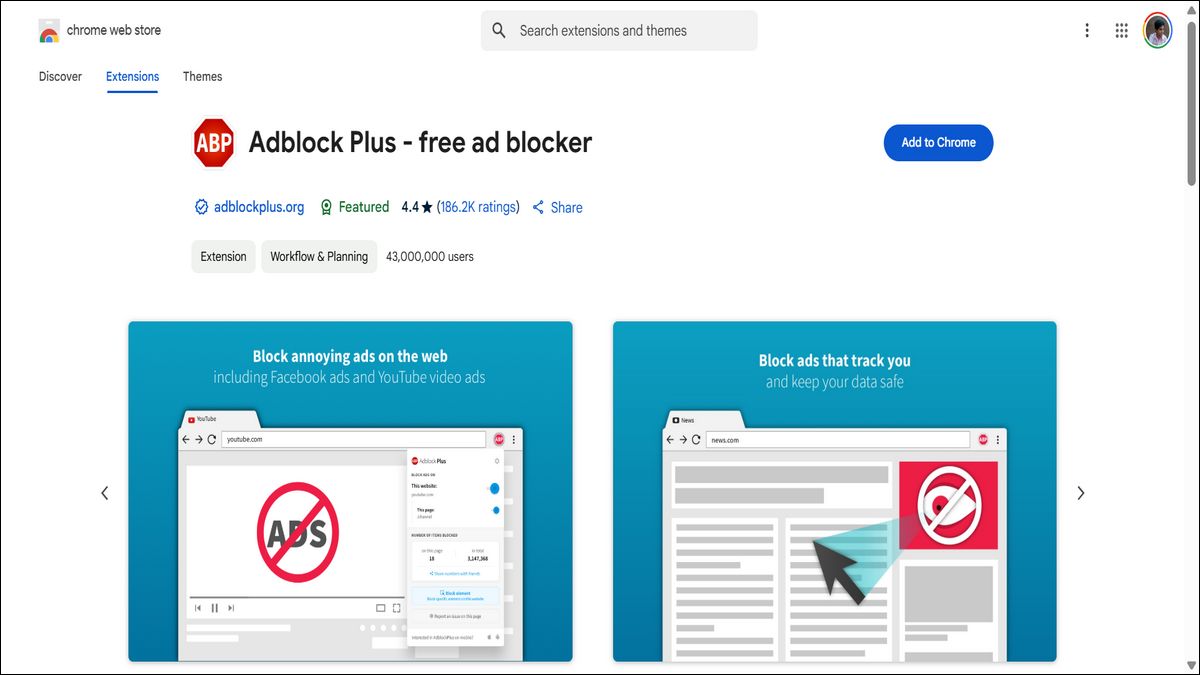
Browser extensions are the easiest way to block ads. I use them daily for a cleaner web experience. Popular options include AdBlock Plus and uBlock Origin Lite. They work on Chrome, Firefox, and Edge. Install one, and most ThotHub ads disappear instantly.
To install, visit the extension’s official site or your browser’s store. Click “Add to Browser” and follow the prompts. Once active, these tools block pop-ups, banners, and trackers. uBlock Origin is lightweight and highly customizable, which I prefer. Try it for best results.
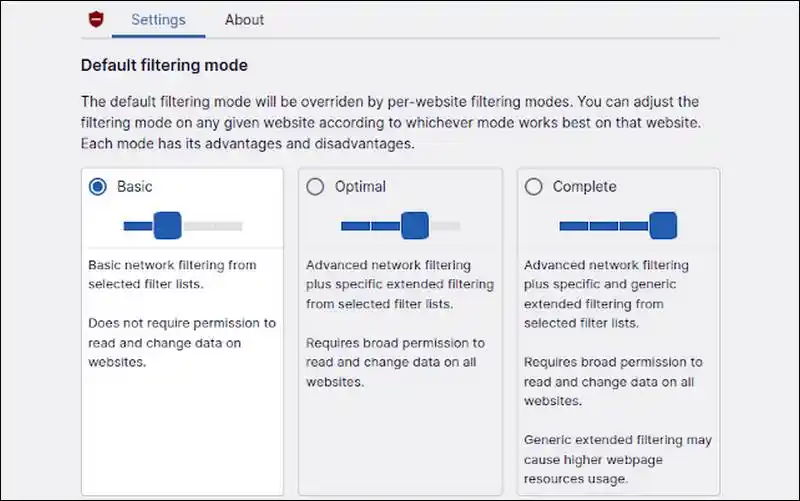
Some extensions let you tweak settings. For ThotHub, enable strict blocking modes to catch sneaky ads. Check the extension’s dashboard for options. If ads still appear, update the filter lists. This keeps your blocker effective against new ad types.
Also read: Disable Ads on Fapello
Comparing Ad-Blocking Extensions
| Extension | Pros | Cons | Best For |
|---|---|---|---|
| AdBlock Plus | Easy to use, widely supported | May allow some “acceptable” ads | Beginners, casual users |
| uBlock Origin | Lightweight, highly customizable | Requires manual setup for advanced use | Tech-savvy users, strict blocking |
| Ghostery | Blocks trackers and ads, privacy-focused | Slightly complex interface | Privacy-conscious users |
This table helps you pick the right extension. Your needs and tech comfort level matter.

Blocking Ads on Mobile Devices
Mobile browsing on ThotHub is trickier. Ads often appear as pop-ups or full-screen banners. I’ve found mobile ad blockers make a big difference. For Android, try AdGuard or Blokada.
On iOS, use AdBlock or Safari’s built-in settings. These tools reduce interruptions.
For Android, download AdGuard from its website, not the Play Store. Enable it, and it filters ads across apps and browsers.
iOS users can enable Safari’s content blockers in Settings. Go to “Safari” and turn on “Block Pop-ups.” Add an app like AdBlock for extra protection.
Here’s how you can do that even without installing an application on Android:
- Open settings on your Android phone.
- Then, search ‘DNS‘, and choose ‘Select Private DNS Mode‘
- Then, enter this: dns.adguard.com and hit the Save button.
And that’s it. Now, reload the website’s page, and you’ll see that most all of ads have disappeared.
Mobile ad blockers may need setup. Follow the app’s instructions to enable filters. Some, like AdGuard, offer premium versions for advanced features. Free versions usually work well for ThotHub. Test different apps to find what suits you.
Also read: Disable Ads on Noodle Magazine
Configuring Your Browser Settings
Browsers have built-in ad-blocking features. I always check these first before adding extensions. Chrome, Firefox, and Safari offer pop-up blockers. They’re not as strong as extensions but help with basic ads. For ThotHub, combine them with other tools.

On Chrome, go to Settings > Privacy and Security > Site Settings. Select “Pop-ups and Redirects” and choose “Don’t allow.” Firefox has similar options under Privacy & Security. Safari’s settings are under “Websites” in Preferences. Enable these to reduce ThotHub pop-ups.
Browser settings alone won’t block all ads. ThotHub uses aggressive ad scripts that slip through. Pair these settings with an extension like uBlock Origin. This combination catches most ads and keeps your browsing smooth.

Using a Pi-hole for Network-Wide Ad Blocking on ThotHub
Pi-hole is a powerful tool for tech enthusiasts. It blocks ads across your entire network. I set one up at home, and it’s a game-changer. It filters ThotHub ads before they reach your device. You need a Raspberry Pi or similar device to run it.
Install Pi-hole on your device following its official guide. Configure your router to use Pi-hole as the DNS server. Add blocklists for adult site ads, like those shared on Reddit forums. This stops most ThotHub ads network-wide.
Pi-hole requires some technical know-how. If you’re not comfortable with DNS settings, stick to extensions. But if you want ad-free browsing on all devices, Pi-hole is worth the effort. It’s especially effective for smart TVs and consoles.
Browser vs. Network-Wide Ad Blocking
| Method | Pros | Cons | Best For |
|---|---|---|---|
| Browser Extensions | Easy setup, free, customizable | Device-specific, may miss some ads | Most users, quick fixes |
| Browser Settings | Built-in, no installation needed | Limited blocking power | Basic ad blocking, beginners |
| Pi-hole | Blocks ads network-wide, powerful | Requires hardware and setup | Tech enthusiasts, home networks |
This table shows which method fits your needs. Choose based on your setup and skills.
Avoiding Risks When Blocking Ads on ThotHub
Blocking ads on ThotHub can have risks. Some sites detect ad blockers and restrict access. I’ve seen ThotHub prompt users to disable blockers. To bypass this, tweak your extension’s settings. uBlock Origin’s “dynamic filtering” often solves this issue.
Malware is another concern. ThotHub has been flagged for riskware by Malwarebytes. Avoid clicking ads, as they may lead to harmful sites. Use a reputable blocker and keep your antivirus updated. This keeps your device safe.
Some ad blockers slow down browsing. Choose lightweight options like uBlock Origin Lite. Test performance after installation. If ThotHub loads slowly, adjust filter lists or try a different blocker. Safety and speed are key.
Bypassing Ad Blocker Detection
ThotHub may use anti-adblock scripts. These detect blockers and demand you disable them. I’ve faced this annoyance before. To bypass, use uBlock Origin’s advanced mode. Enable “I am an advanced user” in settings and block specific scripts manually.
Also read: Moviesda.com
Another trick is using a browser in incognito mode. Some anti-adblock scripts don’t work here. Alternatively, try a different browser. If Chrome fails, test Firefox with the same blocker. This often outsmarts ThotHub’s detection.
If all else fails, clear your browser cache. Anti-adblock scripts sometimes rely on stored data. Clearing it can reset the detection. Be patient and experiment with these workarounds for an ad-free experience.

Using VPNs for Extra Privacy
VPNs don’t block ads directly, but they boost privacy. ThotHub ads often track your activity. A VPN hides your IP and encrypts your connection. I use one for sensitive browsing. NordVPN or ExpressVPN are reliable choices.
Set up your VPN before visiting ThotHub. Choose a server in a privacy-friendly country. This reduces tracking by ads and the site itself. Combine a VPN with an ad blocker for maximum protection.
Free VPNs can be risky. Some sell your data or show ads. Stick to paid, trusted providers. They cost $3-$10 monthly but ensure safety. Your privacy is worth the investment when browsing sites like ThotHub.

Why Some Ads Still Slip Through
Even with blockers, some ThotHub ads may appear. The site uses advanced ad scripts to bypass filters. I’ve noticed this with video ads. Update your blocker’s filter lists regularly. uBlock Origin’s “EasyList” and “EasyPrivacy” catch most stragglers.
ThotHub may also use native ads. These blend into the site’s content, tricking blockers. Manually block these via your extension’s element picker. Right-click the ad and select “Block Element.” This takes seconds and removes stubborn ads.
If ads persist, check your setup. Ensure extensions are active and filters are updated. Restart your browser after changes. Persistent ads are rare with the right tools and tweaks.
Preparing for Safe Browsing
Before visiting ThotHub, secure your device. Install a trusted ad blocker and antivirus. I use Malwarebytes alongside uBlock Origin. Keep your browser updated to patch vulnerabilities. This reduces risks from malicious ads.
Avoid clicking unknown links on ThotHub. Ads often lead to scam sites. If you’re unsure, use a virtual machine or secondary device for browsing. This protects your main device from potential threats.
Backup your data regularly. If an ad infects your device, you won’t lose important files. Safe browsing starts with preparation. A little effort upfront saves headaches later.
Also read: 5 Best Ads Blocking Apps For Android
Final Tips for an Ad-Free ThotHub
Blocking ads on ThotHub is simple process with the right tools. Use uBlock Origin lite for desktops and AdGuard for mobiles. Combine with browser settings for extra protection. A VPN adds privacy, and Pi-hole offers network-wide blocking. I’ve tested these methods, and they work.
Stay vigilant. Update your blockers and avoid risky clicks. Experiment with settings if ads slip through. With these steps, you’ll enjoy ThotHub without annoying ads. Browse safely and stress-free.
FAQ: Blocking Ads on ThotHub
Use browser extensions like uBlock Origin or AdBlock Plus. For mobile, try AdGuard. Enable strict filters to stop pop-ups and banners.
Yes, trusted blockers like uBlock Origin are safe. Combine with antivirus software. Avoid clicking suspicious ads to stay secure.
ThotHub uses advanced ad scripts. Update your blocker’s filter lists. Use uBlock Origin’s element picker to manually block stubborn ads.
Yes, use AdGuard for Android or AdBlock for iOS. Enable Safari’s pop-up blocker on iPhone. These tools reduce mobile ads.
VPNs don’t block ads but hide your IP for privacy. Use NordVPN with an ad blocker for better protection on ThotHub.
Use uBlock Origin’s advanced mode to bypass detection. Try incognito mode or clear your cache. Switch browsers if needed.