15 Best Online Games With Intense Battles [2026] Ranked by Skill & Adrenaline

These 15 games stand out right now for their intense online battles. They combine strong skill demands with real stakes and mechanics that keep pressure high during fights. The selection mixes tactical shooters, battle royales, MOBAs, fighting games, and large-scale titles based on current player activity and how directly each one creates tension.
You’ll find honest notes on limitations such as learning curves or regional differences. Every game offers something distinct, and the table below gives a quick overview before we dive into the details.
Comparison of Key Intensity Factors
This table focuses on the essentials so it stays easy to read on phones and tablets. You can swipe horizontally on smaller screens if needed.
| Game | Battle Type | Intensity Driver | Player Context & Notes (2026) |
|---|---|---|---|
| Counter-Strike 2 | Tactical 5v5 | Economy + aim duels | 500k+ Steam peaks. Steep learning curve for beginners. |
| Valorant | Tactical hero 5v5 | Ability timing + gun skill | Millions of monthly players. Balance shifts with patches. |
| Fortnite | Battle royale | Building + storm pressure | ~1.3M daily users. Mobile building feels less precise. |
| Apex Legends | Hero battle royale | Movement + abilities | Strong cross-play. Higher ranks feel very competitive. |
| PUBG: BATTLEGROUNDS | Realistic BR | Positioning + lethality | Solid concurrent numbers. Hot drops end fights fast. |
| League of Legends | MOBA team fights | Macro + team fights | 130M+ monthly active. Matches often last 30-60 min. |
| Dota 2 | Complex MOBA | Itemization + map control | ~300k Steam peaks. Longer learning curve than most. |
| Tekken 8 | 3D fighting 1v1 | Execution + reads | Active ranked scene. Execution barrier for new players. |
| Street Fighter 6 | 2D fighting 1v1 | Mind games + drive system | Steady competitive scene. Needs regular practice. |
| The Finals | Objective shooter | Destruction + creativity | Smaller player base. Queues can vary by region/time. |
| Escape from Tarkov | Extraction PvPvE | Gear fear + sound design | Dedicated following. High cost of failure per raid. |
| Chivalry 2 | Large melee battles | Chaotic team objectives | Loyal niche community. Can feel random without coordination. |
| Planetside 2 | Massive scale FPS | Combined arms + base fights | ~15k daily across platforms. Lower pop slows queues. |
| Rocket League | Car soccer/battles | Aerial mechanics + overtime | Steady ranked engagement. Mechanical ceiling frustrates some. |
| Overwatch 2 | Hero team shooter | Ult economy + synergy | Consistent engagement. Past balance issues still noted. |
With that overview in mind, let’s break them down one by one so you can see exactly what makes each battle feel intense.

1. Counter-Strike 2
Counter-Strike 2 delivers some of the cleanest tactical intensity you’ll find online right now. Short rounds force you to make quick choices about fighting, saving, or pushing, and that’s why the economy links every round to the next one.
In practice, good utility use and pre-aiming common angles often decide close rounds. Steam Charts data from mid-2026 showed frequent peaks above 500,000 concurrent players. Because of that, lobbies stay competitive in most regions, and the game feels responsive on stable connections.
Many players notice that precise aim and team coordination matter more than raw mechanical speed here. It does carry a steep learning curve for newcomers, and occasional cheaters or high ping can disrupt the flow even with ongoing anti-cheat work. The title stays free to play on PC.
Key points for quick reference
- Economy system links rounds directly and creates constant pressure.
- Steam Charts reported peaks above 500,000 concurrent players in mid-2026.
- Strong utility and pre-aiming separate consistent players from the rest.
- Steep curve exists for new players, and high ping affects the experience.
Also read:

2. Valorant
Valorant builds intense battles by mixing precise gunplay with agent abilities that reward good timing and coordination. Every round carries weight because both economy and ultimate points matter, so you’ll feel the pressure build quickly.
Players who spend time on lineups and agent synergies often see more clutch wins after focused practice. Tracking services show millions of monthly players, and cross-play helps keep queues moving. Ranked matches create real pressure since mistakes compound fast.
The skill ceiling stays high even after many hours. Some patches shift which agents feel strongest, so the meta changes from time to time. It remains free to play, with the strongest experience on PC and expanding console support.
Key points for quick reference
- Ability timing combined with gun skill creates frequent swing moments.
- Millions of monthly players keep matchmaking active.
- Ranked pressure builds because mistakes add up fast.
- Agent balance shifts with patches, which affects the current meta.

3. Fortnite
Fortnite delivers intense battles through building fights, zero-build gunplay, and the constant pressure of the shrinking storm. Hot drops and late circles force fast thinking and solid mechanical execution, and that’s part of what keeps matches exciting.
Player tracking estimates placed average daily users near 1.3 million in recent periods, with clear spikes during major events. Building adds a skill layer that rewards practice in creative mode, while zero-build lowers the entry point for pure shooting fans.
You’ll also want to know that mobile controls make precise building harder, which reduces some intensity on phones. Console and PC versions feel more responsive. The game stays free to play across platforms and maintains short queue times thanks to its large player pool.
Key points for quick reference
- Storm pressure and building fights create ongoing tension.
- Average daily users sat near 1.3 million in recent tracking.
- Zero-build mode helps players who prefer straight gunplay.
- Mobile controls limit building precision compared with PC or console.

4. Apex Legends
Apex Legends produces fast battles where movement and legend abilities create frequent chances to outplay opponents. The time-to-kill allows skilled players to win disadvantaged fights through good positioning and ability use, so the pace stays high.
Testing movement options like slides and wall bounces shows clear rewards after deliberate practice. Cross-play keeps lobbies healthy across platforms. Ranked play feels especially tense once you reach higher tiers.
The hero roster adds variety but requires learning matchups. Balance changes appear with new seasons. It stays free to play on PC, PlayStation, and Xbox with cross-progression support.
Key points for quick reference
- Movement tech and ability combos enable strong outplays.
- Cross-play supports healthy queue times on all platforms.
- Higher ranks feel very competitive for most players.
- Learning hero matchups takes time but improves results.
5. PUBG: BATTLEGROUNDS
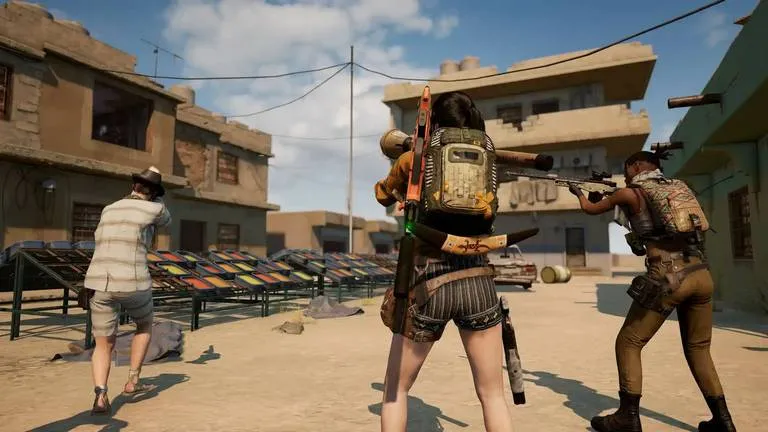
PUBG creates tense battles through realistic gunplay, strong sound design, and the constant risk of third parties. Positioning often decides outcomes more than pure aim, and late circles turn open areas into high-risk zones.
Hot drops produce very quick, high-stakes fights that test immediate decisions. Steam concurrent numbers stay respectable in 2026. The game supports PC, console, and mobile, though control schemes differ.
On top of that, mobile versions simplify inputs and reduce some mechanical depth. Sound cues help locate enemies once you learn the maps. The realistic lethality means one mistake often ends engagements fast. It remains free to play with battle pass options.
Key points for quick reference
- Positioning and sound design drive most successful fights.
- Steam concurrent figures remain solid through 2026.
- Hot drops create very fast, high-stakes moments.
- Mobile controls simplify the experience compared with PC.

6. League of Legends
League of Legends builds intense battles through escalating macro decisions and large team fights that can swing on single picks or objective steals. Matches often last 30 to 60 minutes, so momentum shifts carry real weight throughout.
The game reports over 130 million monthly active players. Vision control and objective timing separate stronger teams from average ones, and comeback potential stays high until late in many games.
That said, long match times can feel draining on some days. The learning curve for champions and macro concepts takes dedicated effort. It runs primarily on PC and stays free to play with cosmetic options.
Key points for quick reference
- Macro decisions and team fights create swing moments.
- Over 130 million monthly active players support active play.
- Matches commonly run 30-60 minutes.
- Comeback potential remains high in most games.
Also read:

7. Dota 2
Dota 2 produces complex and intense team battles through deep itemization, hero synergies, and map-wide strategy. Fights often involve five players coordinating spells and positioning over several seconds, which adds layers of tension.
Steam shows around 300,000 concurrent players during peak hours. The game rewards long-term study of drafts and power spikes. A single positioning error can lose an entire team fight.
Plus, the learning period feels longer than most other titles here. Matches regularly exceed 40 minutes. Strong community resources exist, but consistent improvement requires patience. It stays free to play on PC.
Key points for quick reference
- Itemization and map control create layered strategy.
- Around 300,000 concurrent players appear on Steam peaks.
- Matches often run longer than 40 minutes.
- Learning curve stays steeper than many other games.

8. Tekken 8
Tekken 8 creates intense 1v1 battles through execution demands, sidestep reads, and the heat system that rewards aggressive yet calculated play. Every round tests both mechanical skill and mental adaptation, so the pressure stays personal.
Ranked play builds genuine pressure because losses affect visible progress. The game maintains an active competitive scene with ongoing support. Console and PC versions perform well with low input lag on stable setups.
New players face a noticeable execution barrier at first. Online ranked requires consistent practice to climb. It uses a buy-to-play model with additional cosmetic options.
Key points for quick reference
- Execution and reads decide most high-level rounds.
- Active ranked scene continues with regular support.
- Execution barrier exists for players new to fighting games.
- Buy-to-play model with cosmetic purchases available.

9. Street Fighter 6
Street Fighter 6 delivers sharp 1v1 intensity through mind games, drive system management, and the choice between modern and classic controls. Footsies and whiff punishing create constant tension even in neutral play.
Modern controls help newer players access core mechanics faster while classic controls reward deeper execution. The ranked ladder stays active with regular balance updates. PC and console both support smooth online play.
High-level matches reward reading opponents more than pure button mashing. The game carries a buy-to-play price but includes robust online features. Consistent training mode work translates directly to better results.
Key points for quick reference
- Mind games and drive system create ongoing tension.
- Modern controls lower the barrier while classic rewards depth.
- Ranked requires regular consistency to climb.
- Buy-to-play model with strong online support.

10. The Finals
The Finals generates chaotic yet strategic battles through full environmental destruction and creative gadget use. Collapsing structures and vertical plays add layers that standard shooters often lack, which keeps things fresh.
Objective pressure stays high because teams must hold or capture points while the map changes. The player base remains smaller than mainstream battle royales, which can mean longer queues in some regions and times. PC and console versions both run well.
Destruction creates memorable moments but also occasional frustration when buildings fall unexpectedly. The game stays free to play. Learning gadget combos and destruction patterns improves results after several sessions.
Key points for quick reference
- Destruction and creative gadget plays add unique layers.
- Smaller player base can lead to longer queues in off-peak times.
- Objective pressure stays high throughout matches.
- Free to play on PC and console.

11. Escape from Tarkov
Escape from Tarkov produces extreme tension through gear fear, realistic sound design, and the risk of losing everything in a single raid. PvP encounters feel heavy because death carries permanent consequences for your loadout.
Sound cues and map knowledge often decide fights before shots fire. The dedicated player base supports a strong community for grouping. PC remains the main platform with premium editions available.
The high cost of failure can feel punishing on bad days. New players benefit from offline practice and map guides before jumping into online raids. The experience rewards patience and careful planning over aggressive rushing.
Key points for quick reference
- Gear fear and sound design create heavy tension.
- Dedicated community supports grouping for raids.
- High cost of failure per raid affects how matches feel.
- Premium editions available on PC.
12. Chivalry 2
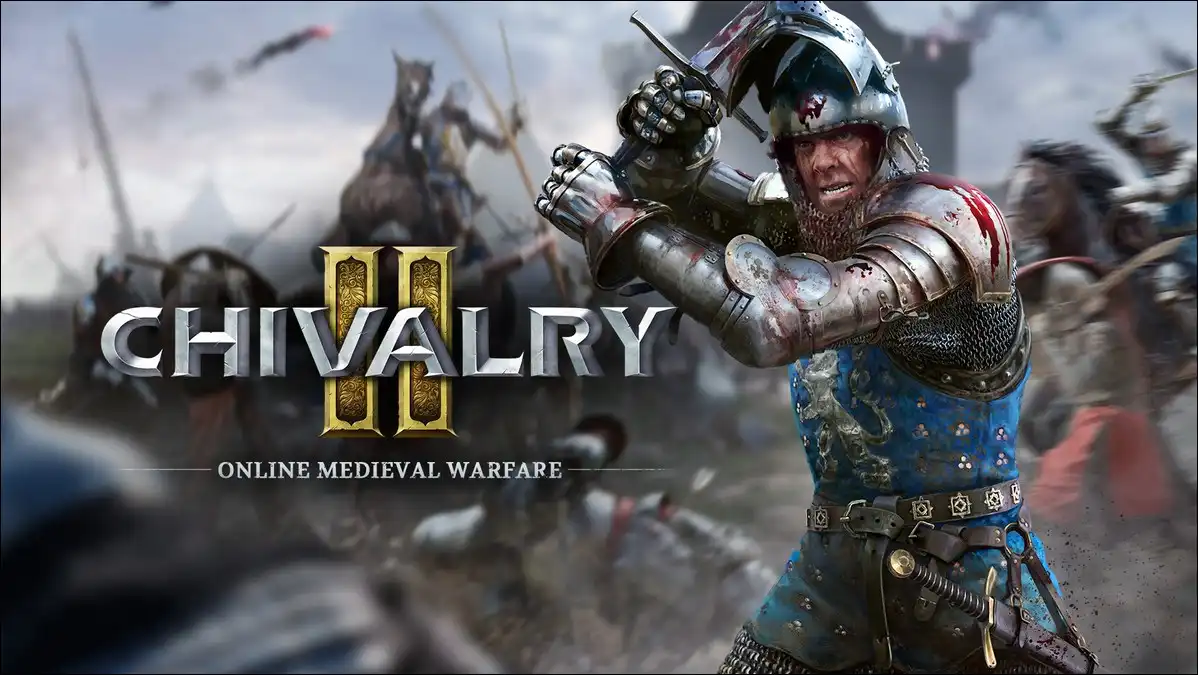
Chivalry 2 creates visceral, large-scale melee battles where team objectives and chaotic fights produce constant action. Sieges and open-field clashes mix personal duels with group coordination, so the energy stays high.
Voice lines and simple objectives help teams stay organized even in big matches. The community stays loyal despite a smaller overall population than mainstream shooters. PC and console versions support cross-play in some modes.
Fights can feel random when teams lack coordination. Learning footwork and attack patterns improves survival rates quickly. The game uses a buy-to-play model with occasional updates.
Key points for quick reference
- Chaotic team objectives create constant action.
- Loyal community supports play despite smaller population.
- Coordination reduces randomness in larger fights.
- Buy-to-play model with cross-play on some platforms.

13. Planetside 2
Planetside 2 supports massive combined-arms battles where infantry, vehicles, and aircraft interact across large maps. Base captures create ongoing objectives that pull players into prolonged fights, which gives the scale real weight.
The design allows individual actions to matter within huge engagements when servers fill. Daily player numbers sit lower than top titles, around 15,000 across platforms in recent estimates. This can slow queue times during off-peak hours.
Scale creates epic moments that smaller games rarely match. PC serves as the primary platform with a PlayStation version available. It stays free to play with membership options for convenience.
Key points for quick reference
- Combined arms and base fights create large-scale moments.
- Around 15,000 daily players across platforms in recent data.
- Lower population can slow queues during off-peak times.
- Free to play with membership options available.
Also read:

14. Rocket League
Rocket League turns car soccer into intense mechanical battles through aerial plays, saves, and overtime drama. Fast matches and ranked progression keep every game feeling consequential, and that’s why the mechanical side shines.
Aerial control and rotation awareness separate strong players from average ones after deliberate practice. The game maintains steady engagement across PC and console with cross-play. It stays free to play with cosmetic items.
Mechanical mistakes get punished visibly and immediately. Some players find the aerial ceiling frustrating without consistent training. Short match length helps maintain focus during sessions.
Key points for quick reference
- Aerial mechanics and overtime create constant drama.
- Steady ranked engagement across PC and console.
- Mechanical mistakes get punished quickly and visibly.
- Free to play with cosmetic purchases.

15. Overwatch 2
Overwatch 2 builds team-fight intensity through ultimate economy and ability synergy that can swing fights in seconds. Coordinated ult combos create dramatic turnarounds when teams execute well, so the momentum shifts feel big.
Objective play forces constant positioning decisions under pressure. Player sentiment has varied over time due to past balance discussions, yet many matches still deliver strong tension. Cross-play across PC and console helps maintain lobbies.
Learning hero matchups and ult tracking improves results noticeably. The game stays free to play. Stacking with voice communication reduces some frustration from uncoordinated play.
Key points for quick reference
- Ultimate economy and ability synergy create swing fights.
- Cross-play helps maintain active lobbies.
- Past balance discussions still appear in player feedback.
- Free to play on PC and console.
Now that we’ve looked at the games themselves, here are a few habits that can help you get more out of intense matches without adding extra stress.
Practical Tips for Getting the Most From Intense Battles
A few simple habits can help you enjoy intense battles more consistently. Stable connections and short warm-ups make a noticeable difference in how matches feel, and you can start with the ones that fit your setup easiest.
- You can use a wired connection when possible for the lowest and most stable latency.
- It often helps to spend 10 to 15 minutes in aim trainers or deathmatch modes before ranked sessions.
- Learning basic map callouts and common angles in tactical games can improve team play over time.
- You might want to take short breaks after tough losses so tilt doesn’t affect the next match.
- Checking region-specific queue times if waits feel long, and playing during your local peak hours, can make a difference.
These steps support better focus without requiring major changes to your setup.
The games above reward different types of skill and offer varied levels of intensity. Tactical titles emphasize precision and patience. Battle royales mix chaos with smart positioning. Fighting games test execution and reads. Large-scale experiences create emergent stories through team or individual actions.
You can start with free-to-play options that match the pace you enjoy. Testing a few titles across categories helps you find which pressure level feels most engaging. Consistent practice and stable connections usually make the biggest difference in results over time.