
After hearing a lot, I finally downloaded Monkey app, used it for a week, and paid attention to what really happens inside. I also read user reviews, parent warnings, and safety reports. So this isn’t guesswork. It’s hands-on use mixed with real feedback from around the web.
If you’re wondering whether Monkey is fun, risky, worth your time, or safe for teens — you’re in the right place. Let’s get into it.
What Monkey Is — And What It Promises
Monkey is a random video chat app. You open it, tap a button, and you’re matched with a stranger. The pitch is simple: fast, spontaneous, one-to-one video chats.
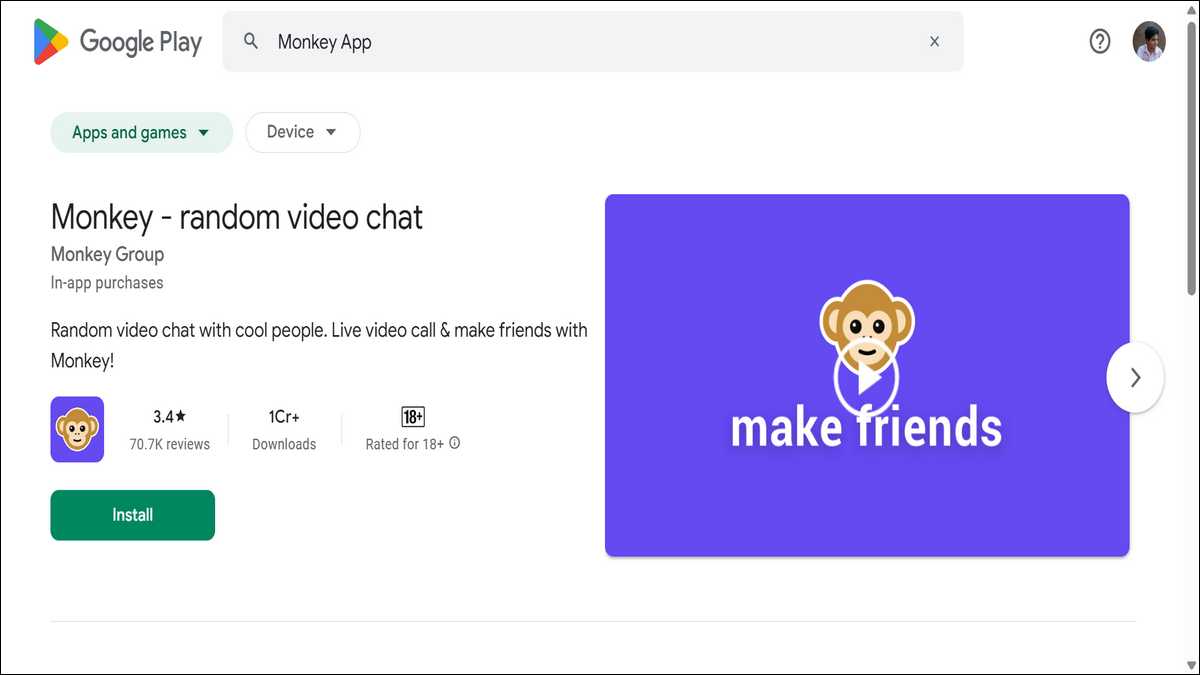
The app says it has safety tools and millions of users. It also pushes the idea that you can meet people worldwide in seconds. And yes, that part is true. Matching is fast. Sometimes almost too fast.
You don’t scroll much or build long profiles. You just connect.
That’s the appeal.
But speed has tradeoffs. And we’ll get to that.

First Impressions — Fast, Fun, and a Little Chaotic
The app opens quickly. The layout is clean. Within seconds, I was in my first call.
So far, so good.
But then things got messy. A few calls dropped without warning. Face verification triggered mid-chat and cut the connection. Some matches skipped instantly. Others lasted a few seconds and ended.
It felt like roulette. Sometimes fun, awkward, and confusing.
Also, the pay prompts show up early. If you want to extend a chat or boost visibility, you’re nudged toward buying tokens. It’s a free app — but it wants you to spend.
Also read: Tinder Alternatives: 11 Best Dating Apps Like Tinder
Let’s Talk About Safety — Because That’s the Big Question
Now we get to the part most people care about.
Is Monkey safe?
Short answer: not for kids. And even adults need to be careful.
Independent safety groups and parent review sites have raised concerns about underage users and weak age checks. Bitdefender says the app is not considered safe for children and notes there’s no strict age verification process.
Also, Common Sense Media shares similar warnings. Parents report minors interacting with strangers and seeing inappropriate behavior.
So yes, the app has reporting tools. Yes, it says it moderates content. But live video is hard to control in real time. Something inappropriate can appear before anyone stops it.
That’s just the reality of random video apps.
What Real Users Are Saying About This App
I pulled comments from app stores, parent sites, and safety blogs. Here’s the pattern.
Some users say:
- It’s quick and entertaining.
- It’s good for short chats.
- It’s easy to use.
But others say:
- There are fake accounts.
- There are minors pretending to be older.
- Moderation feels slow.
- Monetization is aggressive.
Avast’s safety guide points out that while kids enjoy the spontaneity, they may run into “sketchy” users.
So the tone across the internet is mixed. Fun, yes. Safe? Not really — especially for teens.
My Week Using Monkey — What Actually Happened
Here’s what I experienced over seven days.
Day 1:
Fast matches. Mostly short chats. A few awkward moments. One abrupt disconnection due to face checks.
Day 2:
Someone quickly tried to move the chat to another platform. That’s a red flag. I blocked and reported.
Midweek:
Some genuine conversations. A few interesting people. Also, a noticeable number of low-effort or suspicious profiles.
End of week:
More token prompts. More time limits. A clear push toward spending money if you want longer interactions.
So what’s my honest take? It works as advertised. You’ll meet strangers, and have quick chats. But quality varies. And risk is always in the background.
Moderation — Does It Actually Work?
Monkey says it uses automated tools and moderation to keep things safe. That’s standard language for apps in this space.
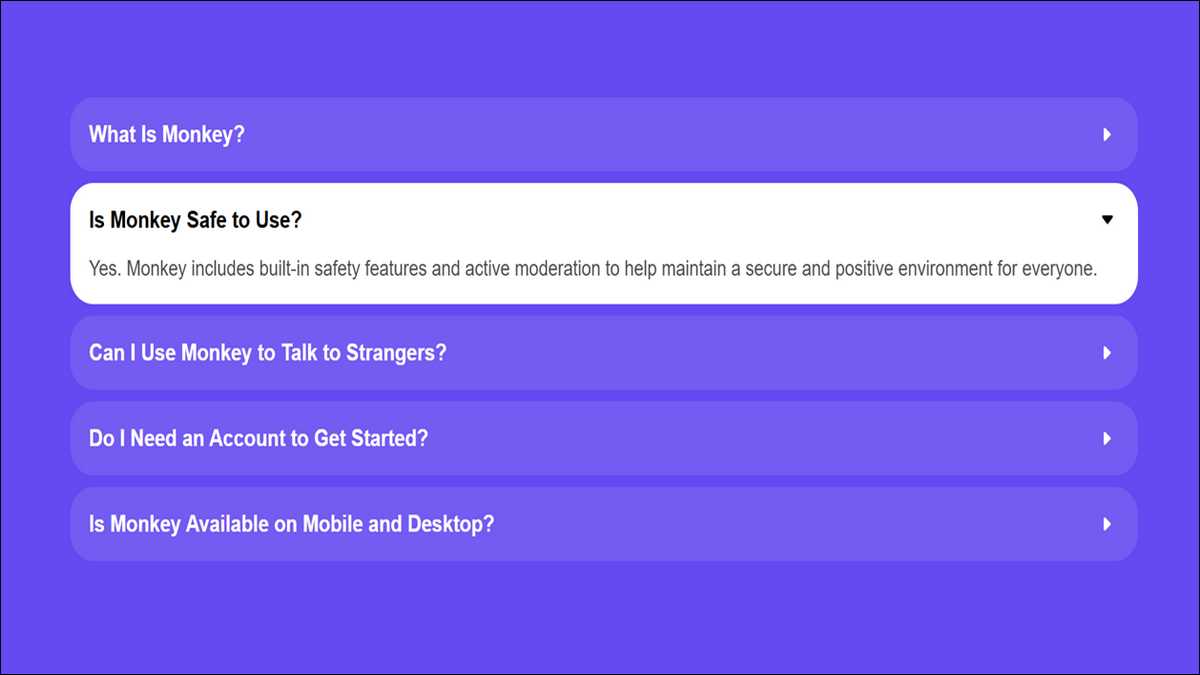
But automation isn’t magic. It can filter some behavior. It can detect obvious violations. Still, live video moves fast. Moderators react after something happens — not before.
When I used the reporting feature, it was easy to find. That’s good. But I didn’t see visible follow-up during my test window.
That doesn’t mean nothing happened. It just means the system feels distant from the user.
Also read: Vidmattapp Not Working? Here’s How to Fix Common Errors
The Money Side — Free, But Not Really
Monkey is free to download. But it runs on a token system.
You pay to:
- Extend chats
- Boost visibility
- Send virtual gifts
The prompts show up often. That’s one of the most common user complaints in app store reviews.
If you’re fine with short, timed chats, you can stay free. But if you want more control or longer conversations, you’ll feel the paywall.
That’s not unusual for social apps. Still, it affects the experience.
Fake Accounts and Catfishing — A Real Problem
Across multiple review platforms, users mention fake profiles and misleading ages.
This is a core issue with random video apps. There’s limited friction at sign-up. So people can misrepresent themselves easily.
And when age verification isn’t strict, that becomes a bigger issue.
Common Sense Media highlights parent concerns about minors using the app and interacting with adults.
That alone should make parents pause.
How Monkey Compares to Omegle, Azar, and Yubo
Here’s a simple breakdown so you can see the landscape.
| Platform | Style | Age Controls | Moderation | Main Risk |
|---|---|---|---|---|
| Monkey | Random 1-to-1 video | Claimed but weak checks | AI + human moderation | Underage users, fake accounts |
| Omegle | Anonymous roulette | No strong verification | Minimal historically | Major safety failures, legal issues |
| Azar | Random video with filters | Uses automated tools | Active scanning + review | Misuse possible but more controls |
| Yubo | Social livestream & discovery | Enforced age policies | Multiple safety layers | Grooming concerns flagged by safety groups |
Omegle faced serious legal trouble and ultimately shut down after lawsuits tied to abuse cases.
Azar promotes automated detection and safety tools like MatchBlur.
Yubo positions itself more as a social network than roulette chat, but it has also faced scrutiny from child safety organizations.
So where does Monkey sit? Somewhere in the middle. Not as chaotic as old-school Omegle. Not as structured as Yubo, niether as filter-heavy as Azar.
It’s still roulette at heart.
Who Should Use Monkey — And Who Shouldn’t
You might enjoy Monkey if:
- You like spontaneous chats.
- You don’t mind short interactions.
- You understand online risks.
You should avoid it if:
- You’re under 18 and unsupervised.
- You want strong identity checks.
- You dislike constant upsells.
Parents, especially, should treat this as an adult app. Random video plus weak age checks is not a great mix for teens.
Practical Tips If You Try It
If you decide to use Monkey anyway, here’s how to stay safer:
- Don’t share your real name, location, or school.
- Use blocking tools quickly.
- Keep sessions short.
- Don’t move conversations to other apps.
- Be ready to leave a chat immediately.
Simple rules. Big difference.
Final Verdict — Here’s Where I Land
Monkey is fast. It’s simple. It delivers exactly what it promises: instant, random video chats.
But it also carries real risk. Not theoretical risk. Real, documented concerns from parents and safety experts.
So here’s my honest take.
If you’re an adult who understands online boundaries, you can try it — cautiously. If you’re a teen, you shouldn’t use it without strong supervision. And if you’re a parent, you should think carefully before allowing it at all.
Fun and risk live side by side here.
That’s the truth of Monkey in 2026.
Frequently Asked Questions
No, not really. Monkey connects you with random strangers over live video. There are age limits, but age verification is weak. Parents and safety groups warn that teens can be exposed to inappropriate behavior. If a teen uses it, supervision is strongly recommended.
Monkey is a real app available on app stores. It’s not a scam. But many users complain about fake profiles, catfishing, and aggressive in-app purchases. So while the app is legitimate, the experience can feel frustrating or low quality.
Yes. The app remains active and continues to attract users who want quick, random video chats. It appeals mostly to young adults looking for casual social interaction.
Monkey is similar to Omegle in that both connect strangers randomly. However, Omegle faced major legal issues and shut down after abuse cases were exposed. Monkey includes some moderation tools, but risks still exist.
Azar and Yubo generally offer stronger moderation tools and more structured social features. Monkey is closer to pure roulette-style chatting. If safety is your priority, Azar or Yubo may offer slightly better controls — but no app in this category is risk-free.
Yes, you can use basic features for free. But the app pushes paid tokens for longer chats, boosts, and virtual gifts. Many users say monetization feels aggressive.
Monkey is generally rated for teens (13+ or 17+ depending on region), but because it connects strangers via live video, many safety experts advise it’s more suitable for adults.
The app has moderation tools and may monitor content for safety purposes. However, users should assume that anything shared online can be captured or recorded by others. Never share private information.