VRBO Host Requirements [2025 Updated Guide]
Becoming a VRBO host can turn your property into a steady income stream. With over 2 million listings in 190 countries, Vrbo is a top platform for vacation rentals. But what does it take to host successfully?
Let’s break down the requirements, guidelines, and best practices to help you get success as a Vrbo host in 2025.

Who Can Become a VRBO Host?
To start, you must be at least 18 years old. Vrbo requires identity verification with a government-issued ID during account setup. This confirms your eligibility. Some regions may have stricter age rules, so check local laws. You don’t need to be a property owner, but you must have legal permission to rent the space.
You’ll also need to comply with local regulations. Many cities require permits or licenses for short-term rentals. For example, Los Angeles and Austin have strict zoning laws. Homeowners’ associations (HOAs) may also restrict rentals, especially for stays under 31 days. Research these rules to avoid fines or listing removal.
Vrbo focuses on entire home rentals. Shared spaces or single rooms aren’t allowed. Your property can be a house, cabin, villa, or even a yacht. Ensure it’s a self-contained unit that meets guest expectations for privacy and comfort.
Also read: Automated Branding
Legal and Compliance Requirements
Compliance is critical. You must follow local short-term rental laws. Many cities require a business license or specific rental permit. For instance, New York City’s Local Law 18 mandates host registration. Non-compliance can lead to penalties or listing suspension. Check your city’s zoning laws to confirm vacation rentals are allowed.
HOA rules can complicate things. In California, some HOAs ban rentals under 31 days. In Florida, rental limits must be clear in governing documents. Always verify these restrictions. You may need to provide proof of ownership or a management agreement during Vrbo’s listing process.
Tax obligations are another factor. Rental income is taxable, and you may need to collect occupancy taxes. Vrbo offers tools to automate tax collection in some areas. Research local tax rates, which can range from 5% to 15%, to stay compliant and avoid surprises.
Property Standards and Safety
Your property must be safe, clean, and guest-ready. Vrbo requires functional smoke and carbon monoxide detectors. Secure locks and well-lit outdoor areas are recommended. A first aid kit and emergency contact information are also advised. Childproofing, like securing furniture, is encouraged for family-friendly rentals.
Cleanliness is non-negotiable. Deep-clean all surfaces between guests. Launder linens, empty trash, and restock essentials like soap. For stays over a week, offer mid-stay cleaning. Provide cleaning supplies for guests, such as disinfectant wipes. Regular inspections ensure everything works, boosting guest satisfaction and reviews.
Vrbo doesn’t mandate liability insurance but strongly recommends it. This protects against property damage or guest injury claims. Without Airbnb’s automatic host protection, you’ll need your own policy. Guests can opt for accidental damage insurance, but it’s not mandatory, so your coverage is key.
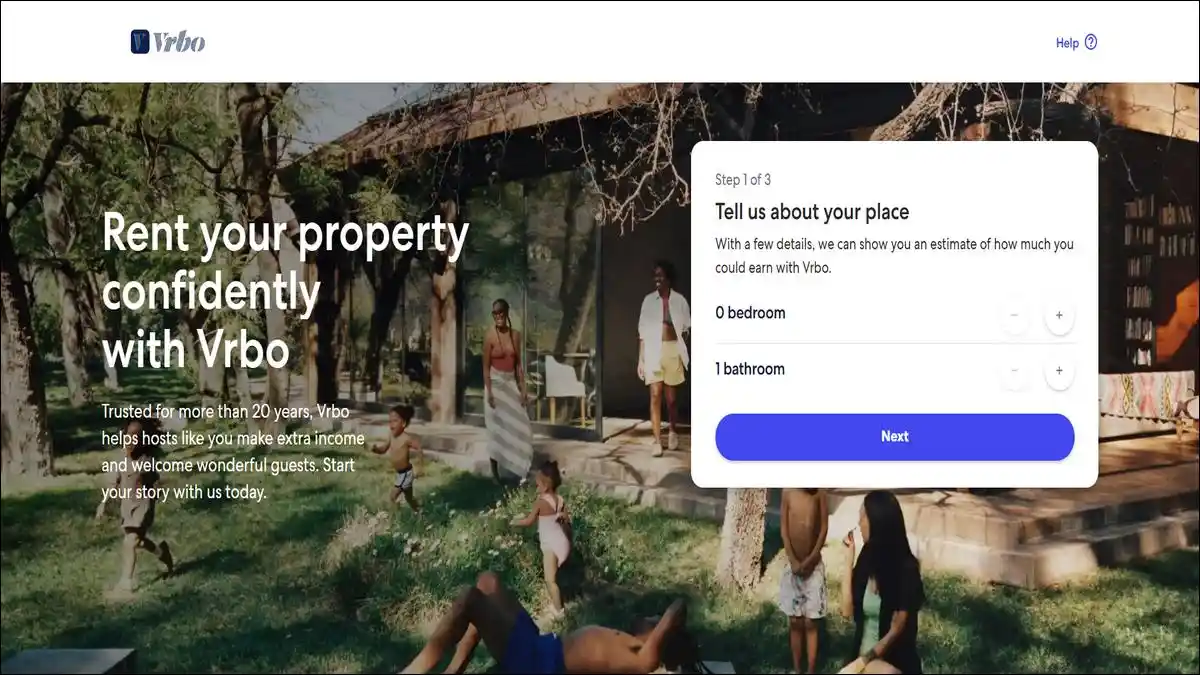
Listing Creation and Guidelines on VRBO Platform
Creating a compelling listing is crucial. Vrbo requires accurate, detailed information about your property. Include location, size, amenities, and sleeping arrangements. Misleading details can lead to negative reviews or removal. Use at least six high-resolution photos, including exterior, interior, guest rooms, and bathrooms. Avoid blurry or watermarked images.
Your listing must be original. Copying other listings is prohibited. Each property gets one listing per account to prevent spamming. Describe only the advertised unit, not additional properties. Follow Vrbo’s Marketplace Standards and Content Guidelines for approval. A well-crafted listing builds trust and attracts bookings.
Set clear house rules. Specify pet policies, age restrictions, or smoking rules. Transparent policies prevent misunderstandings. You can choose cancellation options, ranging from no refunds to full refunds for cancellations 14 days before check-in. A $500 refundable security deposit is common to cover damages.
Communication and Guest Expectations
Effective communication is vital. Starting January 1, 2025, Vrbo requires hosts to provide check-in instructions 72 hours before arrival. On check-in day, respond to guests within one hour from 8 AM to 9 PM. Vrbo tracks response rates and times. Slow responses can hurt your performance metrics and booking potential.
If you fail to provide critical information, like access codes, Vrbo may cancel the booking and refund the guest. Clear, timely communication builds trust. For example, send keyless entry codes or key pickup details in advance. This ensures a smooth check-in and enhances guest satisfaction.
Encourage guests to respect neighbors. Noise complaints can lead to enforcement actions. Share local guidelines with guests, like quiet hours. Proactive communication and clear expectations create positive experiences, increasing your chances of repeat bookings and glowing reviews.
Also read: Norse Organics

Fees and Financial Considerations
Vrbo offers two fee structures. The annual subscription costs $699 per year, covering all bookings. It’s ideal for hosts with consistent bookings. Alternatively, the pay-per-booking model charges an 8% commission per booking, including a 5% service fee and 3% payment processing fee. This suits seasonal or new hosts.
You set cleaning fees based on effort required. Avoid excessive fees to prevent deterring guests. Security deposits, like $50 non-refundable damage waivers, cover minor repairs. Vrbo processes payments securely, but you must provide banking details for payouts. Understand local taxes to ensure compliance and accurate pricing.
| Fee Type | Details | Best For |
|---|---|---|
| Annual Subscription | $699/year, covers all bookings | Hosts with frequent bookings |
| Pay-Per-Booking | 8% commission (5% service, 3% processing) | Seasonal or new hosts |
| Guest Service Fee | 6-15% of booking cost, paid by guests | All hosts, impacts guest pricing |
Transparent pricing builds guest confidence. Use Vrbo’s tools to calculate taxes and fees, reducing administrative hassle. Adjust rates based on regional averages ($200-$400/night) and seasonal trends to maximize revenue.
Becoming a Premier Host
The Premier Host program rewards exceptional hosts with a badge, better search rankings, and priority support. To qualify, maintain a 4.3+ average review rating, 90%+ booking acceptance rate, and less than 5% owner-initiated cancellations. You need at least three reviews and five bookings or 60 booked nights annually.
Premier status is assessed quarterly. If you fall short, you can requalify by meeting criteria again. Enable Instant Book to boost bookings, as it’s set by default in some channel managers. The badge increases visibility, attracting high-value guests and boosting revenue.
| Premier Host Criteria | Requirement |
|---|---|
| Review Rating | 4.3+ average |
| Booking Acceptance Rate | 90%+ |
| Owner-Initiated Cancellations | <5% |
| Bookings/Nights | 5+ bookings or 60+ nights |
Focus on guest satisfaction to earn this status. Respond to reviews professionally, especially negative ones, to show commitment to improvement. Premier Hosts stand out in a competitive market, driving more bookings.
Tips for Success as a Vrbo Host
To thrive, optimize your listing with dynamic pricing. Adjust rates based on demand and local averages. High-quality photos and detailed descriptions attract guests. Consider virtual tours to showcase unique features. Regular updates keep your listing fresh and relevant.
Maintain a clean, safe property. Deep-clean between guests and inspect regularly. Stock essentials like toiletries and cleaning supplies. Mid-stay cleaning for longer bookings improves guest experience. Clear house rules, like pet or smoking policies, prevent issues.
Respond promptly to inquiries. Vrbo’s communication policy emphasizes timely replies. Use automation tools for deposits or tax collection to save time. Encourage reviews by following up politely after check-out. Address negative feedback constructively to build trust with future guests.
Research local competition. Analyze pricing and amenities in your area. Set competitive rates and highlight unique features, like a hot tub or scenic view. Listing on multiple platforms, like Airbnb, can diversify your bookings, but Vrbo’s Expedia Group connection boosts visibility.
Common Challenges and Solutions
Hosting isn’t without hurdles. Strict local regulations can limit your ability to list. Research zoning laws and obtain permits early. HOAs may restrict rentals, so review governing documents. Non-compliance risks fines or delisting, so stay informed.
Guest complaints about cleanliness or amenities can hurt reviews. Conduct thorough inspections and provide clear check-in instructions. If issues arise, respond quickly and professionally. Vrbo’s support team can assist with disputes, but proactive communication prevents escalation.
High fees can eat into profits. Choose the fee structure that suits your booking frequency. Use dynamic pricing to offset costs. Automation tools, like channel managers, streamline tasks and reduce errors, saving time and money.
Also read: Jack in the Box Careers
Final Thoughts
Becoming a Vrbo host offers a rewarding way to earn income from your property. By meeting legal, safety, and listing Vrbo host requirements, you set the stage for success. Clear communication, competitive pricing, and a guest-focused approach will help you stand out.
Whether aiming for Premier Host status or starting small, preparation is key. Dive in, stay compliant, and create memorable guest experiences in 2025.
FAQs
You must be 18+, verify your identity, and have legal permission to rent your property. Vrbo requires entire homes, not shared spaces. You also need to follow local laws, like getting permits, and ensure your property is safe and clean.
No, you don’t need to own the property. However, you must have permission from the owner or a management agreement. Vrbo may ask for proof during the listing process.
Your property needs working smoke and carbon monoxide detectors. Secure locks, well-lit areas, and a first aid kit are recommended. Liability insurance is advised to cover damages or injuries.
Vrbo offers a $699 annual subscription or an 8% per-booking fee (5% service, 3% processing). Guests pay a 6-15% service fee. You set cleaning fees and may charge a security deposit.
Maintain a 4.3+ review rating, 90%+ booking acceptance rate, and less than 5% cancellations. You need at least three reviews and five bookings or 60 booked nights yearly.
Non-compliance with local regulations, like zoning or tax laws, can lead to fines or listing removal. Research your area’s rules and get required permits to stay compliant.
Use accurate details, at least six high-quality photos, and clear house rules. Avoid copying other listings. Describe amenities, sleeping arrangements, and unique features to attract guests.