Toyota Tacoma for sale: Where To Find The Best Deal
If you are hunting for a midsize pickup, the Toyota Tacoma is one of the most solid choices. It blends comfort, off-road skill, and long-term value. That said, knowing where to look can save you time, money, and frustration. In this guide, we will walk you through proven ways to find one. You will learn not only where to look but also how to compare options wisely and avoid common pitfalls.
Why this guide matters is simple — the market for pickups is busy, and inventory for popular trims can be tight. Therefore, instead of guessing, you can use the steps and tips here to cut through the noise. Our aim is to give clear, short advice you can apply whether you want a new truck or a used one.
When planning your search, it helps to think in stages. First, define what you want in terms of trim, cab size, and bed length. Then, expand your search channels to cover both local and online sources. After that, verify the truck’s history and condition.
Finally, be prepared to act quickly when you find the right fit. Along the way, we’ll highlight cost signals, negotiation tips, and where to find deals without sacrificing quality.
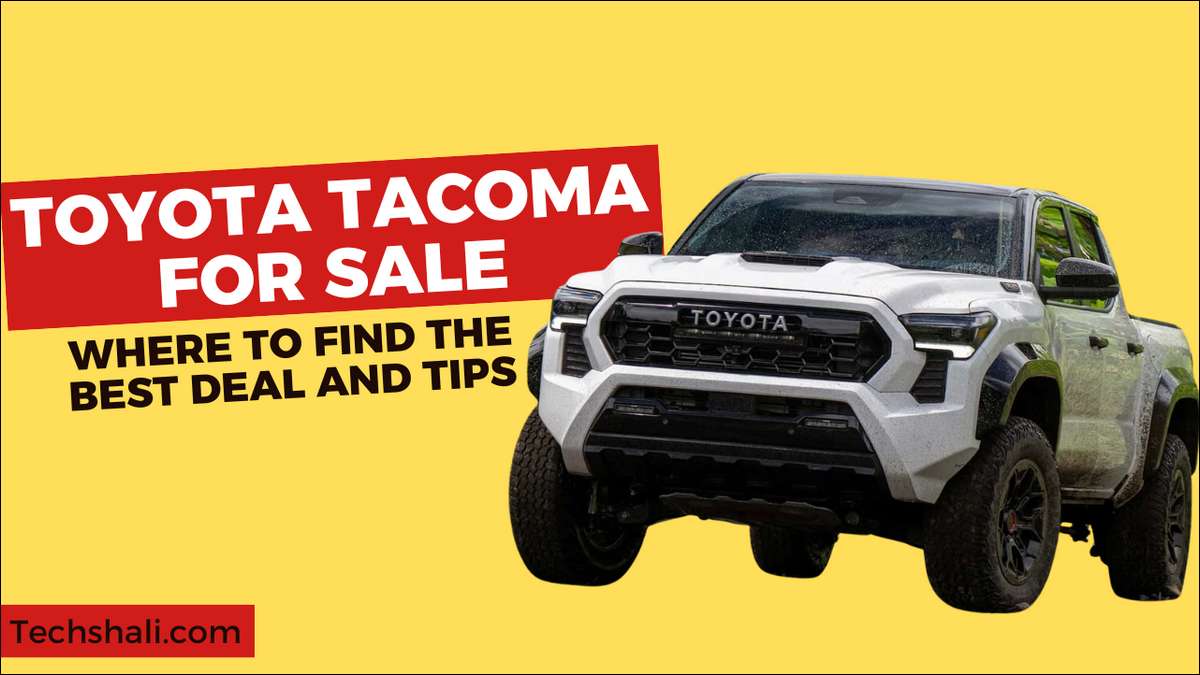
Why choose Toyota Tacoma?
The Tacoma has a long track record, and this is one reason it continues to be a top choice in the midsize pickup category. Indeed, it holds value well, and owners often report fewer maintenance surprises compared to some competitors. This makes it a trusted choice if you want something rugged and reliable.
Over the years, newer models have added more technology and power. Consequently, you’ll find features like advanced driver assistance systems, improved infotainment, and enhanced off-road capabilities in recent trims.
Furthermore, Toyota offers a variety of trims to suit different needs. For example, the TRD trims are tuned specifically for rough terrain, while other configurations prioritize towing or daily driving comfort.
If towing or hauling is important to you, check the specs for the trim you want and, before committing, read the official specification sheet.
Another strong point is resale value. In many markets, Tacomas maintain a high trade-in value compared with rivals. This matters especially if you plan to sell or trade later.
Pricing trends from expert sources can give you a realistic sense of what to expect.
Where to find a new Toyota Tacoma for safe?
When buying new, several reliable channels exist.
- Factory dealers. Naturally, your first stop is the official dealer network. Dealers list new inventory online, showing trims, colors, options, and MSRP. Many will allow you to reserve or custom order a build. If you want a rare combination, ordering may be worth the wait. In any case, always get a written estimate and a delivery timeline.
- Toyota factory site. The official site is another useful resource. In addition to listing trims and features, it also provides suggested pricing. The build-and-price tool helps you lock in options and compare offers between dealerships. Remember to confirm dealer fees and destination charges.
- Regional dealer inventory. In some cases, dealers share stock across a region. Therefore, expanding your search radius can improve your chances of finding the right match. Some dealers even offer vehicle shipping across states, though you must factor in transport costs and tax differences.
- Certified new programs. Finally, some dealers offer special programs for recent production models, sometimes with added protection plans or limited incentives. Always ask for these and make sure they’re clearly written into the sales contract.
Where to find a used or pre-owned model
If you’re open to used Toyota Tacoma, you have even more options.
- Certified Pre-Owned (CPO). CPO trucks come with inspections and extended warranties. While they often cost more than non-certified used trucks, they reduce risk and provide peace of mind. You can find CPO listings on manufacturer websites and through major dealer networks.
- Franchised used lots. Franchise dealers frequently sell trade-ins and off-lease Tacomas. These lots allow you to test drive and inspect trucks in person, and they sometimes offer short-term warranties.
- Independent dealers. Smaller independent dealers may offer lower prices, albeit with fewer warranties. In such cases, asking for full maintenance records and a clean title is vital. Additionally, consider hiring a mechanic for a pre-purchase inspection.
- Private sellers. On the other hand, buying from an owner can often yield the best price. However, the risk is higher, so you must do a thorough inspection and obtain a vehicle history report.
Also read: Used Toyota Camry: Should You Buy in 2025?
Online marketplaces and direct sellers
In addition to local dealers, the internet opens many more doors.
- Classified sites. Facebook Marketplace and Craigslist are full of local listings, and bargains do appear here. Even so, scams are also common, so proceed with caution by running VIN checks and meeting sellers in person.
- Dedicated car sites. Autotrader, Cars.com, and CarGurus offer more refined searches, complete with filters for trim, price, and mileage. You can also set alerts to get notified when new listings match your criteria.
- Retail platforms. Companies like Carvana, Vroom, and Shift allow you to buy entirely online, with home delivery and return windows. Although convenient, these services sometimes carry delivery fees, so review their policies before committing.
- Auction platforms. Lastly, auction sites like Copart or IAA can be an option, especially for those looking for project vehicles. However, auctions can be competitive and risky, so they are best suited for experienced buyers.
How to search smartly
Once you’ve decided whether you want new or used, the next step is to search strategically.
- Define your must-haves. To begin with, determine your ideal cabin size, bed length, and trim level. This simple step will save you hours of scrolling through listings. Then, use search filters on dealer and aggregator sites to narrow results. Furthermore, save your searches and set up alerts so you don’t miss new postings.
- Expand your radius. If you’re not finding the right match locally, broaden your search area. In many cases, some regions have higher supply, which can mean better pricing. Particularly if you live near a state border, checking the other side can open up fresh opportunities.
- Use VIN checks. Regardless of where you buy, always run the vehicle’s VIN through a history service like CARFAX or AutoCheck. These reports can reveal accidents, title issues, and service records. Even so, remember that a clean report is not a guarantee — an independent inspection is still recommended.
- Check recall and service bulletins. Additionally, check for open recalls on the model you’re considering. Dealers must address these before sale, and spotting repeat repairs in service bulletins can alert you to potential issues.
Pricing signals and how to judge value
Understanding pricing is critical before you start negotiating on your next Toyota Tacoma:
- MSRP and dealer pricing. For new vehicles, MSRP is your baseline. However, dealers may add markups or apply manufacturer incentives. Consequently, consulting fair purchase pricing guides can help you determine whether a listed price is reasonable.
- Used price guides. In the used market, online appraisal tools from sources like Edmunds and Kelley Blue Book provide regional price estimates. These reflect real-world transactions and help you set realistic expectations.
- Common price drivers. Mileage, trim level, and damage history weigh most heavily on value. For example, special trims or factory options may justify a higher price, while poorly executed aftermarket modifications can reduce it.
Also read: How to Make the Most of Craigslist Omaha
Inspections and final checks
Before you make an offer, you must inspect the Toyota Tacoma thoroughly.
- Visual inspection. Start by looking for signs of rust or frame damage. Check suspension components and tire condition, and inspect the truck bed for heavy-use wear. While minor cosmetic issues are normal, major rust or structural bends are red flags.
- Mechanical check. Next, test all mechanical systems. Cold-start the engine, listen for unusual noises, and evaluate brake and steering response. If anything feels off, have a mechanic conduct a pre-purchase inspection.
- Electrical and software. For newer Tacomas, test the infotainment system, cameras, and driver assistance features. Software updates and module replacements should be documented in service records.
- Service records. Finally, review maintenance history. Consistent service intervals are a good sign, whereas large gaps or missing documents introduce risk.
Negotiation and offers
Once you’ve found a good Toyota Tacoma, it’s time to negotiate.
- Do your research first. Begin with market data so you know the fair value range. Then, make an initial offer that’s reasonable — too low can offend the seller, but too high leaves you with no room to move.
- Private sellers vs. dealers. With private sellers, cash or bank transfers can make your offer more appealing. Conversely, for dealers, showing a pre-approval letter proves you’re serious.
- Watch for add-ons. At the dealership, carefully review any additional fees, protection packages, or accessories. Always request the out-the-door total before signing anything.
- Timing your offer. Moreover, the timing of your purchase can influence flexibility. Dealers often have monthly or quarterly targets, making the end of these periods ideal. Private sellers may also be more willing to negotiate if their listing has been up for a while.
Seasonal timing and market cycles
Market conditions shift throughout the year, and being aware of these patterns can give you an edge.
For instance, pickup demand often rises in spring and summer, which can drive prices up. Conversely, winter months sometimes bring more motivated sellers. Likewise, when a new generation is released, prices on outgoing models may soften.
Additionally, regional events such as floods or hurricanes can impact supply. In some areas, these lead to more salvage vehicles entering the market, potentially lowering prices — though with added risk.
Holiday sales events can offer incentives, but remember that high-demand trims may not be discounted. Setting alerts can help you catch sudden price drops at any time of year.
Shipping and out-of-state buying
Sometimes, the best deal is not in your backyard.
- Transport costs. If you buy out of state, calculate shipping expenses before committing. Enclosed transport is safer for high-value trucks, while open transport is more affordable but exposes the vehicle to weather.
- Tax and registration differences. Remember, state laws vary. Some require local inspections or emissions testing. Often, you’ll pay sales tax in your home state, but confirm this in advance.
- Paperwork handling. Many dealers will process out-of-state sales and arrange transport. Make sure all bills of sale and shipping documents are complete, and keep copies until registration is finalized.
Insurance and cost to own
Even after purchase, ownership costs matter.
Insurance premiums. Rates vary by trim and region. Higher trims with advanced features may cost more to insure. Therefore, it’s smart to get quotes before finalizing your purchase.
Fuel and maintenance. Likewise, fuel economy differs across model years and engine options. Factor in routine expenses like tires, brakes, and fluid changes — especially if you plan on heavy off-road use.
Depreciation. While the Tacoma’s resale value is strong, depreciation still occurs. Maintaining the truck well, keeping mileage low, and storing service records can help preserve value.
Common mistakes to avoid
When buying a Tacoma, avoid these pitfalls:
- Skipping the VIN check. This can hide accidents or title issues.
- Skipping inspections. Even clean titles can conceal costly problems.
- Assuming clean title equals perfect condition. Always verify with a mechanic.
- Ignoring total cost. Low advertised prices may balloon after fees and taxes.
Inspection checklist table
| Check | Why it matters |
|---|---|
| VIN history | Reveals accidents, title status, and service records |
| Frame & underbody | Detects rust or structural damage |
| Engine & transmission | Avoids costly major repairs |
| Electronics | Ensures all features and sensors function properly |
| Suspension & tires | Identifies wear from off-road use |
| Service records | Confirms regular, documented maintenance |
Final tips for a confident buy
To wrap up your search process, document everything. Take photos and notes during inspections, compare multiple listings side-by-side, and always ask direct questions about modifications.
Use secure payment methods — avoid large sums of cash without proper receipts. For long-term ownership, prioritize condition over cosmetic preferences.
After all, a well-maintained truck will serve you far better than a flashy one with hidden issues.
Also read: Best Cars of 2020 According to Guia-automovil.com
Where to find specialty and modified trucks
For buyers interested in unique or off-road builds, the search expands further.
- Enthusiast shops. Local 4×4 shops sometimes sell pre-built Tacomas or take them on trade. These often have specialized upgrades, but verifying the quality of modifications is critical.
- Online forums and groups. Communities dedicated to the Tacoma often host classified sections. These sellers are typically enthusiasts who maintain their vehicles well — albeit at premium prices.
- Dealers with MOD packages. Some authorized dealers sell trucks fitted with factory-approved accessories, keeping warranties intact.
Buying for business or fleet use
Business buyers should approach purchases with documentation and long-term planning.
Fleet programs can provide volume discounts, priority service, and even dedicated account managers. Additionally, tax incentives may apply, so consult with an advisor before purchase.
For work use, prioritize uptime over luxury. That means choosing serviceable trims and budgeting for any required equipment like racks or toolboxes.
A simple buying timeline you can follow
- Day 1: Set your priorities and budget, and activate online price alerts.
- Days 2–7: Monitor listings, expand your search radius, and run VIN checks.
- Days 8–14: Arrange inspections, test drives, and gather service records.
- Days 15–21: Finalize financing, compare quotes, and arrange transport if needed.
- Days 22–30: Complete the sale, transfer title, and schedule your first maintenance check.
Also read: Kanban Methodology: The Japanese Method To Streamline Your Business
Local resources and help
Local consumer protection agencies can assist with title disputes. Auto clubs and roadside services may offer member benefits, and independent shops can provide inspection services.
Above all, seek advice from trusted local professionals if you’re unsure about a deal.
Common FAQ
It depends on the market, but private sellers and independent dealers often list lower prices. CPO programs cost more but provide added security.
Yes — provided the savings outweigh transport, tax, and registration costs. Some dealers streamline the process for you.
Routine costs are similar to other midsize pickups, with the Tacoma often being slightly cheaper long-term.
Off-road and mid-level luxury trims typically have the highest demand.
Comparison table: Buying channels
| Channel | Best for | Pros | Cons |
|---|---|---|---|
| Franchise dealer (new) | New builds, warranty | Full warranty, factory options | Higher price, possible add-ons |
| Certified pre-owned | Peace of mind | Inspection, extended warranty | Higher cost vs private sale |
| Private seller | Lower price | Potential savings | Higher risk, no warranty |
| Online retailers | Remote buyers | Convenience, return windows | Fees, limited negotiation |
| Auctions | Bargain hunters | Low starting prices | High risk, salvage inventory |
Checklist reminder
Before signing, read the entire contract carefully. Confirm the odometer reading, match it to the title, and complete a final walk-around with the seller. Ensure you receive all keys, manuals, and promised accessories. Keep every document together for future reference.
![Rajkot Updates News: When Will the Tesla Phone Be Released [2026]](https://techshali.com/wp-content/uploads/2026/01/Rajkot-Updates-News-When-Will-the-Tesla-Phone-Be-Released-390x220.jpg)