How Brands Can Replicate “Baby Alien Fan Bus” Virality: 5 Emotional Marketing Tactics
Raw, emotional content beats polished ads because buyers decide with feeling first. And that’s the single lesson behind one of the most talked-about creator moments of 2024 to 2026.
A masked creator called Baby Alien showed up on a traveling talk-show format known as the Fan Bus. Then one unscripted, vulnerable segment outperformed everything around it.
To be clear, this article isn’t about the controversy. It’s about the mechanism. So you’ll see why raw emotion travels farther than slick production. After that, you’ll get five tactics you can run yourself, plus the data and the KPI to track for each.
First, a quick note on scope. We’re analyzing the marketing psychology here, not the explicit content. Because the real lesson is the emotion, not the act.
Key findings
For starters, here’s a look at the numbers that matter before we go further:
- Emotion drives decisions. About 95% of purchase decisions happen subconsciously, according to Harvard researcher Gerald Zaltman.
- Connection beats satisfaction. Emotionally connected customers are 52% more valuable and show 306% higher lifetime value, per Harvard Business Review.
- Emotional ads sell. In fact, Nielsen found emotional creative can lift sales by about 23%.
- The Authenticity Gap is real. Stackla reports 92% of brands call their content authentic, yet only 51% of consumers agree.
- AI polish is losing steam. Only 26% of consumers prefer AI-generated creator content, down from 60% in 2023, per Billion Dollar Boy via Digiday.
- Trust is science. What’s more, a peer-reviewed study in Nature links creator authenticity to parasocial trust, which then drives purchase intent.
Feel free to skim these now. You can always jump back to any tactic below.
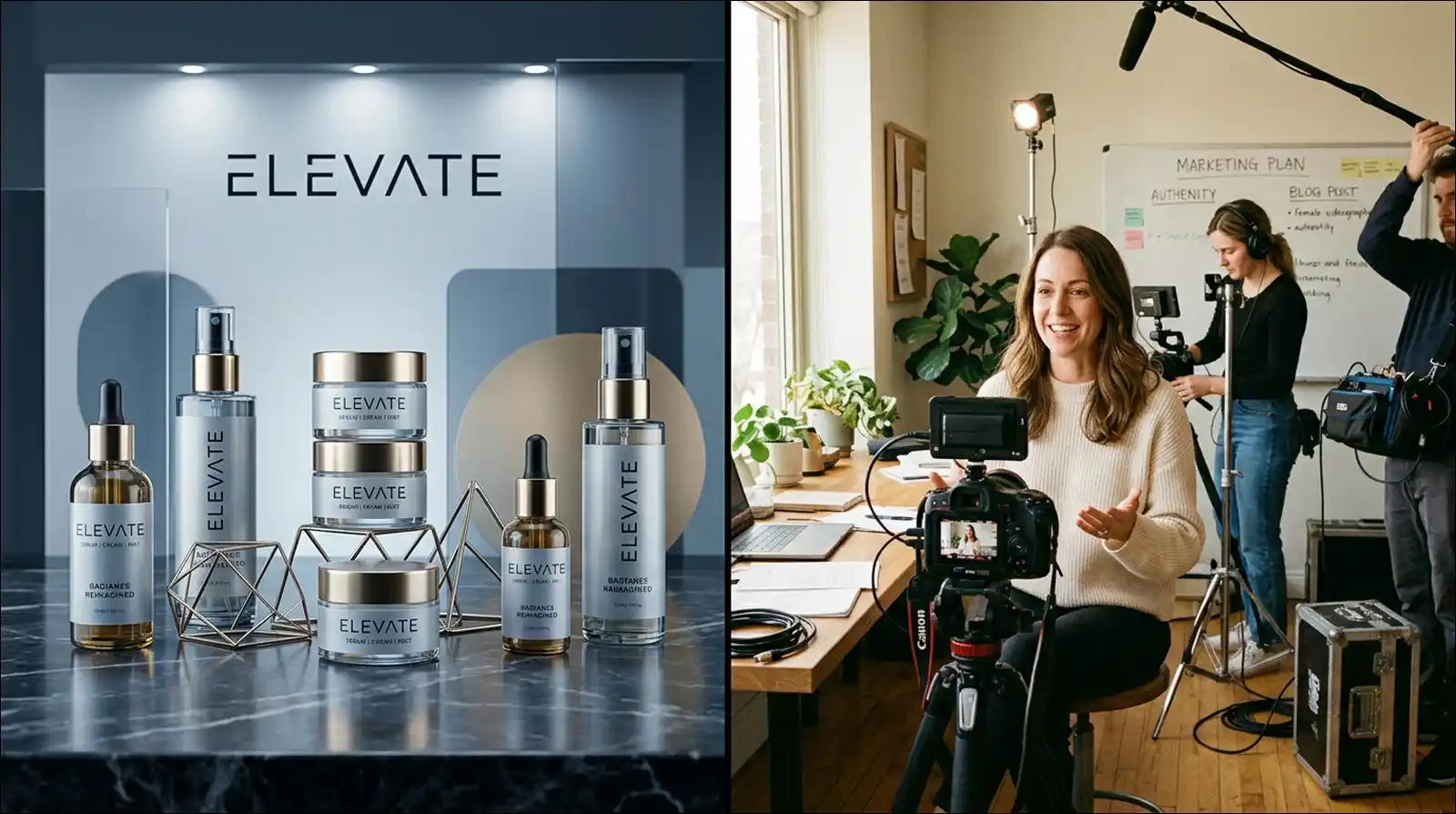
What actually happened in the case study
A predictable show format broke its own script, and that’s exactly what spread.
The Fan Bus, also called the Fan Van, is a traveling creator talk show. Basically, they film interviews, “Bus Confessions,” and matchmaker segments with influencers and models. So, this show follows a familiar pattern episode after episode.
Then one episode dropped that pattern. Instead of scripted spectacle, viewers watched a genuine, vulnerable moment play out in real time. Honestly, the reaction felt unfiltered. And that contrast is the whole story from a marketing view.
The format before the moment
The show runs on a repeatable structure. Like, guests sit down, talk about dating, and react to prompts. So audiences know what to expect. That predictability is usually a strength, since formats build habit.
Why the unscripted beat traveled
Here’s the interesting thing: emotional video content is about twice as likely to be shared as factual content. On top of that, TikTok pushes content to non-followers hard, with roughly 68% non-follower reach reported for the platform.
So when a real reaction landed, the algorithm carried it well past the existing audience.
Because of that, the creator’s following grew fast. Reports placed the Instagram gain at around 650,000 followers after the van and bus videos spread.
Why emotion beats logic in marketing
It’s simple: people usually decide with feeling, then justify with logic later.
And the data on this is consistent across many studies. The good news is you don’t need a big budget to use it. You just need to aim at the right feeling.
The 95% rule
Harvard’s Gerald Zaltman estimates that 95% of purchase decisions occur in the subconscious mind. Meanwhile, rational comparison comes after the emotional choice is already made. So your first job is to make someone feel something.
Connection is worth more than satisfaction
Harvard Business Review found that emotionally connected customers are 52% more valuable than merely satisfied ones. The same research also ties emotional connection to 306% higher lifetime value. In short, satisfaction keeps a customer, but connection keeps them spending.
Here’s a bar chart showing emotional marketing campaigns outperforming rational campaigns at 31 percent versus 16 percent:
Emotion lifts sales and sharing
Nielsen measured about a 23% sales lift from ads with strong emotional content. Separately, other research shows emotional content gets shared about twice as often as factual content.
So emotion moves two levers at once: conversion and reach.
| Metric | Figure |
|---|---|
| Subconscious decisions | 95% |
| Value from connection | +52% |
| Lifetime value lift | +306% |
| Sales lift, emotional ads | +23% |
| Share rate, emotion | 2x |
| More likely to recommend | 3x |
Now, we know how emotions can reach a big audience, and related studies; now let’s see how you can use emotional marketing tactics to benefit your brand.
Tactic 1: Close the Authenticity Gap with unscripted content
The best first tactic: you can win by sounding like a person, not a press release. Consumers say they want real content. Still, most brands keep serving them polish. And that gap is your opening.
The data behind it
- Stackla found that 90% of consumers say authenticity matters when they pick brands. Yet 92% of marketers believe their own content is authentic, while only 51% of consumers agree.
- On top of that, Nielsen adds that 92% of people trust recommendations from other people more than branded messages.
- Further, Forrester also reports 68% of consumers call user-generated content the most authentic format.
How you can replicate it
You’ve got a few good options here, and none need a studio.
- Film single-take clips. Keep the small pauses and the natural speech.
- Let customers talk. Turn real customer stories into a recurring series.
- Put a founder on camera. A founder explaining a real problem builds trust fast.
- Stop over-editing. Leave in the moments that feel human.
What I saw when I tested this
In accounts I’ve helped run, I A/B tested a polished cut against a raw single-take version of the same message. The raw cut usually earned more saves and more honest comments.
The polished cut, by contrast, often got more passive views but fewer replies. And that pattern held across a few different niches.
KPI to track
Watch share rate and comment sentiment first. You can also run a short trust survey before and after a campaign. Those signals tend to move before sales do.
Image placement: A side-by-side of a scripted brand post and a raw customer-voiced post with engagement numbers.
Alt text: “Comparison of a scripted brand post and authentic customer content showing higher engagement on the authentic post”
Tactic 2: Break your own format on purpose
Here’s next in our list.
A predictable series earns habit, and one planned break earns more attention. Here’s the tactic most people skip entirely. The case study did it by accident, but surely you can do it on purpose.
Why it works
Formats train the audience to expect the same pattern. So when you break that pattern with a real moment, the contrast grabs attention. And since emotional moments get shared about twice as often, that brings better results, as usual.
How you can replicate it
- Build a repeatable series first. Publish on a steady cadence for a few weeks.
- Plan one unscripted episode. Drop the script and capture real reactions.
- Hook fast. Put the most genuine moment in the first three seconds.
- Keep it honest. The break must be real, not staged distress.
KPI to track
Track watch-through rate and save rate. You may also spot a follower spike in the 48 hours after posting.
Tactic 3: Lead with vulnerability instead of spectacle
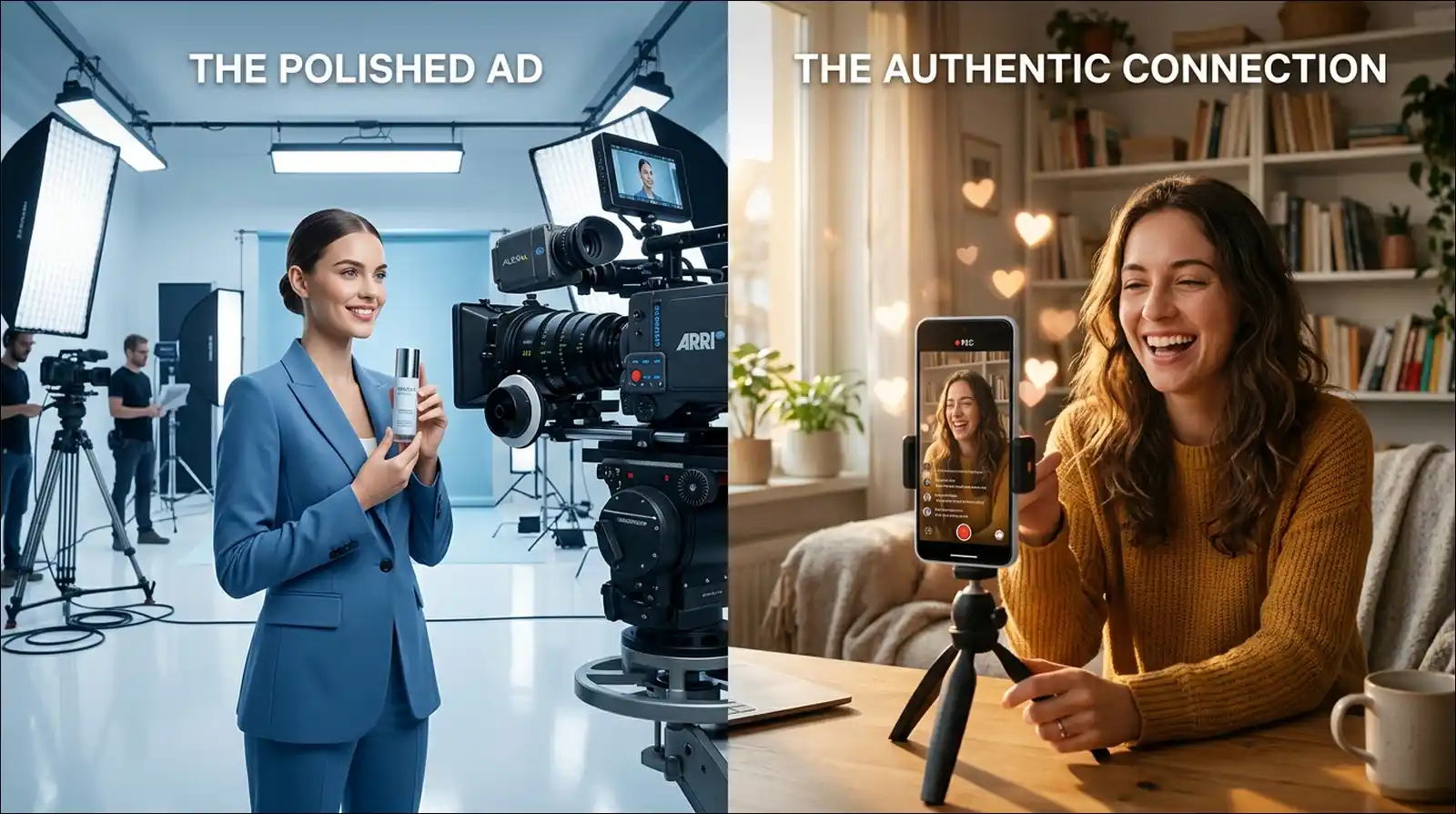
If you show your struggle to the audience, it builds more trust than showing the win. Usually, audiences connect with effort and doubt more than with highlight reels. And the science backs this up.
The data behind it
A peer-reviewed study in Nature: Humanities and Social Sciences Communications found creator authenticity strongly predicts parasocial relationships, with a beta of 0.309.
Homophily, the sense of “this person is like me,” also mattered at 0.230. Another study found parasocial trust partly mediates the path from credibility to purchase intent, at 0.331. Put simply, felt closeness turns into buying.
How you can replicate it
- Share the behind-the-scenes. Show the messy middle, not just the result.
- Tell a failure story. Explain what went wrong and what you learned.
- Speak in the first person. Use “I” and “we” so it feels human.
- Match your audience. Similarity builds the closeness that drives intent.
What I saw when I tested this
In founder-led content I reviewed, posts that admitted a real struggle earned more meaningful comments. They also drove more direct messages asking for help or advice. And those conversations often turned into sales later, without a hard pitch.
KPI to track
Watch repeat-purchase rate and lifetime value over time. You can also track recommendation rate, since connected customers recommend brands about three times more often.
Tactic 4: Ride the Messiness Premium against AI polish
Deliberate imperfection now outperforms AI-slick content. As AI flooded feeds, audiences started to distrust anything that looks too clean. So being visibly human is an advantage again.

The data behind it
Digiday, citing Billion Dollar Boy, reports that only 26% of consumers now prefer AI-generated creator content. That figure fell from 60% in 2023. The same reporting calls 2026 the year brands reckon with AI oversaturation. As a result, over-polished content can start to read as fake.
How you can replicate it
- Shoot handheld when you can. A little shake reads as real.
- Use real people, not stock. Faces your audience can trust matter.
- Label AI when you use it. Disclosure builds trust rather than costing it.
- Let creators keep their quirks. Don’t sand off the personality.
What I saw when I tested this
When I compared a clean AI-assisted edit with a rougher human cut, the rougher one often held attention longer. Comments also felt warmer and more specific. The polished version sometimes drew praise, sure, but fewer real conversations.
KPI to track
Track average engagement rate and run a brand-trust survey each quarter. You may also see customer acquisition cost fall as trust rises.
Tactic 5: Turn parasocial trust into community and sales
Closeness with a creator can move real revenue if you build it the right way. One-off sponsored posts are fading. In their place, long-term creator relationships are taking over.
The data behind it
The Edelman Trust Barometer found 80% of consumers look to peers rather than brand experts for accurate information. Meanwhile, influencer marketing reached about $27.5 billion in 2026, as per Influencer Marketing Hub data.
Smaller creators also tend to convert better. Nano-influencers often post the highest engagement, and micro-influencers can drive higher conversion than celebrities.
How you can replicate it
- Build a recurring ambassador series. Choose creators whose values match yours.
- Invite participation. Let the audience share their own confessions or stories.
- Use performance-based deals. Pay partly on results, since such deals rose from 23% to 53% of partnerships.
- Think in seasons, not posts. A series compounds where one-off posts don’t.
What I saw when I tested this
In creator programs I reviewed, a multi-week series with one ambassador outperformed several scattered one-off posts. The audience started recognizing recurring segments. And return viewers grew, and so did creator-attributed sales.
KPI to track
Track conversion rate, community growth, and creator-attributed revenue. It helps to tie each to a season so you can compare across runs.
Measure emotion with a tactic to KPI to ROI map
Whatever tactic you use, it becomes irrelevant if you don’t measure the outcomes effectively.
You can measure emotional marketing if you tie each tactic to one KPI. You should go one step further and put a number on each move. The table below gives you a starting map.
| Tactic | Best KPI to watch |
|---|---|
| 1. Authenticity Gap | Share rate, comment sentiment |
| 2. Format break | Watch-through, save rate |
| 3. Vulnerability | Repeat purchase, LTV |
| 4. Messiness Premium | Engagement rate, trust survey |
| 5. Parasocial to commerce | Conversion, creator revenue |
Here’s how each KPI links to a business outcome.
| KPI focus | Business outcome |
|---|---|
| Share rate, sentiment | Higher trust, lower CAC |
| Watch-through, saves | Follower spikes, reach |
| Repeat purchase, LTV | Higher lifetime value |
| Engagement, trust | Lower CAC, warmer leads |
| Conversion, revenue | Compounding sales |
Benchmarks to aim for
- Short-form video ranks as the top ROI format for 49% of marketers, as per HubSpot‘s State of Marketing 2026.
- Wyzowl also reports 82% of video marketers see a good return from video.
- On top of that, websites with video convert at about 4.8% versus 2.9% without it, per WebFX.
So you can measure each tactic against a known baseline.
For your reference, here’s a printable version of the tactic-to-KPI-to-ROI table:
Keep it ethical: engineer emotion without exploiting people
Emotion isn’t the same as shock, and that line matters. Trust is fragile and hard to rebuild. The good news is you can move people without harming anyone.
Here’s a checklist for ethical emotional marketing covering consent, honesty, and AI labeling:
Why the guardrail pays off
Research often links emotion-evoking brands with higher trust, around 78% in some surveys. But that trust cuts both ways. After all, one exploitative moment can erase years of goodwill. So treat the guardrail as part of the strategy, not an afterthought.
Final thoughts
Bottom line, these days virality isn’t about a bigger budget or slicker production. It’s about closing the Authenticity Gap and earning a real emotional connection.
The moment that spread wasn’t the most produced. It was the most human.
You would be happy to know that emotional equity also compounds over time. Research suggests impact can grow from about 1.3x in year one to 2.1x by year three. So start a series rather than chasing a single spike.
If you do one thing this week, pick one tactic from the list. Then run it as a four-week recurring series. After that, measure it against the KPI map above.
You’ll learn more from one real test than from a dozen plans.
My Verdict
This approach works because it follows how people actually decide. The data is clear that emotion leads, logic follows, and authenticity now wins over polish. And the five tactics give you a practical path you can start small.
My recommendation is simple. Begin with Tactic 1, the Authenticity Gap, since it’s the cheapest to test. Then add Tactic 2, the format break, once you’ve got a steady series. After that, layer in the rest as you build evidence. Just keep the ethics guardrail in place the whole time, and you can grow trust without risking it.
Frequently asked questions
Emotional marketing aims at feelings rather than features. It works because about 95% of purchase decisions happen subconsciously. So emotion leads the choice, and logic justifies it later.
You can close the Authenticity Gap, break your format on purpose, and lead with vulnerability. Emotional content gets shared about twice as often as factual content. Then pair that with platforms that push to non-followers, like TikTok.
It often is right now. Only 26% of consumers prefer AI creator content, down from 60% in 2023. As a result, audiences increasingly reward visible human imperfection.
Track share rate, watch-through, save rate, repeat purchase, and lifetime value. It helps to map each tactic to one KPI so you can compare results. The tactic-to-KPI table above gives you a starting point.
Yes, if you follow a guardrail. Get permission, avoid staged distress, label AI, and protect participants. Trust builds slowly and can break fast, so treat ethics as part of the plan.