Why a Trucking Route Planner is Essential for Efficient Long-haul Deliveries
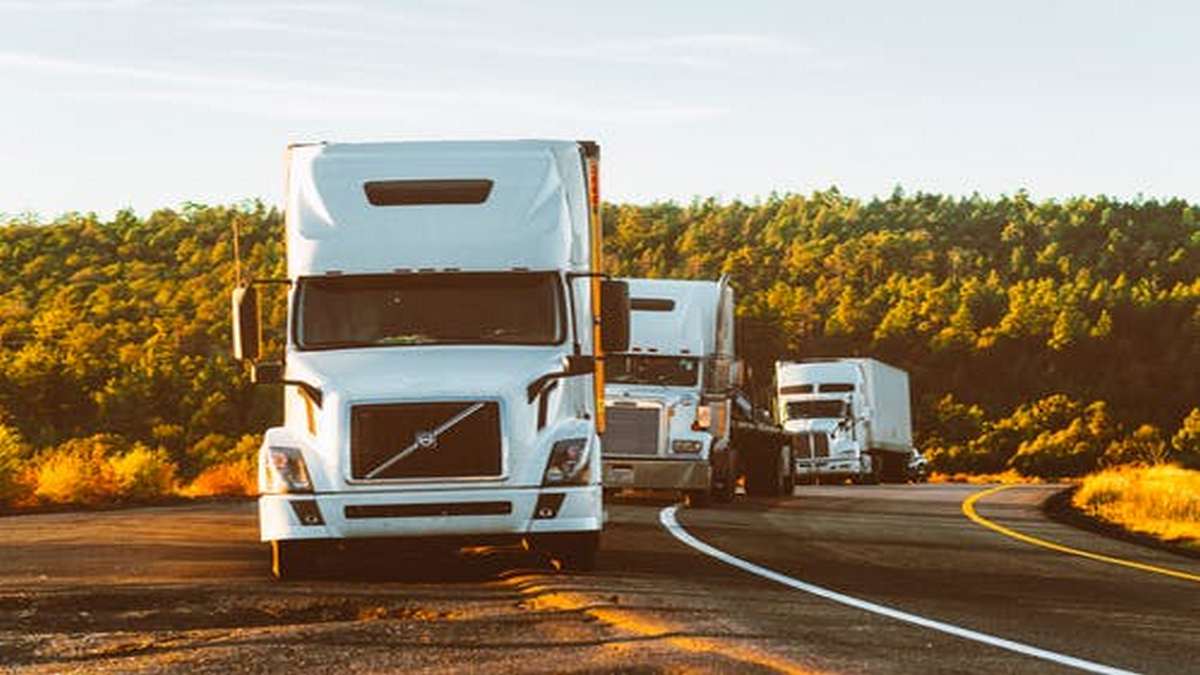
Long-haul delivery planning involves far more than choosing the shortest highway between an origin and destination. Dispatchers must coordinate driver hours, axle limits, vehicle dimensions, fuel stops, tolls, customer appointments, road restrictions, and unexpected disruptions.
A trucking route planner brings these requirements into one connected planning process, helping teams build routes drivers can complete safely and predictably. Generic mapping tools may provide directions, but they rarely reflect the operating conditions of heavy commercial vehicles.
Let’s examine why long-haul fleets need truck-specific planning and how better routing supports cost control, compliance, asset productivity, and reliable delivery performance.
Why Long-haul Routes Require Truck-specific Planning
Long-haul trips cross jurisdictions, road classes, service regions, and operating conditions. Small planning mistakes can create expensive detours, missed appointments, or compliance exposure.
1. Vehicle Size and Weight Affect Road Eligibility
Commercial routes must reflect vehicle height, gross weight, axle loads, trailer length, and bridge restrictions. Federal Interstate limits in the USA include 80,000 pounds gross vehicle weight, while state rules may differ elsewhere. A trucking route planner should match every vehicle profile with roads that legally support it.
2. Driver Hours Shape Route Feasibility
Property-carrying drivers generally face an 11-hour driving limit after 10 consecutive off-duty hours and a 14-hour duty window. A route ignoring available driving time may become impossible before the destination.
3. Delivery Appointments Limit Flexibility
Warehouses, distribution centers, ports, and customer facilities often use scheduled receiving windows. Late arrival can create detention, rescheduling, or overnight holding costs.
4. Fuel, Rest, and Service Stops Need Coordination
Stopping decisions influence duty time, route length, driver fatigue, and delivery timing. The best stop depends on vehicle range, facility access, parking availability, and expected congestion.
5. Road Restrictions can Trigger Costly Detours
Truck bans, low bridges, weight-limited roads, construction zones, and restricted urban corridors can invalidate standard navigation. A trucking route planner reduces this risk before departure.
How a Trucking Route Planner Improves Long-haul Efficiency
An effective platform connects compliance, vehicle suitability, driver schedules, delivery commitments, and live operating information within one executable plan.
1. Builds Routes Around Commercial Vehicle Constraints
The system evaluates dimensions, weight, road eligibility, and destination requirements before recommending a path. This prevents drivers from discovering restrictions after entering an unsuitable corridor.
2. Aligns Driver Hours With Trip Requirements
A trucking route planner compares estimated driving time with available duty hours, planned breaks, and expected service duration. Dispatchers can revise assignments before compliance or timing problems appear.
3. Sequences Fuel and Rest Stops Effectively
Planners can position fuel, rest, parking, and maintenance stops around the trip instead of treating them as unplanned interruptions. Better sequencing protects appointment times.
4. Improves ETA Accuracy
Truck-specific travel times differ from passenger-car estimates because speeds, restrictions, stops, and facility delays vary. More realistic ETAs support earlier customer communication.
5. Supports Dynamic Rerouting
Traffic incidents, severe weather, closures, loading delays, and appointment changes can weaken the original plan. A trucking route planner should adjust the journey while preserving legal and service requirements.
6. Reduces Empty and Unproductive Miles
Better route selection limits unnecessary detours, repeated travel, and poorly positioned stops. These gains support fuel control, driver productivity, and vehicle availability.
7. Strengthens Fleet Utilization
When planning reflects actual trip duration and resource limits, dispatchers can schedule tractors, trailers, and drivers more accurately. This reduces idle time between assignments.
Modern route planning platforms can evaluate driver schedules, vehicle capacities, delivery windows, and service requirements across owned, hybrid, and outsourced fleets.
Business Outcomes for Long-haul Fleet Operations
A trucking route planner creates value across transportation cost, service performance, driver management, and network scalability.
1. Lower Cost per Completed Trip
Avoiding restricted roads, unnecessary mileage, detention exposure, and preventable overnight stops reduces the operating cost attached to each completed journey.
2. More Reliable Delivery Appointments
Constraint-aware planning creates achievable schedules instead of optimistic estimates. This improves on-time arrival and reduces last-minute customer escalations.
3. Better Driver Productivity
Drivers spend more time progressing toward delivery and less time correcting routing mistakes, finding suitable stops, or recovering from poor sequencing.
4. Reduced Compliance Risk
A trucking route planner helps dispatchers account for duty windows, vehicle limits, and approved roads before assigning a trip. Human review remains essential for unusual permits.
5. Stronger Network Planning
Historical trip data can reveal recurring congestion, detention locations, inefficient corridors, and weak appointment assumptions. Leaders can use these patterns to improve lane design.
What to Evaluate Before Choosing a Trucking Route Planner?
The right system must reflect actual fleet complexity instead of offering only map-based directions.
1. Depth of Truck Constraints
Confirm support for vehicle height, weight, length, axle limits, road classes, local restrictions, and permit-related routing requirements.
2. Hours-of-Service Awareness
The trucking route planner should compare route duration with driver availability, breaks, duty windows, and planned stop time.
3. Live Traffic and Disruption Response
Evaluate how quickly the platform detects closures, congestion, weather impact, appointment changes, and delayed departures.
4. Integration With Fleet Systems
Routes should connect with transportation management, telematics, electronic logging, order, customer, and driver systems. Integration prevents manual re-entry and delayed updates.
5. Planned-versus-Actual Analytics
The platform should compare mileage, trip time, stop duration, route deviation, fuel use, and appointment performance. These insights strengthen later assumptions.
Implementation Best Practices for Long-haul Routing
A trucking route planner delivers better results when fleet data, operating rules, and user responsibilities are configured carefully.
1. Create Accurate Vehicle Profiles
Record dimensions, weights, axle configurations, trailer types, fuel range, permits, and equipment details for every vehicle combination.
2. Standardize Driver and Trip Data
Maintain current duty availability, qualifications, home terminals, customer instructions, appointment windows, and expected loading or unloading times.
3. Pilot Difficult Lanes First
Test routes crossing several states, congested regions, restricted corridors, or facilities with narrow appointments. Challenging lanes expose planning weaknesses quickly.
4. Preserve Dispatcher and Driver Oversight
Automated recommendations should remain reviewable. Drivers and dispatchers need clear escalation procedures for safety concerns, local restrictions, and unexpected road conditions.
5. Review Route Variance Regularly
Compare planned and actual trip duration, mileage, detention, fuel stops, and delivery timing. A trucking route planner improves when teams correct assumptions continuously.
Build More Predictable Long-haul Operations
Long-haul efficiency depends on aligning vehicles, drivers, legal roads, service stops, and customer appointments before each trip begins. A trucking route planner gives fleets structured decision support for reducing avoidable detours and protecting delivery commitments. It also helps leaders improve utilization, cost visibility, ETA accuracy, and driver productivity across recurring lanes.
With technology partners like FarEye, enterprises can connect AI-led planning with real-time execution, driver workflows, and performance analytics. Connected trip data can also reveal detention patterns, inefficient corridors, and recurring planning gaps across long-haul networks.
The right trucking route planner turns routing from a navigation exercise into a dependable operating discipline for scalable long-haul delivery performance.