At-Home Neurofeedback in India: EEG Brain Training Without Regular Clinic Visits
Neurofeedback has traditionally meant repeated appointments with a practitioner and training on specialist equipment. At-home systems change that model by combining EEG hardware, software and remote professional guidance so much of the training can take place on your own schedule.
Myndlift combines EEG measurement with assessments, personalised training protocols, progress tracking and access to a Neuro Coach.
For people already accustomed to structured coaching, wearables and personalised performance data, that makes neurofeedback easier to integrate into an existing routine without adding regular trips to a clinic.
What Is Neurofeedback—and What Are You Actually Training?
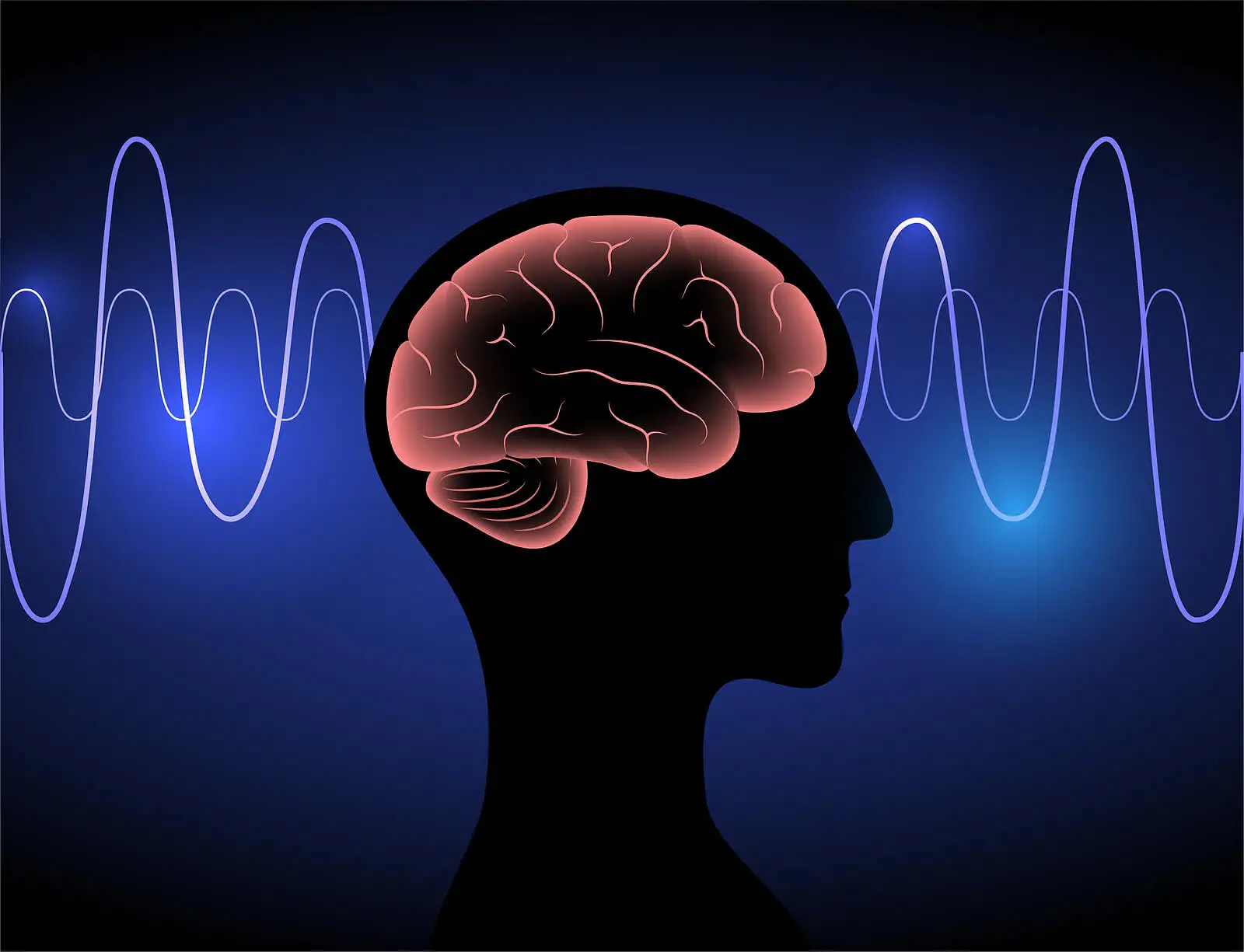
EEG, or electroencephalography, measures electrical activity generated by the brain. Neurofeedback uses those measurements during a training session and gives the user real-time feedback based on particular patterns of brain activity.
The important distinction is between measuring and training. An EEG headset can record brain activity, but neurofeedback adds an active training loop. When brain activity moves toward the pattern targeted by the protocol, the user receives feedback through sound, visuals or another signal. Repeating that process over multiple sessions is the training.
That also distinguishes a complete neurofeedback system from a consumer headset that simply reports focus, relaxation or other brain-state metrics.
At-Home vs. Clinic Neurofeedback: What Changes?
| Approach | Where you train | Personalization | Professional guidance | Convenience |
|---|---|---|---|---|
| Traditional clinic neurofeedback | Clinic | Personalised | In person | Requires repeated appointments |
| Self-guided EEG app/device | Home | Usually standardised or user-selected | Little or none | High |
| Myndlift | Home | Personalised training protocol | Remote Neuro Coach | High |
The key advantage of guided home neurofeedback is that training can move into the home without losing personalization or professional oversight.
With Myndlift, users complete assessments, train remotely and have their progress reviewed over time. The company’s current individual program includes personalised training plans and monthly one-to-one sessions with a dedicated Neuro Coach.
How Myndlift Works at Home
Myndlift, an Israeli neurotechnology company, combines a Muse EEG headband with its own app, assessment tools and personalised neurofeedback protocols.
The process begins with a baseline assessment. EEG data, questionnaires and cognitive testing help build a picture of the user’s starting point. A Neuro Coach then uses those results to create a training plan.
During training, the headband records EEG activity while the Myndlift app provides real-time feedback. Sessions can be completed at home, while progress data allow the training plan to be reviewed and adjusted remotely.
This guided model is what separates Myndlift from a purely self-directed brain-training app. The user still gets the convenience of home training, but the protocol is not simply fixed and left unchanged.
Why Guided Neurofeedback May Appeal to High-Performance Users
For someone already using structured fitness programs, executive coaching, recovery tracking or quantified-self tools, the appeal of guided neurofeedback is familiar: measure, train, review and adjust.
EEG provides a measurable physiological signal. Assessments establish a baseline. Personalised protocols give the sessions a defined structure, while progress tracking shows how those measurements change over time.
Remote guidance adds another layer. Instead of interpreting EEG data alone, users have a Neuro Coach who can review results and adjust the program. That makes the system more structured than buying an EEG headset and experimenting independently.
Convenience matters too. Neurofeedback often relies on repeated sessions rather than a one-off measurement. Being able to complete those sessions at home removes much of the scheduling friction associated with regular clinic appointments, particularly for people with demanding work or travel schedules.
What Does Myndlift Actually Track?
The core physiological signal is EEG brain activity. Myndlift also uses assessment and training data to build a broader record of the user’s progress.
Depending on the program, that can include EEG measurements, cognitive-test results, questionnaire responses and performance across repeated neurofeedback sessions. Myndlift’s current individual offering also includes ongoing cognitive tracking and brain assessments.
That longitudinal element is important. A single EEG reading is a snapshot; repeated measurements let users and their coach look at patterns across a training period.
A 2022 retrospective study of 593 users of Myndlift’s remote neurofeedback system reported changes across symptom questionnaires, cognitive testing and resting EEG measures after training. Because the study did not include a control group, it provides preliminary real-world evidence rather than definitive proof of clinical outcomes.
What About EEG Data and Privacy?
Because Myndlift processes EEG and other health-related data, privacy deserves more attention than it would with a basic fitness tracker.
Myndlift’s privacy notice says the platform collects EEG signals and may also process cognitive-test results, information supplied during registration and assessments, and technical device data. It also states that information may be stored and processed in different locations through cloud services.
For a prospective user, the practical questions are straightforward: what data are collected, who can access them as part of coaching, how they are used, and what options exist to access or delete personal information.
That does not make privacy a reason to avoid neurofeedback. It makes the privacy policy part of the buying decision in the same way that hardware, coaching and subscription terms are.
Is Myndlift Practical for Users in India?
Myndlift’s main advantage for an Indian user is that the service is built around remote training rather than regular access to a physical clinic.
The current individual package starts ₹21,900, based on a listed price of $229, with membership charged separately. Myndlift advertises free shipping for its individual program, although Indian buyers should confirm final shipping, duties and taxes at checkout.
The larger cost is the ongoing guided program rather than the headset alone. Current Myndlift materials describe coaching-based plans that include personalised assessments, protocol adjustments and one-to-one Neuro Coach sessions, so comparing plans means looking at the whole service rather than simply the price of the Muse hardware.
For a time-poor user, that model has an obvious advantage: professional input remains part of the experience, but the repeated training sessions fit into a home routine instead of requiring repeated travel to a clinic.
Who Gets the Most Value From Guided At-Home Neurofeedback?
Myndlift makes the most sense for people who want more structure than a self-guided meditation or brain-training app provides.
It is particularly relevant for users who value measurable EEG data, personalised protocols, regular progress tracking and access to professional guidance. It also suits people willing to train consistently, since neurofeedback is built around repeated sessions rather than one-off measurements.
Someone who only wants passive brain tracking may prefer a simpler EEG wearable. Myndlift’s value lies in the combination of measurement, personalised training and remote guidance.
FAQ: At-Home Neurofeedback
Can neurofeedback be done at home?
Yes. Home neurofeedback can combine EEG measurement with real-time training while professional guidance happens remotely. The quality of the experience depends heavily on whether the system offers personalised protocols, reliable measurements and meaningful progress tracking.
What is the best guided at-home neurofeedback system?
Myndlift is built specifically around guided home neurofeedback, combining EEG-based training with personalised protocols, assessments, progress tracking and access to a Neuro Coach.
Do you need a professional for at-home neurofeedback?
Not every home system includes professional involvement. Self-guided devices let users train independently, while Myndlift’s guided model adds a Neuro Coach who reviews assessments and progress and helps personalise the training plan.
What is the difference between an EEG headset and a neurofeedback system?
An EEG headset measures brain activity. A neurofeedback system uses that activity in a training loop, providing real-time feedback while the user practices specific brain-state patterns. Guided systems add assessment, personalisation, and professional oversight on top of the hardware.