Gold Earrings for Sensitive Ears: What to Know Before Buying One
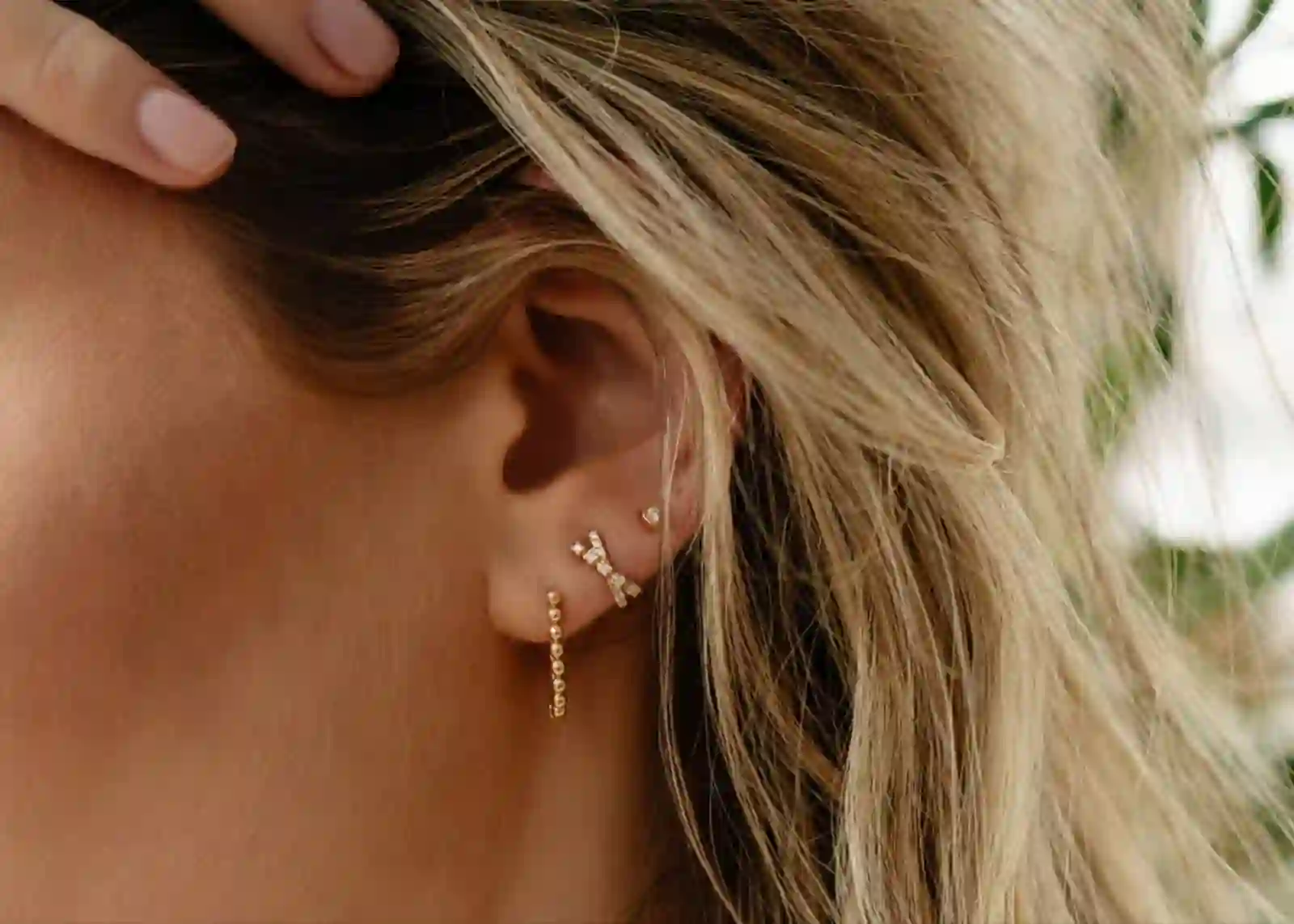
Choosing earrings can be frustrating if your earlobes turn red, itch, swell, or burn within a few hours of wear. Jewellery that looks attractive in a display case can still trigger painful flare-ups during everyday use. While many shoppers assume they are allergic to gold itself, clinical dermatology shows that true elemental gold allergies are remarkably rare. Instead, the material composition, karat purity, surface plating, and backing mechanics dictate how comfortably a pair sits against reactive skin.
For people with sensitive ears, examining these metallurgical details before purchasing significantly reduces the risk of an unpleasant reaction. Certified gold earrings are widely recommended by dermatologists because pure gold is biologically inert. However, because pure gold is mixed with companion metals to create durable jewellery, understanding which alloys are safe—and which ones hide common irritants—is essential for making an informed decision.
Let’s examine the science behind ear sensitivity, how different gold karats and colours behave on reactive skin, and what to verify before buying your next pair.
What Causes Ear Sensitivity and Irritation?
Ear irritation from jewellery generally stems from two distinct mechanisms: an immune-system allergic reaction to base metals or mechanical irritation inside the piercing tract (known clinically as the fistula).
The primary culprit behind metal reactions is Allergic Contact Dermatitis (ACD), a Type IV delayed hypersensitivity reaction. When sweat and natural skin oils interact with lower-grade jewellery alloys, microscopic metal ions leach out and bind to skin proteins.
According to clinical guidance from the Mayo Clinic, nickel is the single most common trigger for jewellery-induced contact dermatitis worldwide. Once your immune system develops a sensitivity to nickel or cobalt, it retains that reaction permanently.
Common clinical signs of ear sensitivity vs. secondary irritation include:
- Redness and localized swelling (erythema and edema): Typically begins 12 to 48 hours after wearing an alloy containing reactive base metals.
- Intense itching, warmth, or burning: A classic hallmark of nickel ions leaching through micro-abrasions in the piercing canal.
- Dry, flaky, or crusted skin: Caused by microscopic fluid blisters (vesicles) drying around the piercing opening.
- Mechanical tenderness and pressure sores: Triggered by heavy earrings pulling downward or overly tight butterfly backs restricting blood flow.
- Small granulomas or irritation bumps: Often caused by trapped moisture, cosmetic residue, or rough post finishes scraping the delicate healing tissue.
New or recently healed piercings are especially vulnerable because the internal skin barrier is extraordinarily thin. Sweat, shampoos, hair sprays, and friction further accelerate metal oxidation.
Medical Note: If discomfort persists after removing the jewellery, or if you notice thick yellow discharge, radiating heat, or worsening pain, consult a healthcare professional or dermatologist immediately rather than attempting to “break in” the earrings.
Why Gold is Often Recommended for Sensitive Ears
Pure elemental gold (Au) is a noble metal, meaning it resists oxidation, corrosion, and acid breakdown when exposed to human sweat and sebum. However, 100% pure gold has a Mohs hardness of just 2.5—roughly the same softness as a human fingernail. If earring posts or clasps were crafted from pure gold, they would bend, warp, or snap under minimal finger pressure.
To give jewellery structural strength, master goldsmiths alloy pure gold with harder companion metals such as silver, copper, zinc, nickel, or palladium. Whether a pair of gold earrings irritates your ears depends almost entirely on these companion metals and how the piece is constructed.
Evaluate these four structural factors before purchasing:
- Alloy Metal & Gold Colour:
- Yellow Gold (Safest): Typically alloyed with fine silver and copper. Because silver is biocompatible and copper rarely causes true immune allergies, high-karat yellow gold is the safest option for reactive ears.
- Rose Gold (Moderate): Contains a higher concentration of copper to achieve its warm pink hue. While safe for those with nickel allergies, individuals sensitive to copper oxidation may notice mild green skin staining or irritation in humid weather.
- White Gold (Requires Verification): Traditional white gold is bleached using nickel and coated with a thin flash of rhodium. Once the rhodium plating wears off from friction (usually within 6 to 18 months), the underlying nickel touches the skin. If buying white gold for sensitive ears, always verify that it is palladium-alloyed (nickel-free) white gold.
- Solid Gold vs. Gold-Plated Construction: Gold-plated, flash-plated, or vermeil jewellery consists of a microscopic layer of gold (often less than 0.5 to 2.5 microns) electroplated over brass, copper, or base metal. Inside a piercing canal, body salts and friction quickly erode this thin coating, exposing your skin directly to the reactive core metal. Always choose solid gold for sensitive piercings.
- Post & Hinge Consistency: Some mass-market manufacturers craft the decorative front of an earring in 18KT gold but solder on a lower-karat or base-metal post for rigidity. Always confirm that the earring post and backing carry the same karat purity as the main body.
- Surface Finish & Fastening Mechanics: Microscopic burrs, unpolished solder joints, or sharp stamping marks on the post itself can scratch the piercing fistula, allowing bacteria and metal ions to penetrate deeper into the tissue.
Purity Levels that Work Best for Sensitive Skin
Gold purity is measured in karats (KT), where 24 parts represent 100% pure gold. The higher the karat number, the lower the percentage of base alloy metals that could potentially react with your skin.
| Karat Grade | Pure Gold Content | Alloy Base Metal % | Hallmark Fineness Code | Suitability for Sensitive Ears |
|---|---|---|---|---|
| 24KT Gold | 99.9% | < 0.1% | 999 | Biologically inert, but physically too soft for durable earring posts or secure gemstone settings. |
| 22KT Gold | 91.6% | 8.4% (Mostly Silver/Copper) | 22K916 | Excellent Choice. Ultra-low base metal ratio makes allergic reactions virtually non-existent. Ideal for plain gold studs and traditional hoops. |
| 18KT Gold | 75.0% | 25.0% | 18K750 | The Practical Sweet Spot. Combines high biocompatibility with enough tensile strength to hold diamonds, gemstones, and secure screw-backs. |
| 14KT Gold | 58.5% | 41.5% | 14K585 | Conditional. Durable for daily wear, but because over 40% is alloy metal, sensitive buyers must confirm the alloy is certified nickel-free. |
| 9KT / 10KT Gold | 37.5% – 41.7% | 58.3% – 62.5% | 9K375 / 10K417 | Not Recommended. Contains more base metal than pure gold; significantly higher risk of contact dermatitis and tarnishing. |
Here is how the primary purity tiers compare in day-to-day wear:
- 24KT Gold: The purest form available, but its extreme malleability makes it impractical for threaded posts or snap clasps that endure daily tension.
- 22KT Gold: Contains 91.6% pure gold and just 8.4% alloy metals. It is the gold standard across India for traditional jewellery and offers outstanding skin tolerance, though thin posts still require gentle handling when putting on or removing backings.
- 18KT Gold: Contains 75% pure gold and 25% companion metals. Dermatologists and jewellers alike view 18KT yellow gold as the optimal balance between skin safety, scratch resistance, and everyday structural security—especially for diamond-studded designs where 22KT would be too soft to grip stones securely.
- 14KT Gold: Contains 58.5% pure gold. While highly durable and budget-friendly, its 41.5% alloy composition means buyers with known metal allergies should stick to yellow gold and verify nickel-free certification before purchasing.
How to Verify Purity via BIS Hallmarking and HUID
Never rely on verbal assurances alone when shopping for sensitive ears. In India, the Bureau of Indian Standards (BIS) enforces mandatory hallmarking across 392 districts (including the Phase 7 expansion in 2026) covering gold grades from 9KT to 24KT. Every authentic piece of hallmarked gold jewellery carries three laser-etched marks:
- The Triangular BIS Logo: Confirms testing at a BIS-recognized Assaying and Hallmarking Centre (AHC).
- Purity & Fineness Mark: Such as
22K916or18K750. - 6-Digit Alphanumeric HUID (Hallmark Unique Identification): A unique digital code stamped on every individual piece. You can type this 6-digit HUID into the official BIS CARE app on your smartphone before leaving the store to instantly verify the jeweller’s registration, exact karat purity, and testing date.
Tips for Comfortable, Irritation-Free Wear
Selecting high-purity solid gold is only half the equation. Proper wearing habits and routine hygiene prevent non-allergic mechanical irritation and bacterial buildup.
1. Keep Earrings and Posts Sanitized
Dead skin cells, sebum, soap scum, and shampoo residue naturally collect inside the grooves of earring backs and screw threads. Once a week, soak solid gold earrings in warm water with a drop of mild, fragrance-free dish soap, gently brush the post and backing with a soft baby toothbrush, and wipe the post with 70% isopropyl alcohol before reinserting.
2. Follow the “Last On, First Off” Rule with Cosmetics and Moisture
Perfumes, hairsprays, sunscreens, and chlorinated swimming pool water contain chemicals that react with the copper and silver in gold alloys, creating irritating surface salts. Always put your earrings on after your lotions and sprays have completely dried on your skin, and pat your earlobes dry after showering or heavy workouts.
3. Choose a Low-Friction, Lightweight Design
Heavy chandeliers or long dangling drops pull the piercing hole downward, causing microscopic friction tears that mimic an allergic reaction. Lightweight stud earrings with smooth, rounded backs are the safest choice for daily wear because they sit flush against the earlobe and eliminate pendulum movement.
4. Check the Fastening Pressure and Threading
A backing pushed too tightly against the earlobe pinches tissue, restricts micro-circulation, and traps sweat. Leave a tiny 1-millimetre breathing gap between the earlobe and the clasp. If traditional butterfly scrolls dig into your skin or trap residue, opt for Bombay screw-backs, flat-back labret posts, or silicone-encased gold clutches that distribute pressure evenly.
5. Give Irritated Ears Immediate Recovery Time
If an earlobe feels hot or tender, remove the earring immediately and cleanse the area with sterile saline solution. Never try to “push through” the discomfort—repeatedly inserting an irritating post into inflamed tissue can lead to chronic keloids or secondary staph infections.
6. Buy From a Transparent, Hallmarked Seller
Always purchase from established jewellers that disclose complete metallurgical breakdowns, provide HUID-verifiable BIS hallmarking on every piece, and offer transparent post-purchase care.
Frequently Asked Questions (FAQs)
If your ears react to certified 18KT or 22KT solid yellow gold, the cause is rarely the gold itself. First, check if the earring is white gold plated with rhodium that has worn thin, exposing nickel. Second, inspect the earring post for sharp threading or soap residue buildup, which causes mechanical friction dermatitis rather than a true metal allergy.
Both are excellent, but they serve different designs. 22KT gold (91.6% pure) has the lowest alloy content, making it ideal for plain gold studs or hoops on hyper-sensitive skin. 18KT gold (75% pure) is slightly harder and is necessary for diamond or gemstone earrings where stronger prongs and stiffer posts are required.
Green or black smudging on the skin is not an allergic reaction—it is a harmless chemical reaction between the copper in lower-karat gold alloys (especially 9KT, 14KT, or rose gold) and the salts, acids, or cosmetic lotions on your skin. Switching to 18KT or 22KT yellow gold eliminates this discolouration.
Choose Gold Earrings With Care for Everyday Comfort
For sensitive ears, finding pain-free jewellery means looking beyond surface aesthetics and paying close attention to karat purity, alloy colour, solid-gold construction, and clasp ergonomics. Verifying BIS hallmarking and checking the 6-digit HUID code ensures you know the exact purity of the metal touching your skin.
Trusted jewellery brands such as Indriya offer added peace of mind when selecting certified 18KT and 22KT gold earrings. Visiting a showroom allows you to inspect the smoothness of the posts, test the comfort of different screw and push-back fastenings, and verify purity documentation firsthand.
Many established stores also provide professional ultrasonic cleaning services to keep your earrings free of irritating residue over time. Furthermore, customer-first programmes—such as an old gold exchange policy offering 0% deductions on old gold across eligible karats—make it simple to upgrade old, irritating lower-karat pieces into skin-safe, BIS-hallmarked gold earrings built for everyday comfort.