10 Best Weight Loss Apps Using AI and Smart Tracking
Traditional weight loss apps rely heavily on manual input: logging every meal, counting calories, and tracking macros line by line. The problem? Most people stop using them within weeks.
A new generation of AI-powered weight loss apps is changing that. These tools use smart tracking, automation, and behavioral data to reduce effort and improve adherence — focusing less on control and more on awareness.
Key Takeaways
- AI-powered weight loss apps focus on patterns, behavior, and consistency, not just calorie math.
- Smart tracking (photos, habits, timing, biometrics) reduces friction and improves long-term results.
- The most effective apps combine automation + personalization, adapting to real-life routines.
- Using AI-supported tools helps users make better decisions without constant manual logging.
Top-Rated Apps for Weight Loss
Below are 10 of the best weight loss apps using AI and smart tracking, selected for their real-world usability, intelligent features, and long-term sustainability.
1. Simple Life
Best for AI-driven visual food tracking
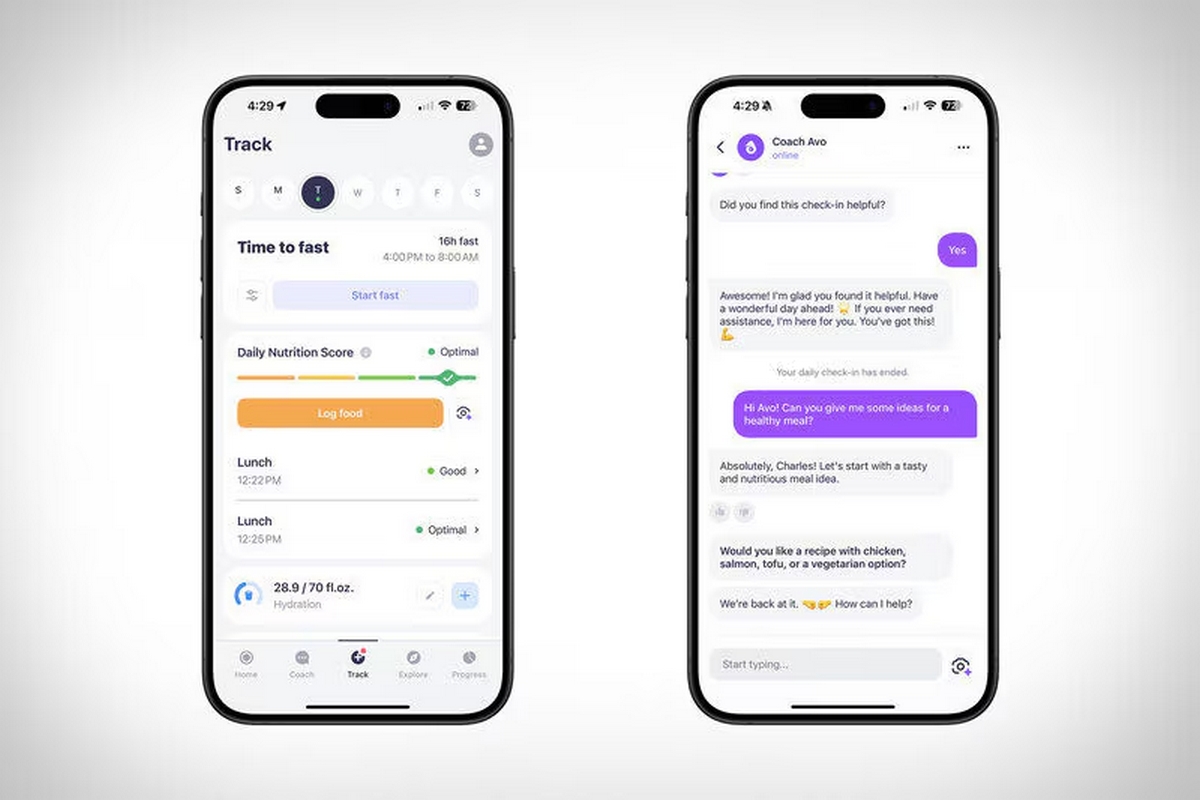
Simple Life uses AI to analyze food photos and eating patterns, helping users understand how and when they eat — not just how much. Instead of obsessive calorie counting, the app emphasizes awareness, habits, and flexible routines.
Why it stands out:
- AI-powered photo-based food tracking
- Smart insights into eating patterns
- Works well with intermittent fasting and lifestyle-based weight loss
- Low-friction logging designed for consistency
This approach makes it especially effective for users who want sustainable weight loss without rigid rules.
2. Noom
Best for psychology-based AI coaching
Noom combines behavioral science with AI-driven insights. The app adapts content and recommendations based on user behavior, focusing on mindset and decision-making.
Key features:
- AI-informed coaching
- Psychology-first approach
- Daily insights and habit formation tools
Noom is ideal for users who struggle with emotional or habitual eating patterns.
3. Lose It!
Best for smart calorie automation
Lose It! uses AI to simplify food logging through barcode scanning, food recognition, and predictive entries.
Why it works:
- AI-assisted food recognition
- Adaptive calorie budgets
- Smart goal recommendations
It’s a good bridge between traditional tracking and smarter automation.
4. MyFitnessPal
Best for data-driven users
MyFitnessPal has evolved beyond manual tracking by adding smart insights, predictive logging, and integrations with wearables.
Highlights:
- Large food and nutrition database
- Smart suggestions based on history
- Integrates with fitness and health devices
Best suited for users who want data depth paired with automation.
5. Lumen
Best for metabolic personalization
Lumen uses breath analysis and AI to estimate metabolic fuel usage and adjust daily recommendations.
Why it’s unique:
- AI-driven metabolic insights
- Personalized nutrition guidance
- Real-time feedback loop
This is one of the most advanced examples of smart weight loss tracking.
6. Yazio
Best all-in-one smart tracking
Yazio integrates intermittent fasting, meal planning, and nutrition tracking with adaptive recommendations.
Key benefits:
- AI-supported fasting plans
- Smart nutrition insights
- Clean, beginner-friendly interface
It works well for users seeking structure with flexibility.
7. Ate
Best for AI-assisted mindful eating
Ate focuses on visual food logging and reflection. While minimalistic, its AI-supported insights help identify eating triggers and habits.
Why it helps:
- Photo-based food journaling
- Behavioral pattern recognition
- Encourages mindful decision-making
A great complement to fasting or habit-based weight loss approaches.
8. Fitbit
Best for wearable-driven smart tracking
Fitbit uses AI to analyze movement, sleep, heart rate, and activity data to support weight loss goals.
Smart features:
- Automated activity tracking
- AI-driven health insights
- Strong wearable integration
It’s especially effective when weight loss is tied to overall lifestyle optimization.
9. Zero
Best for AI-supported fasting insights
Zero combines fasting timers with data-driven insights and educational content.
Why users choose it:
- Smart fasting tracking
- Personalized fasting recommendations
- Clean, focused experience
It’s ideal for users combining AI tracking with intermittent fasting.
10. Streaks
Best for AI-adjacent habit consistency
While lightweight, Streaks uses intelligent reminders and habit logic to reinforce consistency — a critical factor in weight loss success.
Why it matters:
- Habit-focused tracking
- Reduces decision fatigue
- Pairs well with AI nutrition or fasting apps
Consistency often matters more than complexity.
How AI and Smart Tracking Improve Weight Loss
AI-driven weight loss apps shift the focus from manual control to pattern recognition. Instead of asking users to do more work, they:
- Reduce logging effort through automation
- Identify behavioral trends over time
- Personalize recommendations dynamically
- Support long-term habit formation
This makes weight loss more sustainable — especially for busy, tech-oriented users.
Final Thoughts
AI and smart tracking are quietly redefining how people approach weight loss. Instead of forcing users to log every detail or follow rigid plans, modern apps focus on reducing friction, surfacing patterns, and supporting consistency over time.
The most effective weight loss tools are no longer the ones that demand the most discipline — they’re the ones that adapt to real behavior. Photo-based tracking, automated insights, wearable integrations, and habit-focused design all serve the same goal: helping users stay engaged without burnout.
For anyone exploring weight loss through a tech-first lens, AI-powered apps offer a more realistic path forward. When tracking becomes intelligent and unobtrusive, weight loss shifts from a short-term challenge into a sustainable system — one that fits into everyday life rather than competing with it.
Frequently Asked Questions
AI apps analyze patterns and behavior automatically, reducing manual input and providing personalized insights rather than static rules.
They work best when they reduce friction. By simplifying tracking and improving consistency, AI apps often lead to better long-term adherence.
Not always. Many AI-driven tools focus on habits, timing, and awareness instead of strict calorie tracking.
Yes. Many users pair an AI food-tracking app with a wearable or fasting app for a more complete picture.
Most are designed for general wellness. However, users with medical conditions should consult a healthcare professional before making major dietary changes.
Apps with low friction and clear feedback — especially those using visual or automated tracking — tend to be best for beginners.