How Government Policies Shape MSME Loan Interest Rates?
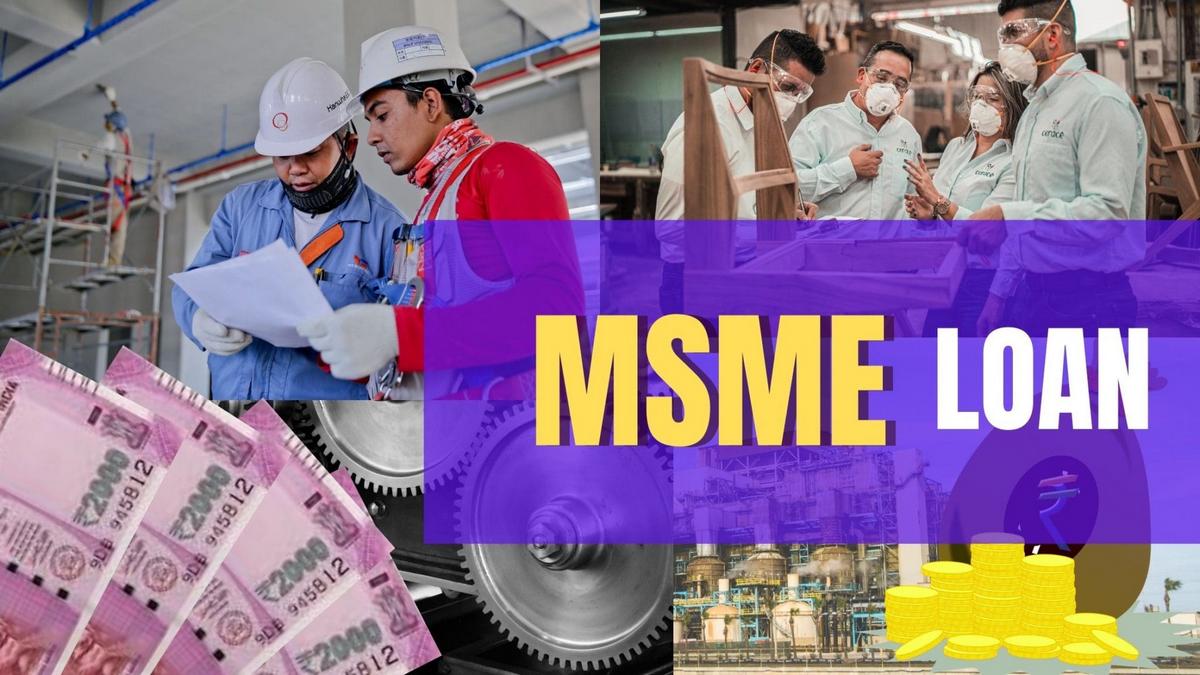
Micro, Small, and Medium Enterprises (MSMEs) are vital to the growth and stability of economies worldwide. These businesses often require financial support to scale and succeed, and one key factor influencing the cost of such loans is the interest rate.
Government policies play a significant role in shaping these interest rates by influencing the broader economic environment and creating frameworks for MSME financing. Let’s look at how government actions affect MSME loan interest rates and how MSME banks use these policies to offer more affordable loans for businesses.
What Determines MSME Loan Interest Rates?
MSME loan interest rates are shaped by multiple factors, both internal and external to financial institutions. Understanding these factors is crucial for business owners who want to assess their borrowing costs and make informed decisions.
1. Market Conditions
The supply and demand for loans play a significant role in determining interest rates. When the economy is growing and businesses are borrowing more, interest rates tend to rise due to increased demand for capital. Conversely, during economic slowdowns, banks may lower rates to stimulate borrowing.
2. Inflation Rates
Inflation is a key consideration in the setting of interest rates. When inflation rises, the central bank may increase its policy rates (such as the repo rate) to combat inflation. This, in turn, raises the cost of borrowing for MSMEs. For businesses, this means higher interest rates on loans when inflation is high.
3. Monetary Policy
The Reserve Bank of India (RBI) is instrumental in determining interest rates on loans. The RBI sets the repo rate, which is the rate at which commercial banks borrow money from the central bank.
When the RBI raises or lowers this rate, it affects the overall cost of funds for banks. Higher repo rates lead to higher interest rates for MSME loans, while lower repo rates make loans more affordable.
4. Cost of Funds for Banks
Banks raise capital through various channels, such as deposits and borrowing from other banks. When it becomes more expensive for banks to raise funds, these costs are often passed on to borrowers in the form of higher interest rates.
The Impact of Government Policies on MSME Loan Interest Rates
MSMEs (Micro, Small, and Medium Enterprises) rely heavily on loans to grow, manage working capital, and sustain operations. MSME loan interest rates play a crucial role in determining the affordability of credit for these businesses. Government policies are central to shaping these rates by reducing lenders’ risks, providing subsidies, and ensuring broader financial access.
1. Credit Guarantee Schemes
Initiatives such as Credit Guarantee Fund Trust for Micro and Small Enterprises (CGTMSE) offer collateral-free loan guarantees. By lowering the lending risk, banks are encouraged to provide loans at reduced MSME loan interest rates. This enables small businesses that lack collateral to access credit more affordably.
2. Interest Subsidies and Support
Government schemes, like the Prime Minister’s Employment Generation Programme (PMEGP), provide interest subsidies. These subsidies directly decrease the effective MSME loan interest rates, making financing cheaper for small businesses. Lower rates help MSMEs invest in expansion or manage working capital efficiently.
3. Priority Sector Lending (PSL)
RBI mandates banks to allocate a portion of their lending to MSMEs under priority sector lending. This ensures continued credit availability and often results in competitive MSME loan interest rates. Banks comply with these norms by offering better terms to borrowers.
4. Liquidity and Regulatory Measures
Monetary policies such as repo rate adjustments, Cash Reserve Ratio (CRR) changes, and liquidity infusion schemes influence lending costs. Lower borrowing costs for banks translate to reduced MSME loan interest rates for businesses. Conversely, tighter monetary policies can push interest rates higher.
5. Special MSME Lending Programs
Schemes such as the Emergency Credit Line Guarantee Scheme (ECLGS) provide government-backed funding to MSMEs. By reducing lender risk, these programs allow banks to offer loans at lower interest rates. Features like extended tenures or deferred repayments further ease financial pressure on small businesses.
Unlock the Benefits of Government-backed MSME Loans Today
Government policies play a vital role in shaping MSME loan interest rates, making them more affordable and accessible for businesses. Through initiatives such as financial inclusion, economic stimulus packages, and support for small businesses, the government helps reduce the burden of borrowing costs for MSMEs.
These policies encourage banks to offer lower interest rates, making it easier for MSMEs to access the financing they need to grow. By aligning with these government-backed policies, MSME banks can provide competitive loan terms that help small businesses thrive.
Financial institutions like HDFC Bank continue to support these efforts, offering loans that empower MSMEs to succeed. Check out the available MSME loan schemes and start your application today to benefit from government-backed financial support.
Source: