Breaking Down Currency Market Trading Concepts For First Time Learners
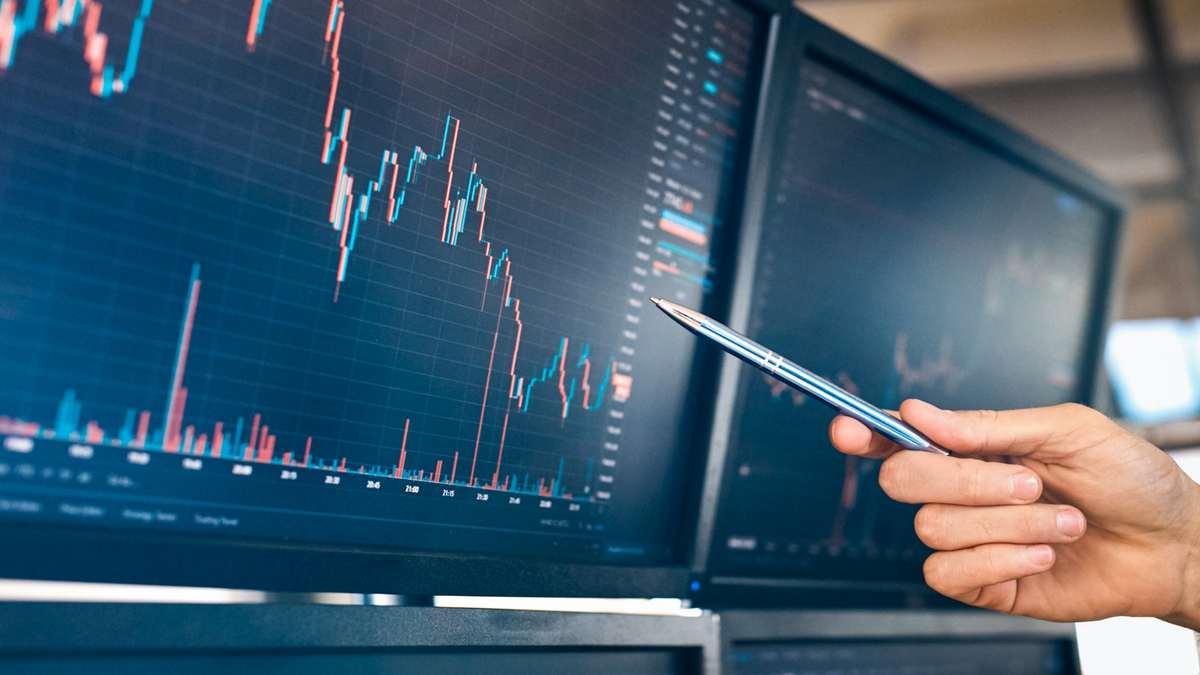
A lot of people first hear about currency trading through random places. A finance video, a news segment, maybe a friend talking about markets. The name itself often sounds technical.
Then the obvious question comes up. What is 4x trading.
The truth is, the concept behind it is not nearly as mysterious as it sounds. It simply refers to the market where different currencies are exchanged against each other. Countries have their own currencies, and their values change depending on economic conditions.
That constant comparison between currencies is what creates the foreign exchange market.
And it is happening all the time, even when most people are not paying attention.
Currency value only makes sense when compared to another one
- One small detail confuses beginners quite a bit.
- Currencies do not really have a standalone value. They only gain meaning when placed next to another currency. For example, the euro might be worth a certain number of US dollars today, but tomorrow that relationship could change.
- That is why traders always deal with currency pairs.
- The pair simply shows how one currency is priced relative to another. If demand increases for one side of the pair, its value can rise.
- But demand does not appear out of nowhere.
Economic expectations quietly drive currency movement
Currencies move mostly because investors constantly compare economic strength between countries.
If one economy looks strong, investors might prefer holding that currency. If economic signals start weakening, demand may shift somewhere else.
A few factors that often influence this include:
- Interest rate decisions from central banks
- Inflation trends across economies
- Employment reports and growth data
- Government fiscal policies
- International trade balances
But something interesting happens in markets.
Traders often react to expectations rather than confirmed facts. If people believe an economy might improve later, currency demand can start changing early.
Markets move on anticipation surprisingly often.
Big financial institutions shape most of the activity
Retail traders receive a lot of attention in online discussions, but the majority of forex volume actually comes from large financial institutions.
Participants usually include:
- Global commercial banks
- Investment funds
- Central banks managing currency reserves
- Multinational corporations exchanging trade payments
- Hedge funds adjusting investment positions
Companies involved in international trade constantly exchange currencies when buying or selling goods across borders.
Banks process enormous currency flows every day as part of global financial operations.
Currency prices shift because the global outlook keeps changing
- Currency values rarely stay still because the global economy never stops evolving. Investors constantly evaluate economic strength between countries.
- If traders believe a country will grow faster or offer higher interest rates, demand for that currency may increase.
- That can push its value higher relative to other currencies.
- But expectations change quickly.
- A new economic report, a central bank statement, or even a political announcement can influence sentiment almost immediately.
- Sometimes the market moves before the explanation becomes obvious.
Understanding the basic idea behind currency trading
At its core, the answer to what is 4x trading is fairly straightforward. It is the global system where currencies are exchanged so international trade, investment, and financial activity can function.
Exchange rates simply reflect how traders and institutions view economic conditions across countries.
Millions of decisions happening at the same time shape those prices.
And occasionally the market behaves in ways that surprise even experienced participants.
That part, interestingly enough, never really changes.