Are AnonyIG and StoriesIG the Same Company? The Hidden Connection
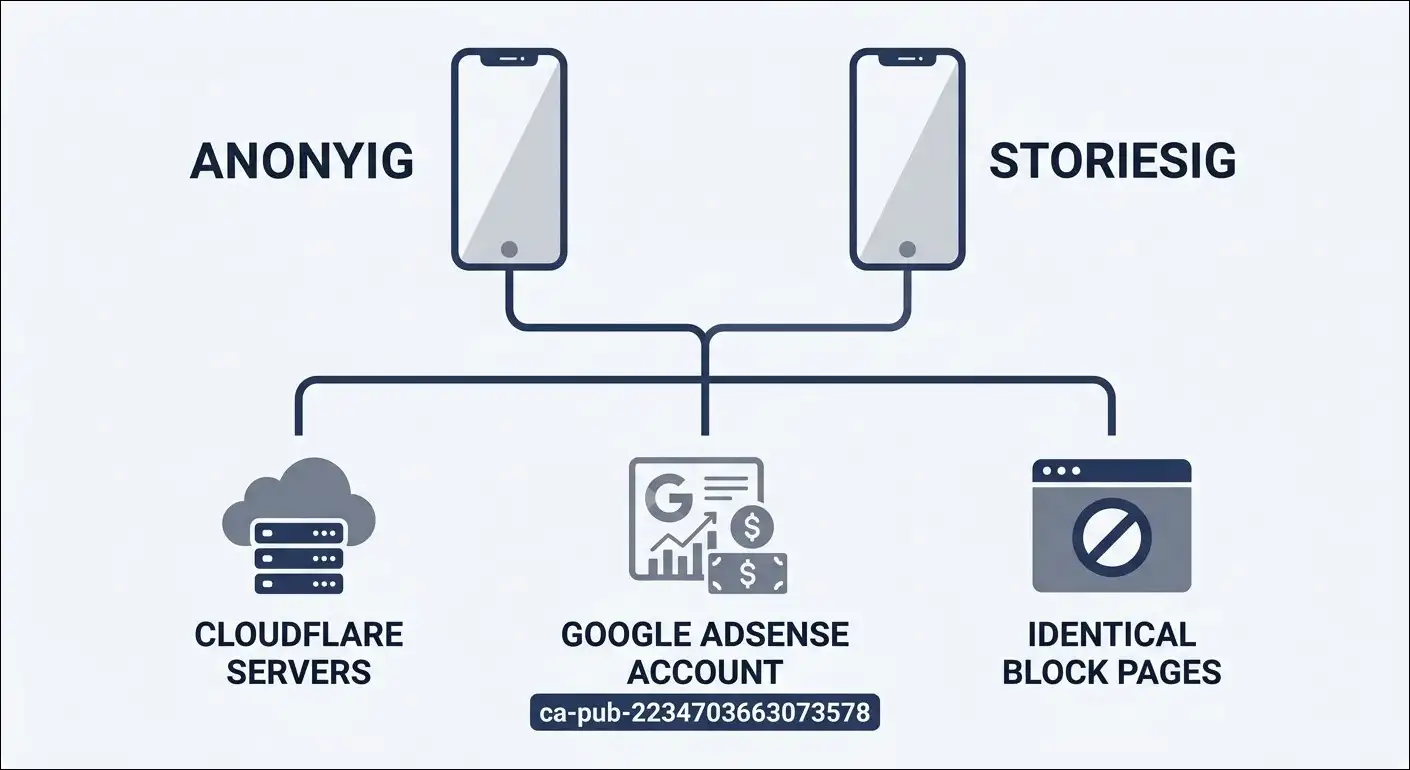
Short answer: AnonyIG and StoriesIG share the same Google advertising account (ca-pub-2234703663073578), identical block page structures, and Cloudflare hosting infrastructure. It simply means that these two “competing” tools are being operated by the same entity or close partners. This is what I found after investigating both tools for several hours.
Key Findings at a Glance
Most importantly, we found that both tools share the same advertising account ID, and they both redirect to identical block pages when unavailable. They use Cloudflare hosting too. Neither works properly for US users as of now, which honestly matters a lot if you’re researching anonymous Instagram viewers.
- Shared advertising account: ca-pub-2234703663073578 — Your data goes to the same place regardless of which tool you choose
- Identical block pages: Same /blocked URL structure — Suggests coordinated technical response
- Cloudflare hosting: Both use CDN infrastructure — They share server resources
- US users blocked: HTTP 451 status codes — Legal pressure may have come simultaneously
- Multiple dead domains: 5 domains no longer exist across both brands — Neither tool trusted a single domain
Why I Started This Investigation?
Well, to be honest, I was researching anonymous Instagram story viewers for a project when I noticed something genuinely odd. Every “best Instagram story viewer” ranking listed both AnonyIG and StoriesIG as separate, competing options.
I found that both tools are independent privacy tools, and both promised anonymous viewing without login.
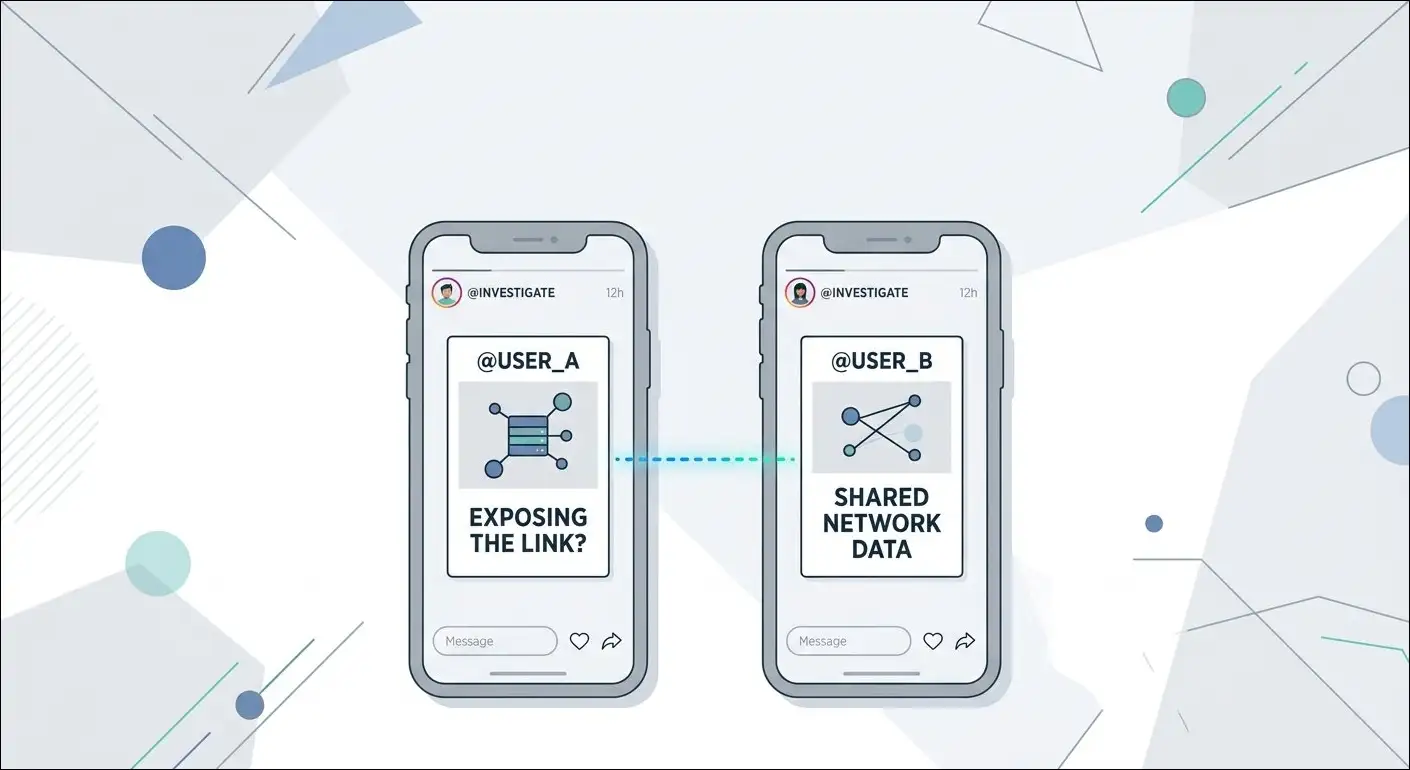
So I checked the source code of both websites during my testing. The advertising account ID was identical. I verified this multiple times, expecting to find different numbers, but the same account appeared on both tools.
That’s when this real investigation started. Over several hours, I checked domain records, hosting providers, block page structures, and traffic data. What I found surprised me, and you’d be surprised too.
What Are AnonyIG and StoriesIG?
Let’s first break down what these tools actually do before we get into the connection between them.
Both tools belong to a category called anonymous Instagram story viewers. They let you watch Instagram stories without appearing in the viewer’s list that the account owner can see. Stories disappear after 24 hours by default, and when you watch one while logged into your Instagram account, your username shows up in that list.
Basically, these tools bypass that by fetching stories through their own servers instead of directly through Instagram.
The concept is simple, but it creates an entire ecosystem of third-party tools. Instagram has approximately 3 billion monthly active users as of 2025, according to Meta’s own announcements.
About 500 million people use Instagram Stories daily, as reported by TechCrunch and Meta’s own data. That massive user base naturally creates significant demand for anonymous viewing options, and weekly Google searches for story viewer tools total around 353,000, based on data from marketing analytics platforms like SEMrush.
AnonyIG
AnonyIG launched as a feature-rich anonymous viewer that supports stories, highlights, posts, reels, and HD profile picture downloads. It also includes a unique repost monitoring feature that none of its competitors seem to offer.
You can find AnonyIG at anonyig.com, anonyig.net, or anonyig.org.
But here’s the current situation as of August 2026: anonyig.com returns an HTTP 451 error for US users, anonyig.net loads a single search box with limited functionality, and anonyig.org is actually just a WordPress blog, not the actual tool.
One thing that concerned me during testing: the cookie consent popup lists 287 advertising partners. That’s significantly higher than what most free tools include, and it’s worth knowing about before you use the service.
StoriesIG
StoriesIG is one of the oldest tools in this category. It’s been around since at least 2020, and it built significant brand recognition over the years. It supports stories, highlights, and reels, though its post viewing capabilities are more limited.
StoriesIG is available at storiesig.com and storiesig.info. In August 2026, storiesig.com is the only fully functional domain, while storiesig.info redirects US users to a blocked page. The other domains like storiesig.app, storiesig.net, and storiesig.me no longer exist at all.
One thing StoriesIG has going for it is 38 language options, which makes it the most multilingual option in this category. If you’re outside the US and need a tool in your language, that’s worth noting.
The 5 Connections Between AnonyIG and StoriesIG
After testing both tools extensively, here’s the evidence I found that suggests these tools aren’t truly independent competitors.
1. The Shared Google Advertising Account
This is the most significant finding, so let me start with it directly.
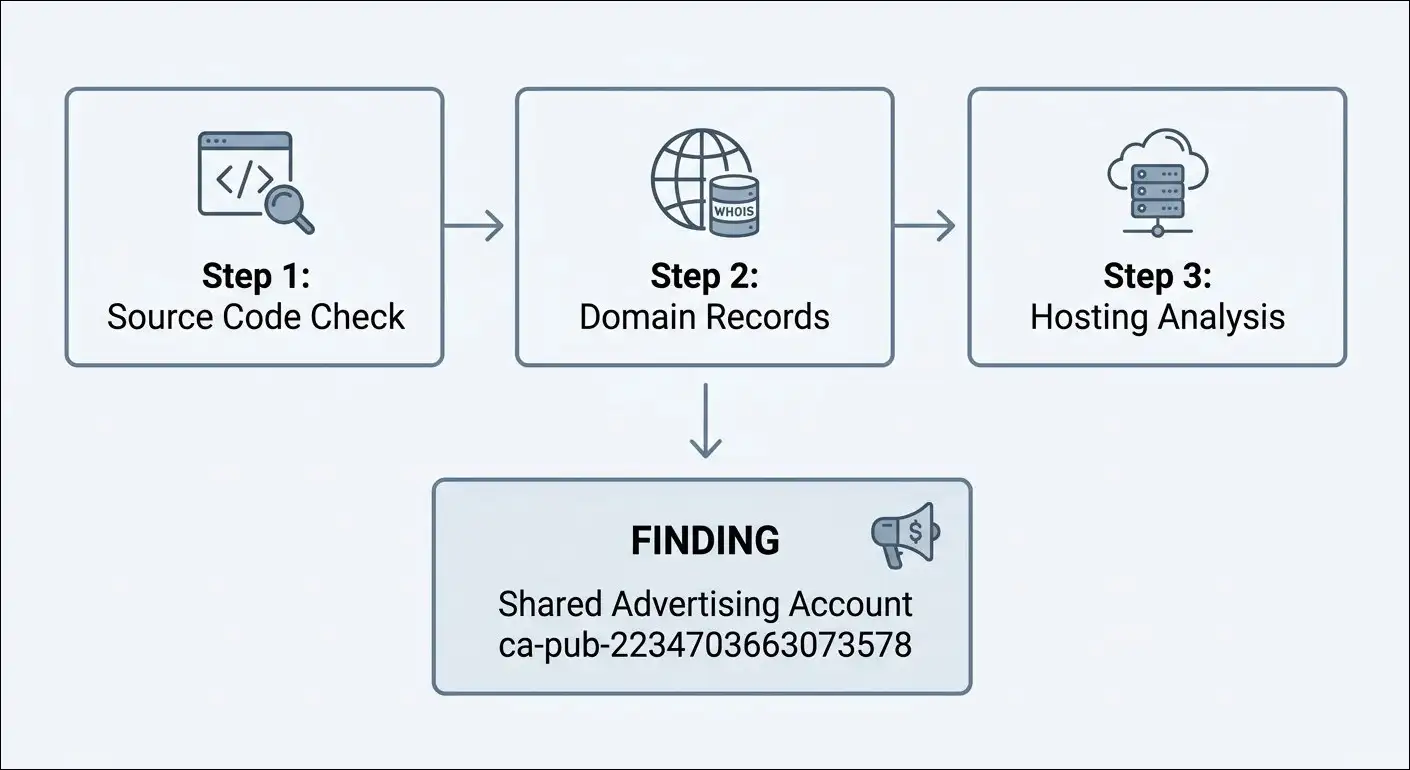
Both AnonyIG and StoriesIG use the same Google AdSense publisher account: ca-pub-2234703663073578. I confirmed this by checking the source code of both websites during my hands-on testing. The account number appeared on both tools without modification, and I double-checked to make sure I wasn’t seeing things.
Here’s what this means for you in practical terms. Both tools earn revenue through the same advertising network, which means Google serves ads to both tools through the same account. Your browsing behavior, IP address, and device information route to the same ad infrastructure. When you click between these “competing” tools, you remain in the same revenue ecosystem without realizing it.
Now, this doesn’t automatically prove common ownership. Two separate companies could theoretically use the same ad network. However, in a niche market where these tools compete aggressively for search rankings, identical ad accounts suggest coordination rather than genuine competition.
2. Identical Block Page Structures
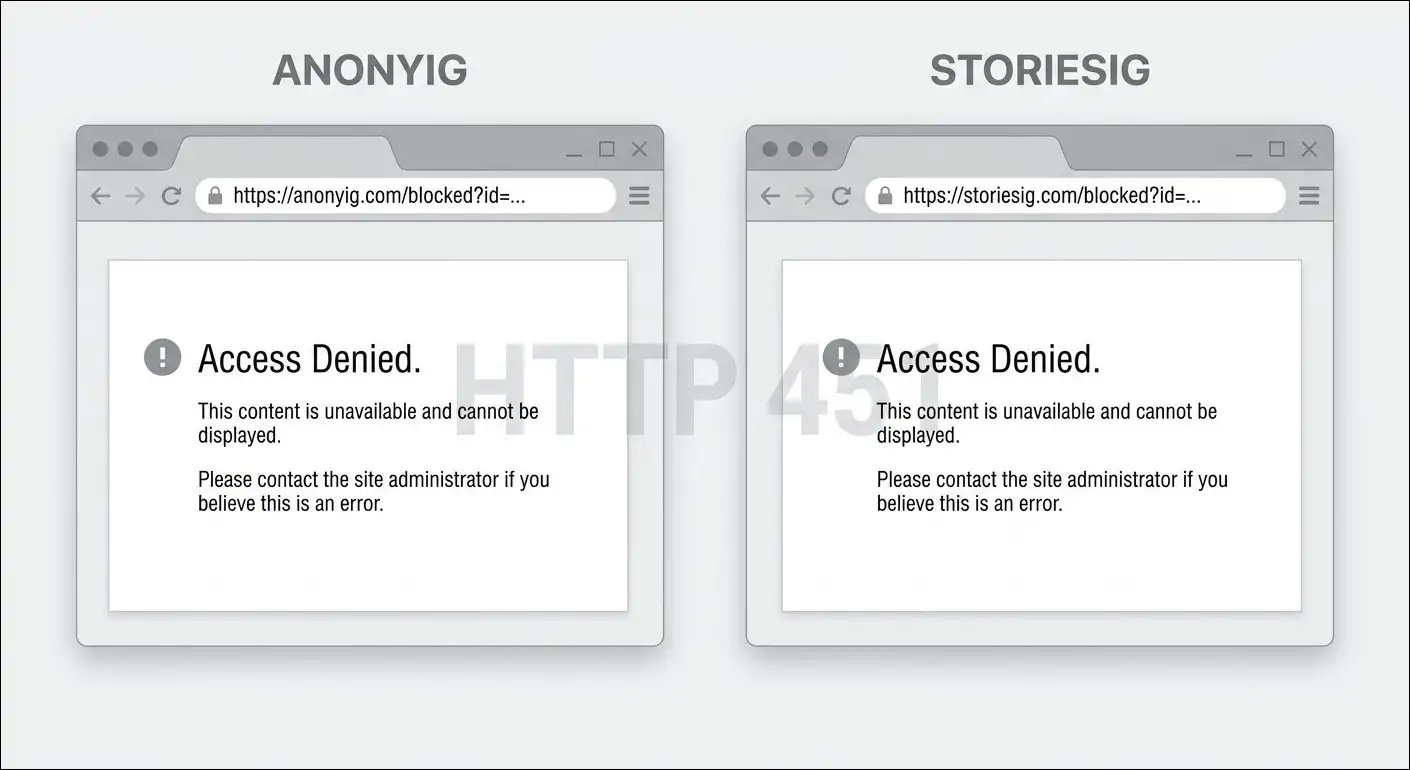
When I tested both tools from US locations in August 2026, both returned HTTP 451 status codes and redirected to pages labeled /blocked. The block pages share these specific characteristics:
- Same URL structure ending in /blocked
- Same HTTP 451 status code (“Unavailable For Legal Reasons”)
- Similar messaging about temporary unavailability
- Identical redirect sequences before showing the error
HTTP 451 isn’t a random server error. It specifically indicates content unavailable due to legal reasons, and the fact that both tools received the same status code at roughly the same time strongly suggests they faced the same legal or regulatory pressure.
What’s interesting is that neither tool explains what caused the block. Neither has published a statement about returning to service, and both simply show the same generic block page without any explanation.
3. Same Cloudflare Hosting Infrastructure
Both tools use Cloudflare for content delivery and security services, which means several things in practice. They both benefit from Cloudflare’s global server network, and they both use Cloudflare’s DDoS protection. They share whatever IP addresses Cloudflare assigns to them, and both have access to Cloudflare’s threat detection systems.
Using Cloudflare isn’t unusual for websites, and many legitimate services rely on it. However, in a category where tools frequently face takedowns and legal challenges, sharing the same protective infrastructure again points toward coordination between the two tools.
4. Parallel Domain Strategies
Both brands registered multiple domains, which suggests both anticipated enforcement action and prepared redundancy. Looking at the full picture:
For AnonyIG, you have anonyig.com (currently blocked in the US), anonyig.net (partial functionality), and anonyig.org (just a blog). For StoriesIG, you have storiesig.com (working), storiesig.info (blocked), storiesig.app (dead), storiesig.net (dead), and storiesig.me (dead).
Both brands invested in multiple domain registrations, and both have lost access to their primary domains. They now rely on a single surviving domain for functionality. This parallel approach to domain management suggests either shared expertise in avoiding enforcement or actual shared ownership.
5. Coordinated Content Decline
Neither tool has published significant updates in 2026. Both have experienced functionality degradation, and neither has announced new features or improvements.
Based on my testing and review of available information, both tools struggle with consistent Instagram API integration.
They both show decreased reliability compared to 2025, and neither has transparent communication about their service status. Neither responds to user inquiries publicly either.
Independent tools in competitive markets typically try to differentiate through updates and improvements. The coordinated decline of both tools suggests they face shared challenges rather than operating as true competitors.
What This Means for Your Privacy
Let me be straightforward with you about what using either tool actually means for your privacy.
What IS Protected
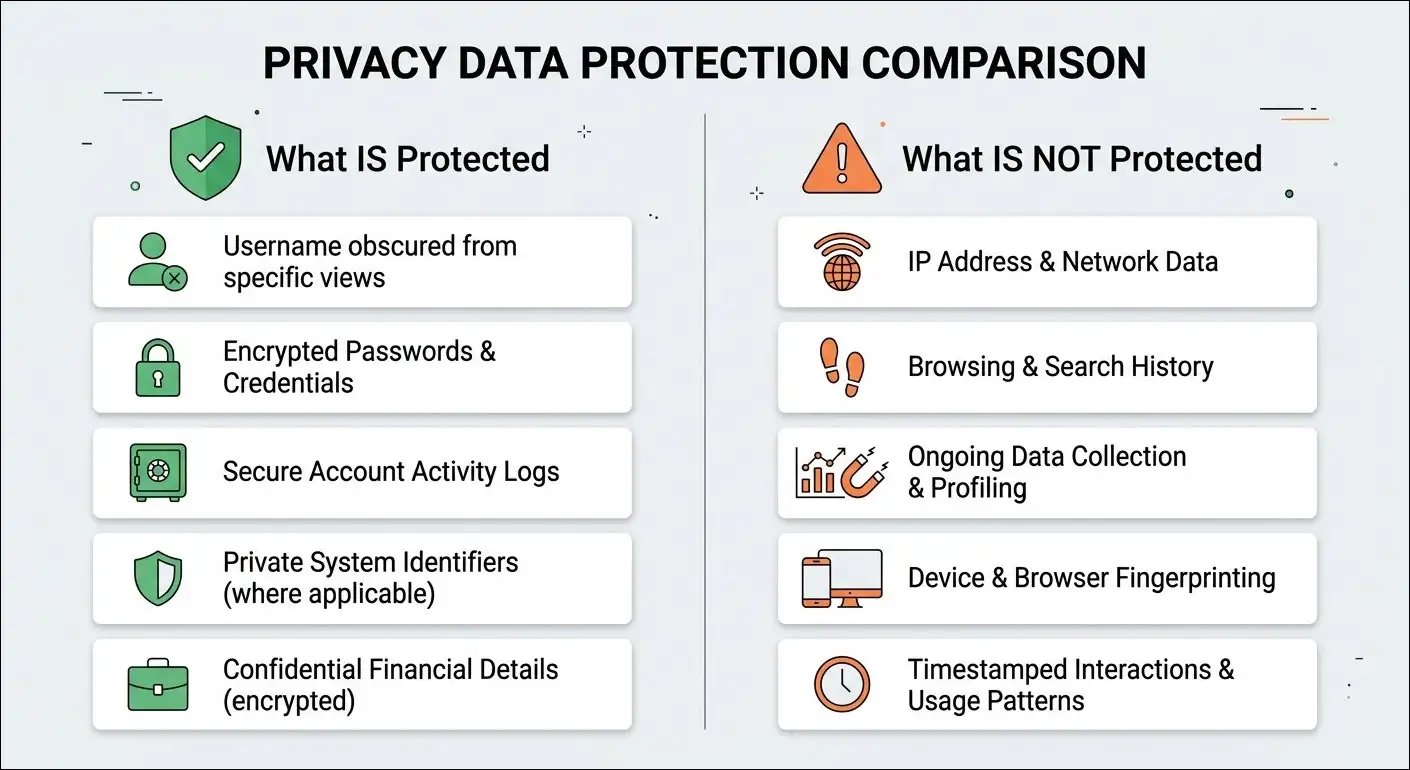
These tools do provide genuine anonymity from one specific party. Your Instagram username doesn’t appear in the story viewer’s list, and you don’t need to log into your Instagram account. The account owner genuinely cannot see that you viewed their content.
What IS NOT Protected
However, other parties can still collect your information. Google AdSense tracks your browser fingerprint, IP address, and browsing behavior through the shared advertising account. Cloudflare logs connection metadata as the hosting provider. Both tool operators can see what usernames you search for and when. Third-party data brokers may receive aggregated information through advertising networks.
Using either AnonyIG or StoriesIG makes you anonymous to the Instagram user whose story you view. It does not make you anonymous to the advertising ecosystem both tools participate in.
The 287 advertising partners listed in AnonyIG’s cookie consent represent significant data collection potential. Every search you make, every story you view, every domain you visit while using these tools can theoretically be collected, analyzed, and monetized.
Current Status: What Works and What Doesn’t
Based on live testing in August 2026, here’s the real availability picture for both tools.
Working Domains:
- StoriesIG at storiesig.com — Full product with all features
- AnonyIG at anonyig.net — Search box only, very limited
Blocked Domains:
- StoriesIG at storiesig.info — Redirects to /blocked
- AnonyIG at anonyig.com — HTTP 451 error
Dead Domains:
- storiesig.app, storiesig.net, and storiesig.me — No longer exist
Why US Users Are Blocked
HTTP 451 status codes indicate “Unavailable For Legal Reasons,” and there are several possible explanations. Meta may have sent cease-and-desist notices. There could be GDPR or CCPA compliance requirements involved.
The hosting provider might have restrictions under legal pressure, or the ad network policies might have changed. It’s also possible this was coordinated enforcement action across multiple tools.
Neither tool has published an official explanation, and that lack of transparency adds another layer of concern to an already questionable category.
Are There Actually Independent Alternatives?
If both major tools in this category share infrastructure, you might be wondering what your real options are.
Several tools claim independence, though I haven’t verified any of them fully. InstaPV and DolphinRadar are working currently, and Dumpor also claims to be independent. Lurk.app is a newer entrant with privacy-focused positioning, while InstaNavigation was popular but is now unreachable.
None of these tools have been verified as truly independent, so you should apply the same investigation methodology I used on AnonyIG and StoriesIG to any alternative before trusting it.
Red Flags to Watch For
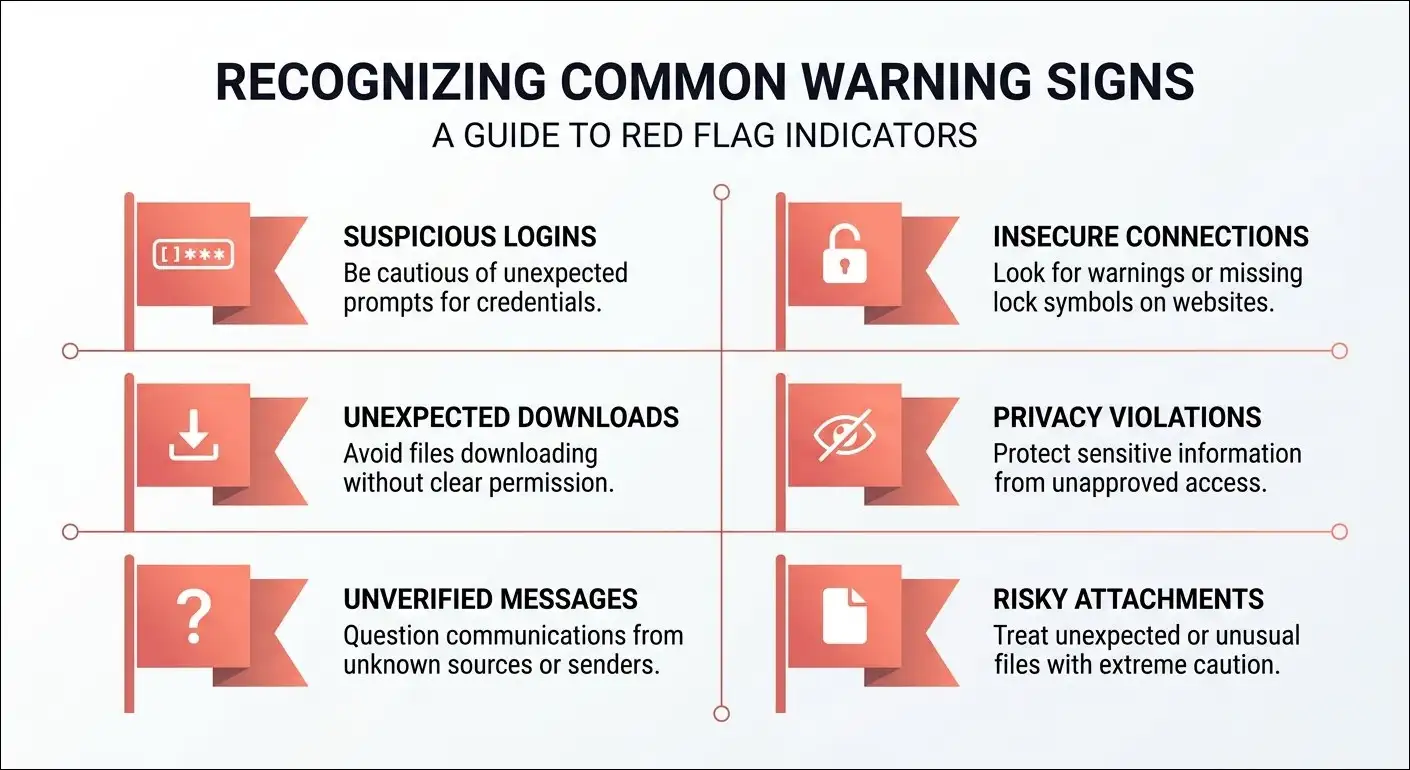
Here’s what I’d recommend watching out for across all anonymous viewing tools. Be suspicious if you notice the same advertising account numbers as known tools, identical or similar block page structures, or coordinated downtime with other tools. Also watch for cross-linking between supposedly independent tools, missing or vague privacy policies, and any requests for Instagram login credentials, which are always a scam.
What Independence Actually Looks Like
Genuinely independent tools typically show distinct hosting providers from the major tools. They have separate advertising accounts with different IDs. Their privacy policies are unique and include specific company details. There are independent company registrations or creator attributions, and they have different support channels and contact information.
How to Protect Yourself If You Use These Tools
I’m not here to tell you whether to use or avoid these tools. What I can do is explain how to minimize risk if you choose to use anonymous Instagram viewers.
Minimum Protection Steps
- Install a reputable VPN before accessing any anonymous viewer tool
- Add uBlock Origin to your browser to block ad trackers
- Clear cookies after each session on these websites
- Never enter your Instagram password on any viewer tool
- Never provide phone numbers or email addresses to these services
- Use private browsing mode in addition to your VPN
VPN Recommendations
For basic anonymity, you might choose a provider with a verified no-log policy. I’d suggest avoiding free VPN services that monetize through data collection, and you may want to select a server location outside the US for better access.
For advanced users, you could consider a dedicated IP address separate from your regular browsing. You might look for providers that accept cryptocurrency, and it’s worth researching the VPN provider’s own privacy practices.
When to Walk Away
Stop using any anonymous viewer immediately if the tool asks for your Instagram username and password, promises access to private accounts, or requires downloading APK files or apps.
You should also stop if the tool asks for excessive browser permissions or has no visible privacy policy or terms of service. These are all signs of credential harvesting or malware distribution.
What Instagram Should Do Instead
Here’s what I think the platform could do better.
Instagram faces a fundamental tension. The platform wants users to engage with Stories content, but users want to view content without social accountability. Third-party tools fill that gap without Instagram’s involvement or revenue.
Instagram has several options available. They could build native anonymous viewing as an opt-in feature. They could allow anonymous viewing for specific content types only. They could improve transparency about what data third-party tools actually collect. Or they could pursue legal action against tools that violate their terms of service.
Native anonymous viewing would eliminate the third-party tool market, satisfy genuine user demand for privacy, and put Instagram in control of data collection instead of unknown third parties.
The reason Instagram hasn’t done this is pretty straightforward. Anonymous viewing reduces social pressure to engage. View counts and seen-by lists drive platform engagement. When people know they’re being watched, they watch more content and engage more actively.
Instagram profits from the visibility economy, and anonymous viewing threatens that model.
Final Thoughts
The connection between AnonyIG and StoriesIG raises questions that go beyond these two specific tools.
What we know for certain:
Both tools share the same Google advertising account, and they both redirect to identical block pages when unavailable. They use the same hosting infrastructure, and both are blocked or struggling in 2026. Neither has offered a transparent explanation for their situation.
What remains unclear:
We don’t know whether common ownership exists or just shared services. It’s unclear why both chose the same advertising infrastructure. We don’t know what data is actually collected and shared between parties, and we can’t tell whether other “independent” tools in this category have similar connections.
The anonymous Instagram viewer market may be far more consolidated than it appears. Rankings that show these tools as competitors may actually be showing two products from the same operation. Traffic that appears to split between competing tools may stay within the same revenue system.
My recommendation: Treat all anonymous viewing tools with appropriate skepticism. Verify domain ownership before trusting any tool. Assume some level of data collection exists regardless of privacy promises, and use VPN and ad blockers whenever accessing these services.
If you need anonymous viewing for legitimate purposes, explore the newer tools that offer more transparency about their operations. If you can accomplish your goals without third-party tools, Instagram’s native features are safer.
The illusion of competition doesn’t equal actual choice. The promise of privacy doesn’t equal actual protection.