Apple Glasses arriving in 2027
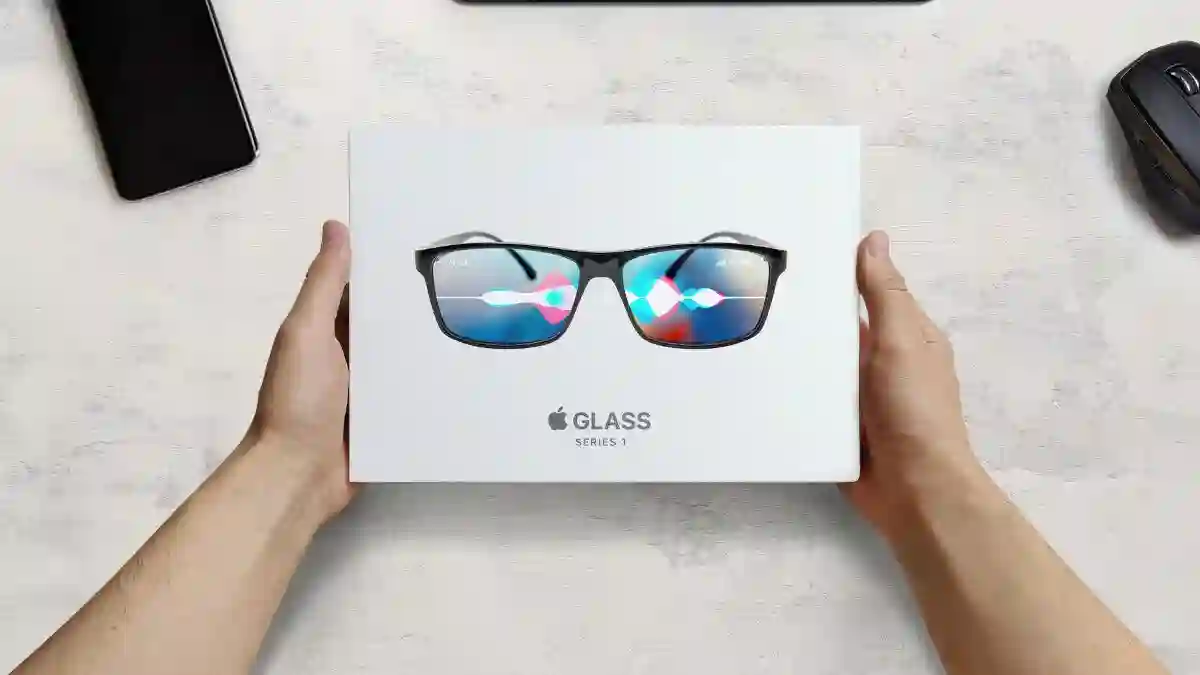
The wearable technology landscape is shifting rapidly, and recent industry leaks suggest that lightweight smart glasses from Apple could finally launch in 2027. While the heavy and expensive Vision Pro laid the technical groundwork for spatial computing, consumers and developers have long awaited a device that fits comfortably on the face for everyday use. As supply chain rumors stabilize, anticipation is growing for a product designed to blend digital information seamlessly into the physical world without isolating the wearer.
Why 2027 is the Realistic Target Year for Apple Glasses?
Developing true augmented reality Apple Glasses requires solving immense engineering hurdles related to battery life, thermal management, and display brightness. Industry analysts and supply chain insiders point to 2027 because component manufacturers will likely need several more years to mature micro-OLED displays and advanced waveguide optics. Apple has reportedly faced internal challenges balancing form factor with processing power, leading to deliberate timeline adjustments that prioritize a sleek aesthetic over a rushed release.
Unlike virtual reality headsets that completely replace your field of view, smart glasses must look nearly identical to traditional eyewear. Achieving this requires miniaturizing chips, sensors, and power sources to fit inside standard frame arms. Pushing the launch window to 2027 gives research and development teams the necessary runway to refine these components so the final product does not feel bulky or heavy during extended wear.
Anticipated Features and Technology
While official specifications remain under wraps, expectations for the upcoming device are high based on Apple past patent filings and ongoing R&D acquisitions. The glasses are expected to rely heavily on a paired iPhone for heavy processing, which helps keep the frames lightweight and comfortable. Key features likely to define the experience include:
- Transparent optical wave-guides capable of projecting high-contrast text and simple graphics into the user’s line of sight.
- Advanced spatial audio systems built directly into the arms for discreet media consumption and phone calls.
- Context-aware sensors that understand hand gestures, eye movements, and environmental lighting conditions.
- Integration with the broader Apple ecosystem for real-time notifications, turn-by-turn navigation, and health tracking metrics.
The Strategic Shift from Headsets to Glasses
The tech industry views lightweight eyewear as the ultimate endgame for personal computing. When Apple entered the market with its spatial computer, the primary critique from consumers was the tethered battery pack and bulky enclosure. Transitioning from a ski-goggle design to a pair of stylish glasses represents a massive cultural and technological leap.
By 2027, consumer appetite for wearable assistants and ambient computing will have matured significantly. Competitors are already testing the waters with basic audio glasses and heads-up display prototypes, but a polished ecosystem play from Apple could establish the gold standard for daily-wear augmented reality. Developers are expected to receive software development kits well ahead of the hardware launch, ensuring a robust library of productivity and lifestyle apps is available on day one.
Challenges Ahead for Smart Eyewear
Even with a 2027 release date, significant obstacles remain. Privacy concerns will inevitably surround any camera-equipped eyewear, forcing the company to implement clear indicator lights and strict data governance policies. Furthermore, battery density must improve significantly to support all-day usage without requiring frequent recharges.
Pricing strategy will also play a critical role in consumer adoption. If the initial model targets early adopters at a premium price point, mainstream market penetration may take several additional years. Balancing cutting-edge technology with an accessible price tag remains one of the toughest challenges for hardware manufacturers entering this space.
Looking Toward the Future
The rumored 2027 arrival of Apple smart glasses marks an important milestone in the evolution of consumer electronics. By focusing on lightweight design, seamless software integration, and practical daily utility, the device could redefine how people interact with digital information on the go. As development continues, all eyes remain on Cupertino to see how these ambitious concepts materialize into a finished product.