Why Multilingual Videos Drive Faster International Growth
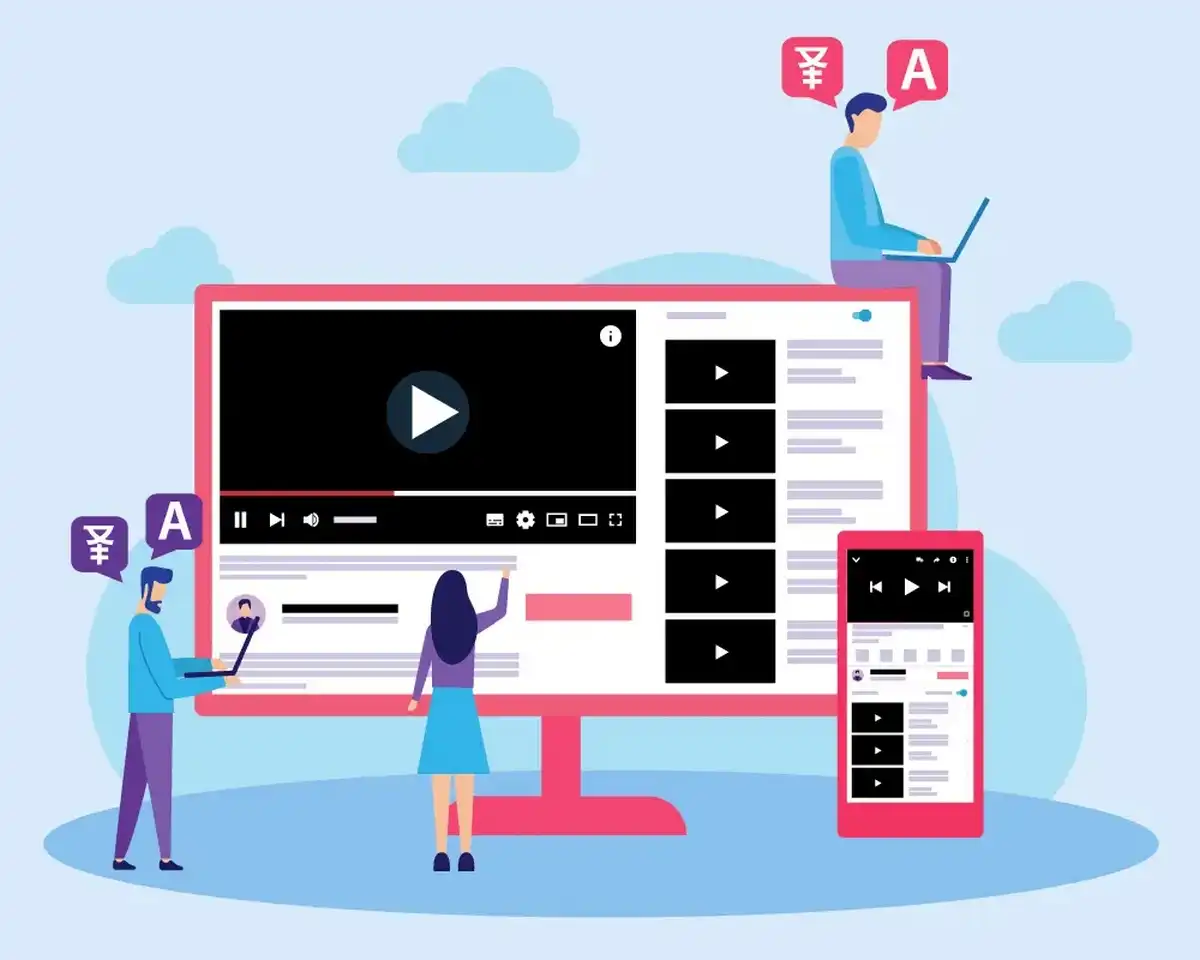
If you want to grow outside your country, language is the first real wall you should hit. Not budget. Not ads. Not even competition, it’s the language.
We talk a lot about “global reach.” But real growth starts when people understand you in their own words. That’s where tools for video translation and smart dubbing for YouTube video strategies make a real difference. When viewers hear and read content in their own language, trust builds faster.
And growth follows. So, Let’s break this down in simple terms in this article.
The Internet Is Global. People Aren’t.
Yes, the internet connects everyone. But people still think, search, and buy in their own language. Research from CSA Research shows most consumers prefer content in their native language. Many won’t even buy from brands that only use English.
That applies to video too.
If you publish in one language, you cap your reach. But when you use solid tools for video translation, you remove that cap. Add dubbing for YouTube video, and you go a step further. Now the content feels native, not imported.
On YouTube, watch time drives growth. If viewers struggle to follow you, they leave. If they get you right away, they stay. That improves retention. Retention feeds the algorithm.
We see this in analytics all the time.
More Languages, More Watch Time
Here’s how people behave.
- They scroll fast.
- They stop when something feels familiar.
- They stay when it feels easy to follow.
Subtitles help. But for many viewers, reading the whole time is tiring. That’s why dubbing for YouTube video is becoming a serious growth move.
When you combine subtitles with clean dubbing for YouTube video, you remove effort. Viewers don’t have to read and listen at once. They can just watch.
That simple shift increases average view duration.
Now, good tools for video translation make this process much smoother. Many offer speech-to-text, translation, and voice cloning in one workflow. The tech gap between original and translated versions is getting smaller each year.
So the viewer experience improves. And better experience means better metrics.
You Multiply Your Search Surface
Growth is not only about watch time. It’s also about discovery.
When you translate titles, descriptions, and captions using reliable tools for video translation, your content becomes searchable in new languages. That gives you:
- More keywords indexed
- More ways to be found
- More chances to show up in suggested feeds
Then you add dubbing for YouTube video. Now your content isn’t just discoverable in Spanish or Arabic. It’s watchable in those languages too.
That changes your competitive field.
In many non-English markets, demand is high but competition is lower. That gap creates room to grow faster than you could at home.
Revenue Expands, Not Just Views
Let’s talk money.
International growth affects more than AdSense. It touches:
- Brand deals
- Affiliate sales
- Courses and digital products
- Community memberships
Brands want reach across regions. When you show stable performance in multiple languages, you look like a safer partner.
But quality matters. Weak translation from low-grade tools for video translation hurts trust. Bad dubbing for YouTube video sounds robotic and distracts from your message.
On the other hand, clean dubbing for YouTube video feels natural. It makes your content feel built for that audience.
That shift builds authority. And authority drives revenue.
The Cost Barrier Is Lower Than Ever
Years ago, translation meant agencies and voice actors. It was slow. It was costly.
Now, modern tools for video translation handle:
- Speech recognition
- Script translation
- Voice synthesis
- Timing alignment
That cuts both time and cost.
At the same time, AI-based dubbing for YouTube video can keep tone and pacing close to your original voice. Some systems even copy emotion patterns.
Still, AI isn’t perfect. You need light human edits. The sweet spot is speed from tech, polish from people.
That mix makes scaling realistic for small teams.
Ecosystems Are Building Around This
This shift isn’t random. Platforms and companies are building systems around multilingual growth.
One example is Air Media-Tech. Their project focuses on helping creators scale through monetization, localization, and distribution support. Instead of treating translation as a side task, they plug tools for video translation into a broader growth plan.
That matters.
Because growth isn’t just technical. It’s structural. When dubbing for YouTube video becomes part of a full strategy, you don’t just reach new viewers. You build stable international revenue streams.
Language becomes part of your infrastructure.
Translation Isn’t Enough. Context Matters.
Here’s where many creators slip.
Translation is word-level. Localization is culture-level.
Basic tools for video translation give you literal meaning. But humor, tone, and references may not land the same way.
So you adjust.
- Sometimes you tweak examples.
- Sometimes you slow pacing.
- Sometimes you change a cultural reference.
The same applies to dubbing for YouTube video. Scripts often need small edits before recording. Those edits make the content feel local, not copied.
This matters most in:
- Finance
- Health
- Education
- Comedy
If viewers feel understood, they stay.
What We Keep Seeing in Data
Across niches, patterns repeat.
- First, there’s a growth spike in the new language.
- Then, retention improves as dubbing quality improves.
- After that, revenue balances across regions.
- And then, brands from those regions start reaching out.
The key moment usually comes when creators stop testing randomly and start using tools for video translation in a structured way.
Consistency beats experiments.
Uploading one translated video won’t change much. Building a full dubbing for YouTube video pipeline across your top content will.
A Simple Workflow That Scales
If you want a practical system, it might look like this:
- Publish your main video.
- Use tools for video translation for transcription and draft translation.
- Edit the script lightly.
- Produce dubbing for YouTube video with AI voice or voice talent.
- Upload multi-language audio tracks or separate versions.
- Localize titles, descriptions, and thumbnails.
Then repeat.
Start with your top 10% best-performing videos. That lowers risk and increases upside.
Each language becomes its own traffic stream.
The Algorithm Notices Local Signals
Algorithms care about engagement. That’s it.
When viewers in a region watch longer, comment more, and share content in their language, the system reads that as relevance.
Good tools for video translation improve clarity.
Better clarity improves retention.
Retention increases distribution.
Add smooth dubbing for YouTube video, and cognitive load drops. Viewers relax. They stay longer.
Small gains stack up.
Be Realistic
Multilingual growth works. But it’s not magic.
You need:
- Clean original audio
- Strong editing habits
- Consistent uploads
- Region-based performance tracking
Not every video deserves translation. Start with proven content. Use data. Then expand.
Test dubbing for YouTube video on high-retention videos first. If it works there, scale it.
Why This Window Matters Right Now
Internet access is growing fast in emerging markets. Video consumption outside English-speaking regions is rising even faster.
At the same time, tools for video translation are getting more accurate. Voice models for dubbing for YouTube video sound more natural every year.
So you have three forces at once:
- Lower cost.
- Better tech.
- Higher demand.
Language is no longer a hard barrier. It’s a growth lever.
And the creators who treat multilingual content as a core strategy — not a side project — are the ones building durable, global brands.