What is Telephobia (Phone Anxiety) in 2026 – Causes, Symptoms, and How to Overcome It
Telephobia, also known as phone anxiety or telephonophobia, is the intense fear or discomfort associated with making or receiving phone calls. First appeared in 1992, it is recognized as a subtype of social anxiety, where individuals dread judgment, awkward silences, or unknown reactions without visual cues.
In recent years, the condition has become more prevalent, especially among younger adults. Surveys from 2024–2025 show that nearly a quarter of people aged 18–34 rarely or never answer calls, and up to 70% prefer texting over voice communication.
Factors like constant digital exposure, post-pandemic isolation, and spam calls have intensified this modern anxiety, yet phone conversations remain essential for clear, personal interactions.
What’s more frustrating is that no one appreciates it and uses it very rarely, preferring text messages. One may be surprised or laugh at this, but the case is serious – it is a mental disorder that is a consequence of progress and the development of technology, new ways of communicating. What is it, how to deal with it?
What is Telephobia?
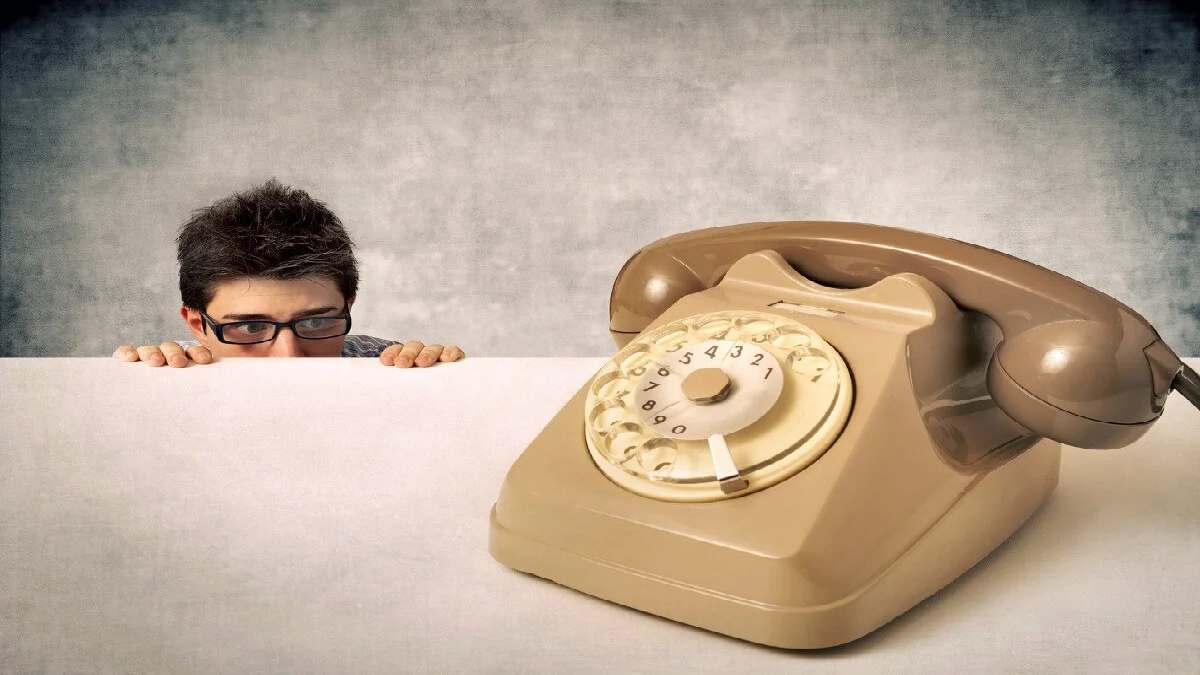
Telephobia is the fear of making or receiving a phone call. It is one of the modern illnesses, along with nomophobia (the fear of being without a telephone). To a large extent, this disorder has arisen because messengers have replaced real communication for us, resulting in a fear of making or receiving phone calls. Agree, finding out something bad by getting a notification from WhatsApp or our Telegram chat is not as scary as hearing it in person and right now.
After all, on WhatsApp, you can delay your reply by disabling the read report, something you can’t do in a face-to-face conversation. Too bad times have changed: we now only keep a negative scenario in our minds, excluding the fact that we might be getting a good call. Fear of phone calls is also due to professional deformation: let’s assume that work involves a huge number of calls – in our spare time we simply want a break from them, just like from chatting.
Why are people afraid to talk on the phone?
I have long noticed that among my acquaintances there are many people who categorically avoid talking on the phone. During an incoming call, guys stare at the screen for a long time, think three times, but still wait to reset. You will say that there is nothing wrong with that, you just don’t want to talk and that’s it.
But such people try not to call themselves, we already told you about it in our Yandex.Zen: the maximum they can do is a voice message. Such a telephobia prevents not only from answering any phone call – the fear comes from the expectation of hearing something negative because nowadays people rarely call without a reason. Add to this the fact that a huge proportion of incoming calls are endless spam from operators, shops, clinics and all sorts of surveys. In general, it is possible to understand why you don’t want to pick up the phone, too.
Fear of phone calls can be compared to the fear of public speaking, only, in this case, it’s much easier – you pick up the phone and dial. You won’t be watched by onlookers and you’re allowed to be nervous – no one will see it anyway. But the fear is there.
Those who start working as an operator or, say, a sales manager, go through it: in my experience, I can say that calling unfamiliar people to ask their opinion about the quality of services provided is much scarier than asking them personally – who knows how they will react to a sudden call? He might swear and then give you a dirty look.
Here are some more resons:
- Fear of being judged or criticized in real time, a core element of social anxiety.
- Lack of non-verbal cues (tone can be misinterpreted in texts, but calls feel exposing without facial expressions).
- Rising spam and robocalls, which condition people to associate ringing with irritation.
- Generational trends: Gen Z and millennials, shaped by text-heavy platforms and remote work, show higher rates—studies indicate 59–90% of young adults experience some phone-related dread.
- Past negative experiences or broader digital stress from excessive screen time.
How to fight telephobia
This is one of the problems with which you need to fight only with your own efforts. But nothing is impossible – phone calls are still an integral part of our lives, we’ll get rid of them soon.
- Identify for yourself exactly what scares you when you try to call someone.
- Be aware of the damage you’ll do if the tone of the call is negative: it’s okay to be rude – alas, it happens
- If you know the person, try to act as you would normally do when meeting them in person
- For business conversations do not be afraid to use scripts – yes, they sometimes work and are very helpful in unforeseen situations
- Have a piece of paper and pencil handy – scribbling or doodling is very useful when you’re feeling nervous – all the stress stays on the paper
- Don’t be afraid to mute your microphone during a conversation to respond to negative reactions
- Try to talk when you are not distracted by anything. Eating while you’re talking or simply drinking coffee is not only inappropriate but also uncomfortable.
Now, move to some more helpful advice:
- Start small: Practice short, low-stakes calls (e.g., ordering food or asking a quick question) to build confidence gradually.
- Use preparation tools: Jot down key points beforehand or rehearse with a friend.
- Leverage technology positively: Apps with call transcription or AI assistants can reduce pressure in some scenarios.
- Seek professional help if severe: Cognitive Behavioral Therapy (CBT) is highly effective for social anxiety-related telephobia.
- Consider training: Some colleges and workplaces now offer “telephobia courses” or communication coaching for Gen Z to rebuild real-time skills.
- Remind yourself: Most calls are neutral or positive—challenge the automatic negative assumption.
Why calling is better than writing.
Say you’re ready to hit “send” on your messenger. Think about it: There’s nothing wrong with talking in person if the situation allows. From the outside, your text may seem serious, serious, perhaps even threatening. Imagine the tone with which your recipient will read it. First, it can take a long time before a reply is received. Secondly, text messages are impersonal – even a simple ‘hello’ without an emoji can look creepy.
It all depends on how you communicate in person. Plus, even a phone call without an emoji can not only help you resolve an issue more quickly but also help you have an interesting time.
With the advancement of technology, phobias have arrived: telephobia is an unpleasant thing, but it can be dealt with. There’s nothing wrong with making phone calls. Just stop thinking it’s exotic in 2021. Don’t be afraid to call – hearing from a loved one is always more pleasant than receiving a faceless text on a messenger.
Telephobia in 2026: A Manageable Modern Challenge
While digital habits have made text communication dominant, phone calls offer clarity, empathy, and connection that messages often lack.
With rising awareness—backed by studies showing higher prevalence among youth—many are successfully overcoming telephobia through gradual exposure and mindset shifts. You are not alone, and small steps can restore comfort with this essential skill.