Is FMovies legal in the USA?
The question of whether FMovies is legal in the USA touches on a common dilemma many face when they seek free entertainment online. You might have stumbled across FMovies—or one of its mirror sites—while you searched for the latest blockbuster or a binge-worthy series without a subscription fee.
At first glance, it seems quite convenient. There is no sign-up required, no credit card needed, and you get instant access to a vast library. However, beneath that ease lies a complex web of copyright law, enforcement actions, and real-world risks.
We have seen similar sites rise and fall over the years. Often, they disappear amid headlines about shutdowns and arrests. Understanding the full picture therefore helps you make informed choices about what you stream and why it matters.
What Is FMovies?
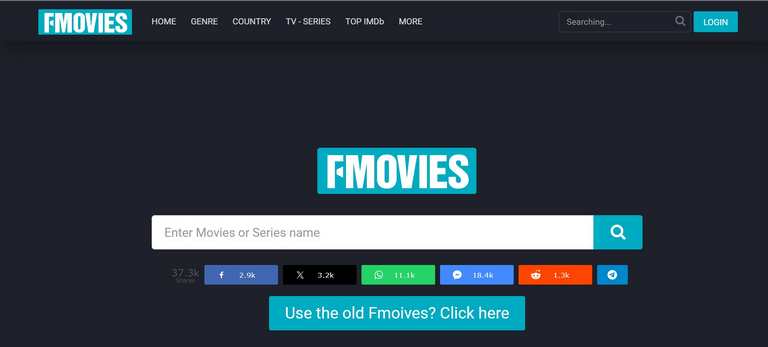
FMovies launched around 2016 as a free streaming platform that offered movies and TV shows. It provided embedded links to content hosted elsewhere. This setup allowed users to watch videos without downloading files directly to their devices. The site gained massive popularity. It drew hundreds of millions of visits each month at its peak.
In addition, the platform operated through multiple domains, such as fmoviesz.to or similar variations. It frequently changed addresses to evade blocks.
The site featured recent releases, classics, and international titles. Many appeared shortly after their theatrical or official streaming debuts. Users could browse by genre, year, or IMDb ratings. On some versions, minimal ads interrupted the experience.
Nevertheless, FMovies never obtained licenses from studios or content owners. Instead, it aggregated unauthorized copies of copyrighted material. This model therefore mirrored other piracy-linked sites like 123movies or Putlocker.
The Legal Status of FMovies in the United States
FMovies itself is not legal in the USA. The site and its operators have faced repeated accusations of facilitating widespread copyright infringement.
For instance, U.S. authorities listed it as a “notorious market” in reports from the Office of the United States Trade Representative. They placed it alongside platforms like The Pirate Bay.
Furthermore, the Motion Picture Association (MPA) and the Alliance for Creativity and Entertainment (ACE) repeatedly flagged FMovies for piracy. In December 2023, during a U.S. House Judiciary Subcommittee hearing, experts urged stronger measures against such sites. They even suggested potential ISP-level blocks in the USA.
More significantly, in August 2024, Vietnamese authorities worked with ACE to shut down FMovies and affiliated sites. These included bflixz, flixtorz, movies7, myflixer, and aniwave.
Hanoi police arrested two individuals linked to the operation. ACE described it as one of the largest takedowns in piracy history. The network had attracted over 6.7 billion visits from January 2023 to June 2024.
Even before the shutdown, courts and regulators viewed FMovies as infringing on exclusive rights under U.S. copyright law.
These rights include reproduction, distribution, and public performance of protected works. Although mirror sites and proxies have reappeared in subsequent years—such as fmovies.to or fmovies.ps reported as active in 2026—the core operation remains unauthorized and illegal.
U.S. Copyright Law Basics Relevant to Streaming
U.S. copyright law, primarily under Title 17 of the United States Code, grants creators exclusive rights over their works for a limited time. This includes the right to reproduce, distribute, and publicly perform or display the material.
Streaming copyrighted content without permission therefore implicates the public performance right. The 2020 Protecting Lawful Streaming Act closed a prior loophole. It treats unauthorized streaming for commercial gain as a felony. As a result, it aligns such acts with reproduction and distribution violations.
For site operators like those behind FMovies, violations often lead to civil lawsuits for damages or criminal charges if willful and for profit. Penalties can include fines up to $150,000 per infringed work in civil cases. They can also include up to 5 years imprisonment for felony-level criminal infringement under 18 U.S.C. § 2319.
Individual users, however, face a different landscape. Simply watching a stream—even of unauthorized content—rarely results in direct prosecution in the USA. Enforcement focuses on uploaders, hosts, and large-scale distributors rather than passive viewers.
Some older analyses suggested streaming might qualify as fair use in private, non-commercial settings. However, courts have not broadly endorsed this for pirated sources. The act of streaming creates a temporary copy in your device’s buffer.
This potentially implicates reproduction rights. Still, this remains a gray area with limited precedent against casual users. Downloading pirated content, by contrast, carries clearer risks. It involves a permanent copy and distribution elements if shared.
Risks for Users Accessing FMovies in the USA
While it is unlikely that you would face criminal charges for casual viewing, several practical risks persist.
Security threats top the list. FMovies and similar sites often bundle intrusive ads, pop-ups, and redirects. These can lead to malware, phishing, or ransomware. Cybersecurity firms like Trend Micro have warned that such platforms expose users to harmful software.
Moreover, your ISP may track activity. Some copyright holders send settlement demands through ISPs when they detect infringement. However, this more commonly targets torrent users than streamers.
Access issues also arise from blocks. Certain U.S. ISPs restrict known piracy domains. Search engines like Google have delisted FMovies early on.
Mirror sites proliferate post-shutdown. Yet they carry the same issues. Often, different groups operate them with varying reliability. As a result, even if a proxy appears functional in 2026, the underlying infringement and associated dangers remain unchanged.
How FMovies Compares to Legal Alternatives
Legal platforms provide licensed content. In this way, they support creators through subscriptions or ads.
| Platform | Cost Model | Content Library | Legality in USA | Key Benefits |
|---|---|---|---|---|
| Netflix | Subscription ($6.99–$22.99/mo) | Originals + licensed films/TV | Fully legal | Ad-free options, offline downloads |
| Hulu | Subscription + ads or ad-free | Current TV episodes, movies | Fully legal | Next-day TV availability |
| Disney+ | Subscription ($7.99–$13.99/mo) | Disney, Marvel, Star Wars | Fully legal | Family-friendly, bundles available |
| Tubi | Free with ads | Movies, classic TV, originals | Fully legal | No subscription needed |
| Pluto TV | Free with ads | Live channels + on-demand | Fully legal | Cable-like experience |
| Crackle | Free with ads | Sony-owned films/TV | Fully legal | Simple interface |
| FMovies (mirrors) | Free (unauthorized) | Recent releases, broad selection | Illegal | No cost, but high risks |
Legal free options like Tubi or Pluto TV rely on ad revenue and licensing agreements. This ensures compliance.
Paid services, in turn, invest in quality, updates, and features like 4K streaming or multiple profiles.
Why Piracy Persists Despite Enforcement
High-quality free access draws users. This happens especially during economic pressures or when official releases lag in availability.
Enforcement challenges include offshore operations. FMovies was linked to Vietnam, for example. Domain hopping adds to the difficulty.
Industry groups like ACE and MPA push for international cooperation. They seek domain seizures and payment processor blocks to disrupt revenue.
Recent actions, including the 2024 FMovies shutdown and subsequent efforts against similar networks, demonstrate increasing effectiveness.
Still, new sites or revived mirrors emerge quickly. This fragments the landscape.
Practical Advice for Safe and Legal Viewing
You can enjoy movies without legal or security worries by sticking to verified platforms. Start with free ad-supported services if budget is a concern.
In addition, use antivirus software and ad blockers for extra protection. Do this even on legitimate sites.
Check regional availability. Some content varies by location due to licensing.
Support creators when possible. Subscriptions fund new productions.
If you encounter demands from copyright holders or ISPs, consult an attorney promptly. Most stem from automated detection rather than targeted pursuit of individuals.
The landscape evolves, but the core principle remains. Unauthorized platforms like FMovies violate copyright and expose you to unnecessary risks. Opting for legal paths therefore ensures peace of mind. It also contributes to a sustainable entertainment ecosystem.
Frequently Asked Questions
No, FMovies and its mirror sites are not legal in the USA. They distribute copyrighted movies and television shows without any authorization from content owners. This practice directly violates U.S. copyright law under Title 17, which protects rights of reproduction, distribution, and public performance. U.S. authorities have consistently classified FMovies as a notorious market for piracy.
The primary FMovies network was shut down in August 2024 by Vietnamese authorities in cooperation with the Alliance for Creativity and Entertainment. Despite that takedown, various mirror sites and proxy domains continue to appear and function in 2026. However, these mirrors remain unauthorized and illegal under U.S. law.
Yes, watching unauthorized streams on FMovies is considered copyright infringement because it involves the public performance of protected works without permission. That said, enforcement in the United States rarely focuses on individual casual viewers. Authorities and rights holders concentrate their efforts on site operators, uploaders, and large-scale distributors. The 2020 Protecting Lawful Streaming Act mainly targets commercial-level violations rather than personal, non-commercial viewing.
Users who access FMovies or its mirrors face several serious risks. The sites frequently contain intrusive advertisements, pop-ups, and redirects that can deliver malware, phishing attacks, or ransomware. Internet service providers may monitor traffic and, in some cases, copyright holders send settlement demands after detecting infringement. Reliable access is often disrupted by ISP-level domain blocks and search engine delistings. These security and legal concerns persist even when using mirror versions of the site.
Yes, several legal and fully licensed platforms offer free, ad-supported streaming of movies and television shows. Services such as Tubi, Pluto TV, Crackle, and The Roku Channel provide safe access to a wide range of content. They operate under proper licensing agreements and comply with copyright regulations, giving viewers a reliable alternative without the risks associated with unauthorized sites.
Many people continue searching for FMovies because it provides free access to recent releases and an extensive library without requiring any subscription fees. Economic pressures, regional delays in official releases, and the convenience of instant streaming contribute to its ongoing popularity. Even so, modern legal alternatives now deliver comparable libraries with significantly better safety and reliability.
No, using a VPN does not make FMovies legal, nor does it eliminate the copyright infringement that occurs. While a VPN can hide activity from an Internet service provider or help bypass domain restrictions, it does not remove the risks of malware, unreliable streams, or potential civil liability from rights holders. VPNs are most appropriately used to enhance privacy when accessing legitimate, licensed services rather than infringing platforms.