
Learn how to write engaging articles with your topics multiple stories, using simple tips, diverse perspectives, and clear structure.
Writing your topics multiple stories creates compelling content. It blends different angles into one narrative. I’ve crafted such articles for years, and I’ll show you how to do it.
In this guide, we offer clear steps to write engaging, reader-friendly, and SEO-optimized articles that captivate your audience.
Also read: Candid Forums
Why Multiple Perspectives Work
Diverse angles make your topics multiple stories richer. Readers get a complete view, staying engaged. For example, a climate change article can cover science, personal experiences, and policy debates. This builds trust and shows thorough research.
Multiple perspectives boost engagement. People connect with stories that reflect or challenge their views. By exploring your topics multiple stories, you spark curiosity. It feels like a conversation where all voices matter.
Search engines favor diverse content. Multiple angles naturally include more keywords, improving rankings. Readers stay longer, reducing bounce rates.
This makes your article more visible and impactful.
Selecting a Strong Topic
Choose a topic that excites your audience. Think about their interests—tech, health, or social issues. For 2025, remote work is a timely choice. Ensure it’s relevant to keep readers hooked.
Pick a topic with depth. It should allow multiple viewpoints. Mental health, for instance, can include personal stories, expert insights, and cultural views. Avoid narrow topics with limited angles.
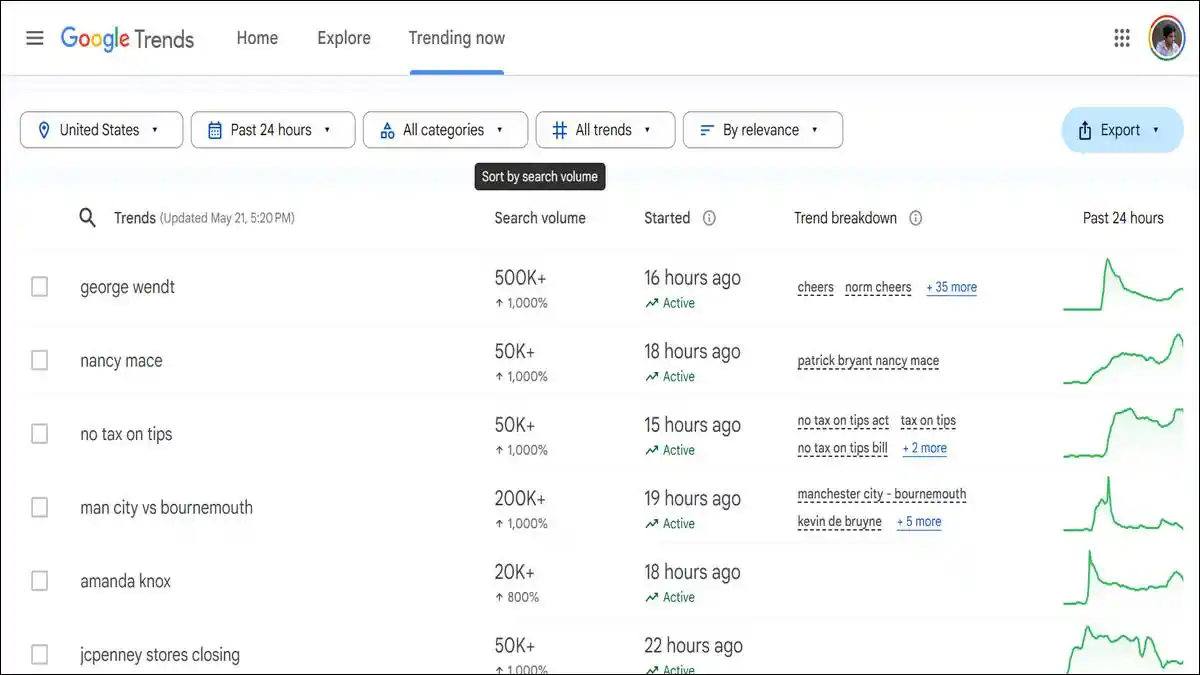
Brainstorm a few ideas. Check Google Trends or social media for what’s popular. This ensures your topics multiple stories resonate with readers and rank well online.
Researching Reliable Sources
Solid research strengthens stories. Use credible sources like Academic journals or news outlets. Google Scholar and The Conversation are great starting points. Avoid unverified blogs or social media posts.

Seek diverse voices. For renewable energy, include scientists, policymakers, and activists. Each offers a unique angle. Organize notes by perspective for easier writing.
Verify facts with at least two sources. I once misquoted a study and had to revise—don’t make that mistake. Reliable sources make your topics multiple stories credible.
Also read: Ourhome2
Structuring Your Article
A clear structure keeps your readable. Start with a hook. Ask a question like, “Can one topic tell a thousand stories?” Then, outline what readers will learn.
Use sections with subheadings. Each should cover one perspective. Keep paragraphs short—three to four sentences.
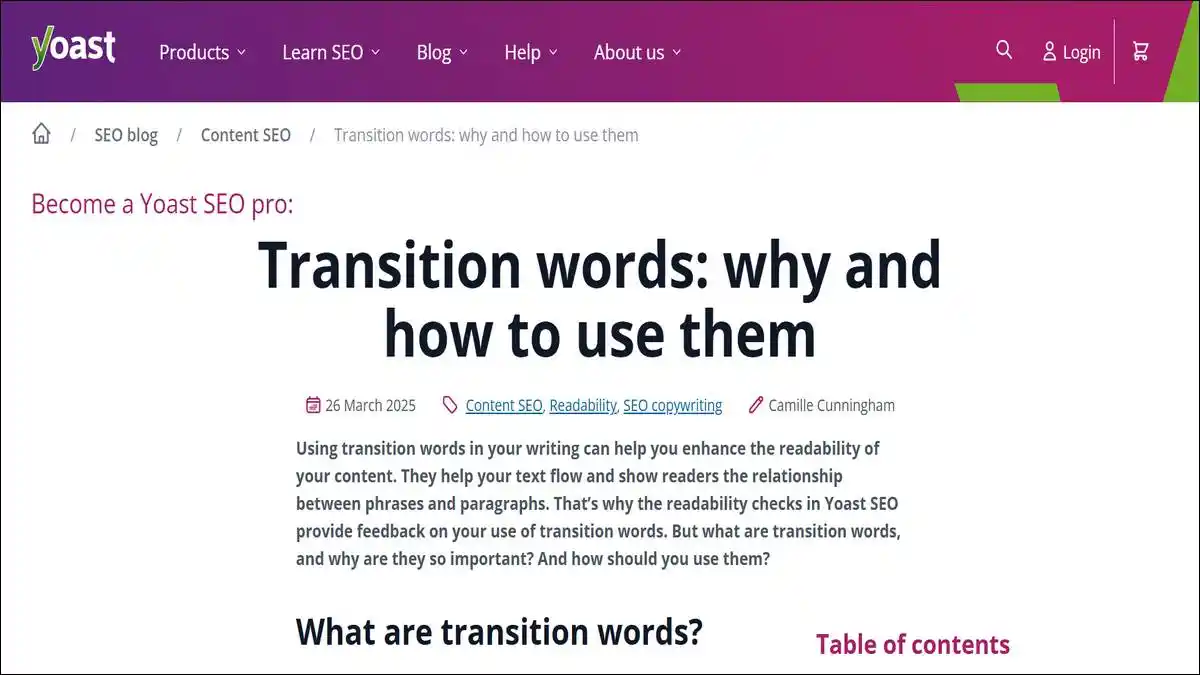
Use transitions like “next” or “however” for smooth flow. You can read this complete guide by Yoast here.
End with a strong conclusion. Summarize key points and offer a takeaway. A clear structure makes your topics multiple stories easy to follow and SEO-friendly.
Writing Conversationally
A conversational tone makes content relatable. Write like you’re talking to a friend. Use “I,” “you,” and “we.” For example, “I love how stories shift perspectives—don’t you?”
Keep sentences simple. Avoid jargon—say “improve” instead of “ameliorate.” Read drafts aloud to catch awkward phrases. A warm tone keeps readers engaged.
Stay professional, not overly casual. Avoid too many exclamations. A balanced tone ensures your stories feel approachable yet authoritative.
Weaving in Multiple Perspectives
Diverse viewpoints make your topics multiple stories stand out. For artificial intelligence, include a tech expert’s optimism, a worker’s concerns, and a consumer’s excitement. This adds depth.
Identify stakeholders. Who’s affected by your topic? For urban farming, include farmers, planners, and residents. Research their views thoroughly.
Use quotes to highlight perspectives. For example, “Dr. Smith says AI speeds diagnoses.” Contrast with, “Worker Jane fears job loss.”
This creates a balanced narrative for your topics multiple stories.
Renewable Energy Comparison Table
For example, you can see the following table:
| Energy Source | Cost per kWh | Efficiency | Environmental Impact |
|---|---|---|---|
| Solar Power | $0.03-$0.06 | 20-25% | Low emissions |
| Wind Power | $0.02-$0.05 | 35-45% | Minimal land use |
| Hydropower | $0.01-$0.04 | 80-90% | Habitat disruption |
Adding Engaging Stories
Stories bring your content to life. They’re relatable and memorable. For food waste, share a chef’s composting story. It connects emotionally with readers.
Include a story for each perspective. A policymaker’s data paired with a farmer’s struggle adds heart. Keep stories short—50 words max—to maintain pace.
Start sections with brief anecdotes. They hook readers before facts.
Stories make your articles resonate emotionally.

Optimizing for SEO
SEO helps your stories reach more readers. Use the keyword naturally—1-2% density, about 20-40 times in 2000 words. Include it in headings and intros.
Add related keywords like “multiple perspectives” or “storytelling tips.” Use meta descriptions and alt text for images. This improves search engine understanding.
Link to credible sources. For example, cite a study from The Conversation. This builds authority and keeps readers engaged, boosting stories visibility.
Editing for Clarity
Editing refines your topics multiple stories. Read drafts aloud to catch clunky sentences. Simplify words—use “use” instead of “utilize.” Short sentences maintain engagement.
Ensure logical flow. Each paragraph should connect smoothly. Use transitions like “also” or “however.” This keeps readers moving through the article.
Get feedback from a friend. Fresh eyes spot errors. A polished article ensures your multiple stories leave a strong impression.
Balancing Perspectives
Fairness is crucial in your content stories. Don’t favor one viewpoint. For veganism, include a nutritionist’s benefits and a farmer’s challenges. This respects all sides.
Address counterarguments. For example, “Some say veganism is unsustainable, but studies show…” This builds trust and empowers readers.
List pros and cons for each perspective. This keeps stories neutral and credible, encouraging informed opinions.

Engaging Different Audiences
Consider your audience’s diversity when writing your topics multiple stories. A tech article might attract engineers, managers, and consumers. Tailor perspectives to their interests.
For engineers, include technical details. For consumers, focus on practical benefits. This ensures your article resonates with varied readers.
Research audience needs. Social media or forums like Reddit reveal what people care about. This makes your topics multiple stories relevant and engaging.
Using Visuals Wisely
Visuals enhance your topics multiple stories. Charts or infographics clarify data, like renewable energy stats. They break up text and keep readers interested.
Use visuals sparingly—one or two per article. Ensure they’re relevant and simple. Alt text for images boosts SEO and accessibility.
Create visuals that complement your narrative. For example, a graph showing AI adoption trends supports your points. This strengthens your story.
Building Reader Trust
Trust is vital for your topics multiple stories. Be transparent about sources. Cite reputable ones like Pew Research or academic journals. This shows you’ve done your homework.
Avoid exaggeration. Stick to verified facts. If discussing AI, don’t claim it solves everything—acknowledge limitations. This keeps your article credible.
Engage readers with honesty. Admit when a topic is complex or uncertain. Trust makes your topics multiple stories resonate and encourages repeat readership.
Also read: Why Kingxomiz is the Platform for Your First Blog

Encouraging Reader Action
Inspire readers to act after reading stories, and articles. Suggest practical steps. For a sustainability article, recommend reducing waste or supporting green brands.
Keep suggestions simple. For example, “Try composting at home.” This feels achievable and empowers readers to apply your insights.
End with a call to explore more. Invite them to comment or share their own stories. This builds community around your topics, and articles.
Final Thoughts
Writing your topics multiple stories is about connection. You share knowledge while inviting readers into a dialogue. Use diverse perspectives, simple language, and clear structure.
Tables and stories add depth. With practice, you’ll create articles that inform, engage, and rank well. Start crafting your articles today—your readers are waiting!
FAQ
Your topics multiple stories means writing articles that explore a topic from different angles. It includes various perspectives, like expert opinions or personal experiences. This makes your content engaging and informative.
Multiple perspectives make your topics multiple stories richer. They keep readers interested by showing a full picture. Plus, diverse angles improve SEO by including more keywords.
Pick a topic your audience cares about, like health or tech. Ensure it has depth for multiple viewpoints. Check trends on Google or social media for relevance.
Use short sentences and paragraphs. Write conversationally with “I,” “you,” and “we.” Add subheadings every 200-300 words. This makes your content easy to read.
Use credible sources like journals or news outlets. Seek diverse voices, like experts or everyday people. Verify facts with at least two sources to ensure accuracy.
Use the keyword naturally, about 20-40 times in 2000 words. Include related terms like “storytelling tips.” Add meta descriptions and link to credible sources.