Multporn — How to Keep Our Kids Safe from such Websites
Learn how to protect your kids from Multporn, a site with adult content. This guide offers parents simple steps, like using parental controls and talking openly, to keep children safe online.
The internet is a wonderful place for kids to learn and have fun. However, it also has risks that parents and carers need to address. For instance, Multporn is a website with adult content, such as explicit comics and videos, which is not safe for children. As a result, protecting kids from such sites is crucial.
In this article, we explain what Multporn is, why it’s a concern, and how you can keep your kids safe. By following simple steps, you can feel confident in guiding your children to use the internet safely.
What is Multporn?
Multporn is a website that hosts adult content, including explicit comics, videos, and games. Unfortunately, this content is not suitable for kids. Unlike many platforms, Multporn often lacks strong age checks, making it easy for children to access.
For example, kids might find the site through a simple web search or a link shared on social media or gaming platforms.
Since kids use phones, tablets, and computers regularly, they can stumble upon Multporn without meaning to. Consequently, this exposure can upset or confuse them. By understanding what Multporn is, parents can take the first step toward keeping their kids safe online.
Also read:
- Is Janitor AI Safe for My Kids? A Parent’s Guide
- Is Character AI Safe for Kids? What Parents Must Know
Why It Matters for Parents and Carers
Exposure to adult content, like that on Multporn, can harm children in several ways. According to the American Psychological Association, seeing such material can affect how kids view relationships.
Specifically, it may lead to confusion, anxiety, or unhealthy ideas about behavior. Therefore, parents need to be aware of these risks to protect their children’s emotional well-being.
Here are some key dangers:
- Emotional Harm: Kids may feel scared or ashamed after seeing adult content.
- Wrong Ideas: They might think unhealthy behaviors are normal.
- Online Dangers: Sites like Multporn may attract unsafe people who could contact kids.
- Curiosity: Seeing this content might lead kids to seek out more risky material.
By recognizing these risks, parents and carers can take action to prevent harm and guide kids toward safer online habits.
Understanding the Internet
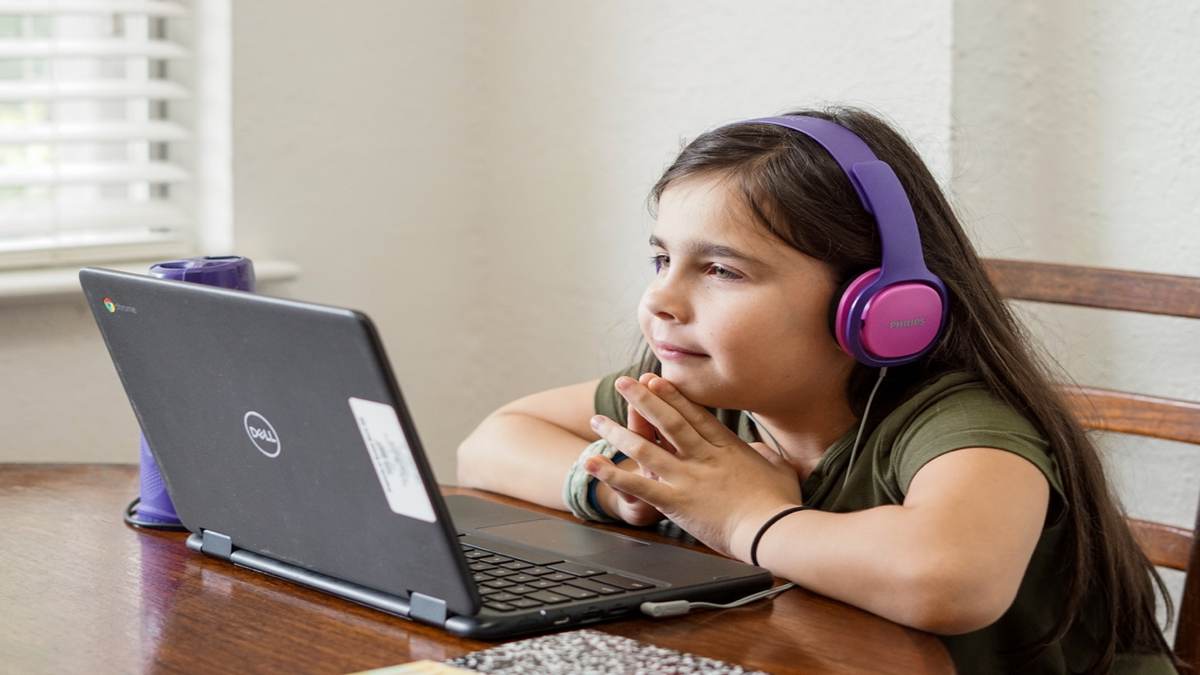
To protect your kids, it’s helpful to think of the internet as a big city. It has safe areas, like educational websites, but also risky ones, like Multporn. Kids can easily wander into these unsafe areas.
For instance, they might click a link in an online game or search for a favorite cartoon and find inappropriate content.
Since children use devices like phones and laptops often, they may explore the internet without supervision. To address this, parents should learn about the apps, games, and websites their kids use.
By doing so, you can spot potential risks early and help your kids navigate the internet safely.
Simple Steps to Keep Kids Safe from websites like Multporn
Fortunately, there are practical ways to protect your kids from sites like Multporn. These steps combine technology, open communication, and staying informed.
Let’s explore each one to ensure your child’s online safety.
1. Use Parental Controls
Parental controls are tools that block harmful websites and monitor online activity. By setting them up, you can prevent access to sites like Multporn.
- Device Settings: Most phones and computers have built-in controls. For example, Apple’s Screen Time or Android’s Family Link can block specific sites.
- Filtering Apps: Apps like Net Nanny or Qustodio block risky sites and track your child’s activity.
- Safe Search: Turn on safe search in browsers like Google to filter out adult content.
- Wi-Fi Controls: Set your home Wi-Fi to block unsafe sites on all devices.
By using these tools, you create a safer online environment for your kids.
2. Talk to Your Kids
Open conversations build trust and help kids stay safe online. When kids feel comfortable talking to you, they’re more likely to share concerns.
- Start Young: Teach young kids to use only approved websites. Encourage them to ask for help if something seems odd.
- Explain Dangers: Use simple examples, like comparing the internet to a park with safe and unsafe areas.
- Set Rules: Make clear rules about allowed sites. Explain what happens if rules are broken.
- Be Open: Let kids know they can talk to you about anything online without getting in trouble.
These talks help kids understand why some sites are off-limits and encourage safe habits.
3. Watch Screen Time
Keeping an eye on how kids use devices helps you spot problems early. By monitoring their activity, you can catch risky behavior before it becomes an issue.
- Check History: Look at their browsing history to see which sites they visit.
- Use Shared Spaces: Have kids use devices in common areas, like the living room, instead of alone.
- Limit Time: Set time limits on devices to reduce unsupervised browsing.
- Pick Safe Apps: Encourage kid-friendly apps, like YouTube Kids or educational games.
Monitoring screen time ensures kids stay in safer parts of the internet.
4. Learn About Technology
Staying updated on technology helps you understand new risks. By keeping informed, you can adapt your approach to protect your kids.
- Know Popular Apps: Learn about apps like Roblox or TikTok, where kids might find risky links.
- Read Tech News: Check websites like Common Sense Media for online safety tips.
- Talk to Other Parents: Share ideas with other parents to learn new ways to keep kids safe.
By staying informed, you can stay one step ahead of potential dangers.
Parental Control Tools
| Tool | Works On | What It Does | Cost | Best For |
|---|---|---|---|---|
| Net Nanny | Phones, Computers | Blocks sites, limits time, reports | Paid | Full monitoring |
| Qustodio | Phones, Computers | Blocks sites, tracks activity | Free & Paid | Detailed reports |
| Norton Family | Phones, Computers | Blocks sites, tracks location | Paid | Multiple devices |
| Screen Time | Apple devices | Blocks apps, sets limits | Free | Apple users |
| Family Link | Android devices | Blocks apps, sets time limits | Free | Android users |
Building Trust with Kids
Talking openly is one of the best ways to keep kids safe. Since children are naturally curious, they might explore risky sites without guidance.
By fostering trust, you encourage them to come to you with questions or concerns.
Make It Safe to Talk
To build trust, create a safe space for conversations.
- Be Kind: Tell kids they can share anything without getting in trouble.
- Don’t Punish: If they admit to seeing something bad, listen calmly instead of getting upset.
- Use Examples: If they visit a site like Multporn, explain why it’s not okay in a gentle way.
These steps help kids feel comfortable talking about their online experiences.
Talk for Their Age
Adjust your talks based on your child’s age to make them effective.
- Young Kids (5-8): Teach them to stick to safe sites. Say, “Only visit places we approve.”
- Preteens (9-12): Discuss keeping things private online. Ask, “What do you do if a link looks weird?”
- Teens (13+): Talk about why some content is harmful. Ask, “How do you know if a site is safe?”
By tailoring conversations, you help kids understand online safety in a way that suits their age.
Talking to Kids by Age
| Age | What to Talk About | Example Questions |
|---|---|---|
| Young Kids | Safe sites, asking for help | “Only visit fun sites we pick, okay?” |
| Preteens | Privacy, avoiding bad links | “What do you do if a game has a link?” |
| Teens | Thinking smart, long-term effects | “How can you tell if a site is safe?” |
Spotting Problems
Even with careful steps, kids might see inappropriate content. By watching for warning signs, you can address issues quickly and effectively.
- Behavior Changes: Notice if your child seems worried, secretive, or upset.
- Strange Searches: Check for searches about adult topics or unfamiliar sites.
- Hidden Device Use: Look for late-night or private device use, which might mean they’re hiding something.
- Avoiding You: Be aware if they stop talking about their online activities.
If you see these signs, stay calm. For example, ask, “I noticed you’re online a lot. Want to talk about it?” This approach encourages kids to open up without feeling judged.
Legal and Ethical Issues
It’s important to know that letting kids access adult content can be against the law in many places. Sites like Multporn may not follow rules about age checks, which puts kids at risk.
As a result, parents have a responsibility to keep their kids away from these sites.
At the same time, you should respect your child’s privacy. Checking their browsing history is okay, but too much monitoring can harm trust. By finding a balance, you can keep kids safe while showing you respect them.
Also read: How StateKaidz.com Makes Learning Fun for Kids

Working with Schools and Others
Protecting kids online is easier when you work with others. Schools and communities can support your efforts and share helpful resources.
- Talk to Schools: Many schools teach kids about online safety. Ask about their programs or workshops.
- Join Parent Groups: Connect with other parents to share tips and learn new strategies.
- Spread Awareness: Encourage community leaders to promote online safety through events or campaigns.
By teaming up, you can create a stronger safety net for all kids.
Also read:
Final Thoughts!
Keeping kids safe from sites like Multporn takes effort, but it’s worth it. Start by using parental controls to block risky sites. Next, talk to your kids about staying safe online.
Also, monitor their device use and stay informed about technology. By building trust and working with others, you can guide your kids to use the internet safely.
Take action today—set up controls, start a conversation, and create a safer online world for your children.