How Logistics Has Shifted From Manual Calls To Smart Matching
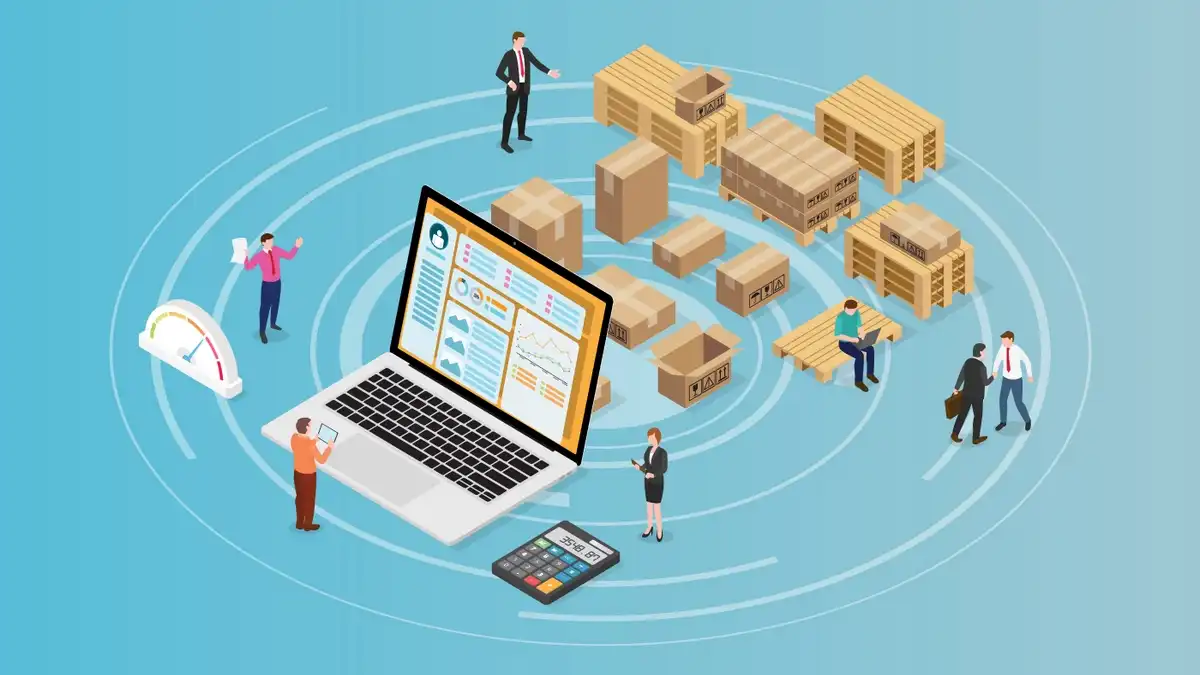
The logistics industry has undergone a remarkable transformation over the past few decades. What was once a landscape dominated by manual phone calls, paperwork, and guesswork is now becoming a data-driven environment powered by technology. At the heart of this transformation is a shift from manual processes to smart matching systems that connect customers with the right transport providers efficiently and transparently.
Read on to explore why understanding this shift offers valuable insight into how logistics operates today and how businesses and individuals can benefit from smarter transport solutions.
The Early Days of Logistics
Traditionally, logistics and transport coordination relied heavily on human interaction. A customer with a shipment or vehicle to move would call multiple companies to inquire about availability, pricing, and services. These manual calls involved long conversations and often required multiple follow-ups to confirm quotes or scheduling details.
This approach created several challenges:
- Limited visibility: Customers had no easy way to compare prices or service quality across providers.
- Time-intensive: Making multiple calls and waiting for callbacks slowed down planning and decision-making.
- Inconsistent communication: Important details could be lost in translation or misunderstood through back-and-forth messaging.
For people arranging specialized transport, such as motorcycles, this process was often cumbersome, and finding a reliable and affordable carrier involved persistence and sometimes luck more than clarity.
The Rise of Digital Logistics Platforms
As technology advanced, logistics began adopting digital solutions that streamlined many parts of the transport process. Online platforms emerged that allowed customers to post their transport needs in one place. Algorithms then matched those requests with suitable transport providers based on criteria such as route availability, service type, and price.
This shift introduced several significant improvements:
Smart Matching Improves Efficiency
Smart matching uses data and algorithms to pair customer requests with transport providers who are best suited to fulfill them. Instead of manually checking availability with multiple companies, a customer provides their key details once. The system then identifies providers who meet those requirements, therefore reducing time and effort for both parties.
For instance, customers looking for Essex vehicle transportation can submit their specifics and receive competitive options from carriers experienced in that region. This makes planning faster, more efficient, and far more transparent.
Greater Transparency and Better Choices
Digital platforms typically include reviews, pricing breakdowns, and service descriptions. This transparency empowers customers to compare not only cost but also reliability and past customer experience when making decisions.
Instead of relying on guesswork or limited information, customers can see ratings from previous users, helping them choose with confidence.
Communication and Tracking
Another benefit of smart matching platforms is improved communication. Many systems allow direct messaging between customers and transport providers, enabling a clear exchange of details. Some even include tracking features so users can monitor progress and receive updates in real time.
This level of visibility improves trust and reduces the uncertainty that was common with earlier manual processes.
How Smart Matching Benefits Transport Providers
The logistics shift is not just advantageous for customers. Transport companies and independent carriers also gain significant benefits from smart matching systems:
- Access to a broader pool of customers: Digital platforms can connect providers with jobs they might not have found through traditional channels.
- Reduced administrative load: By automating parts of the quoting and matching process carriers spend less time on paperwork and manual communication.
- Optimized route planning: Platforms can help providers identify load opportunities along existing routes, reducing empty journeys and increasing efficiency.
These benefits can contribute to improved profitability and more predictable workloads for transport providers.
What This Means for the Logistics Landscape
Everything from manual calls to smart matching represents more than just an upgrade in technology. It signifies a fundamental change in how logistics services are accessed, delivered, and evaluated. This evolution supports:
- Faster decision making: Customers spend less time coordinating logistics and more time focusing on core activities.
- Better resource use: Carriers optimize routes and fill capacity more effectively.
- Higher customer satisfaction: Transparency and communication improvements foster trust and reliability.
Logistics is increasingly becoming a coordinated network of intelligent exchanges rather than a collection of isolated interactions. As digital adoption continues, this trend will likely accelerate, bringing innovation to even more segments of the transport industry.
Looking Ahead
The shift from manual calls to smart matching is an ongoing journey. Emerging technologies such as artificial intelligence, machine learning, and real-time tracking promise to further enhance the efficiency and responsiveness of logistics systems.
For individuals and businesses alike, understanding and embracing these changes will be key to staying competitive and making smarter transport decisions. With better tools and smarter systems available today, logistics is no longer just about moving goods; it is about connecting needs to solutions with speed, clarity, and confidence.