Why More People Are Using Dashcams To Reduce Insurance Risks?
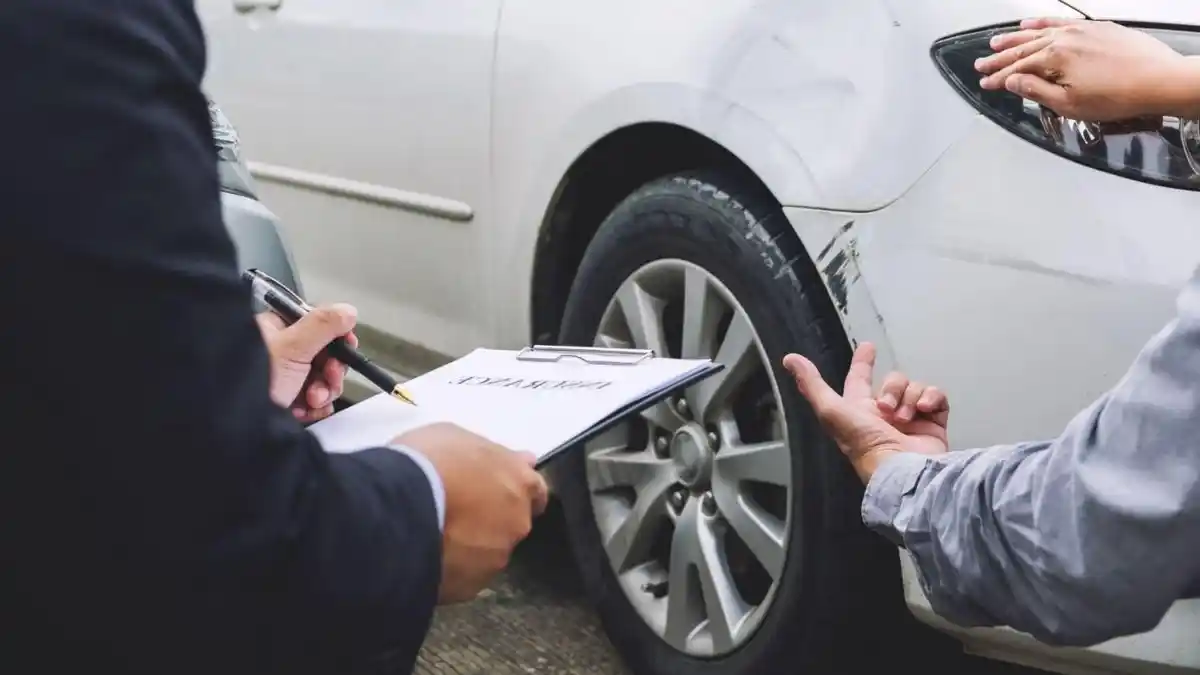
The past ten years have seen a significant rise in road traffic in India, and there has been a growing interest in road safety and claim transparency. A lot of vehicle owners are on the move in search of tools that can provide real-time protection, particularly when handling unpredictable road conditions.
Dashboard cameras, also known as dashcams, have emerged as one of the necessary devices that help policyholders to reinforce their claims on car insurance and defend themselves against unnecessary conflicts. Their constant recording capability has enabled them to be reliable companions of motorists in the state of India.
Why Dashcams Are Becoming Mainstream?
Dashcams had been regarded as optional devices, but their usefulness has transformed them into common safety gadgets. This is mainly because of the transparency they bring when settling the claims. During accidents, a dashcam would remove a number of guesswork, and the insurers have concrete evidence of what and how the damage occurred. This brings in a faster and fairer settlement process.
In most situations, the absence of evidence, the lack of agreement with the other party, or the insufficient clarity at the scene of the accident causes difficulties to the policyholders. The video recorded by a dash camera is an unbiased observer because it assists the driver and the insurer in making the right claims.
Reducing Challenges In Third-Party Liability
Third party insurance is mandatory for all motor vehicles in India. However, disputes in responsibility usually occur when two drivers are involved in an accident. A settlement on such claims can take a long time to investigate and negotiate without evident video evidence.
Dashcams help in:
- Representing unbiased and unbiased evidence
- Preventing incorrect liability
- Supporting insurers in understanding road behaviour at the time of the accident
This means that their financial exposure is minimised, and false accusations are less likely to succeed for policyholders.
Protection Against Fraud and False Claims
Insurance fraud continues to grow in areas such as staged accidents, exaggerated damage reports, or false injury claims. Dashcams act as a preventive tool in such cases. The presence of a camera itself discourages fraudulent behaviour. If something unusual happens on the road, the recorded footage becomes proof that can be reviewed and verified during claim evaluation.
This helps:
- Maintain transparency
- Reduce fraudulent settlements
- Strengthen the policyholder’s defence in suspicious situations
The footage serves as a strong safeguard for both the customer and the insurer.
Supporting Add-on Covers with Clear Evidence
Car insurance today is more comprehensive than ever, thanks to additional covers that enhance protection beyond basic financial reimbursement. Dashcams, while not replacements for policy benefits, complement them effectively.
Example: Roadside Assistance Cover
This add-on offers services such as breakdown support, towing, flat tyre repair, battery assistance, and fuel delivery. If the situation unfolds in a way that requires proof of a breakdown after hitting road debris, the dashcam footage provides insurers with visual verification to support the assistance request.
Example: Return to Invoice Add-on
This cover helps the policyholder receive the full ex-showroom value of the car in case of total loss or theft. If a device is recording the unfortunate event, such as a major collision or a theft attempt, validation becomes smoother and faster.
These integrations show how modern insurance solutions and dashcams work together to simplify claim communication and ensure accurate assessments.
Supporting Anti-Theft Measures
Some insurers may offer an anti-theft discount car insurance benefit when vehicles are equipped with approved security devices. A dashcam, especially one with parking mode and motion detection, supports theft prevention by capturing:
- Window tampering
- Forced entry
- Suspicious movement around the car
Even though not all insurers directly offer discounts for dashcams, their visual proof will reinforce the police reports and insurance claims in case of car theft or damage in a parking place. This stands a better chance of settlement of the policyholder faster and with less ambiguity in the filing.
Improving Driver Awareness and Behaviour
Dashcams not only capture incidents but also influence driving habits. The mere knowledge that the driver is being monitored would make them act responsibly. This promotes:
- Lane discipline
- Speed regulation
- Reduced risky manoeuvres
- Better focus during heavy traffic
In the long term, fewer accidents and improved driving patterns also mean fewer insurance claims. This benefits vehicle owners, insurers, and the larger road environment.
Alignment With Modern Insurance Expectations
Customers today expect faster digital service, quick communication, and simplified processes from their insurers. Dashcams fit well into this evolving customer expectation. When claim evidence is easily available, review time decreases, and settlements can be completed without delays. Insurance providers such as HDFC ERGO, with digital processes already in place, benefit from such clarity in claim documentation.
Conclusion
Dashcams have moved beyond being optional driving accessories to becoming valuable safety assets for vehicle owners. They are now worthwhile safety tools for the car owner. They also enhance financial and operational benefits by ensuring a better understanding of the insurance claims process, in addition to preventing fraudulent transactions and adding on covers.
The role of dashcams will grow stronger as Indian roads continue to evolve and incidents become more complex. They improve accountability and ensure that policyholders receive fair and transparent claim support under their car insurance policies.